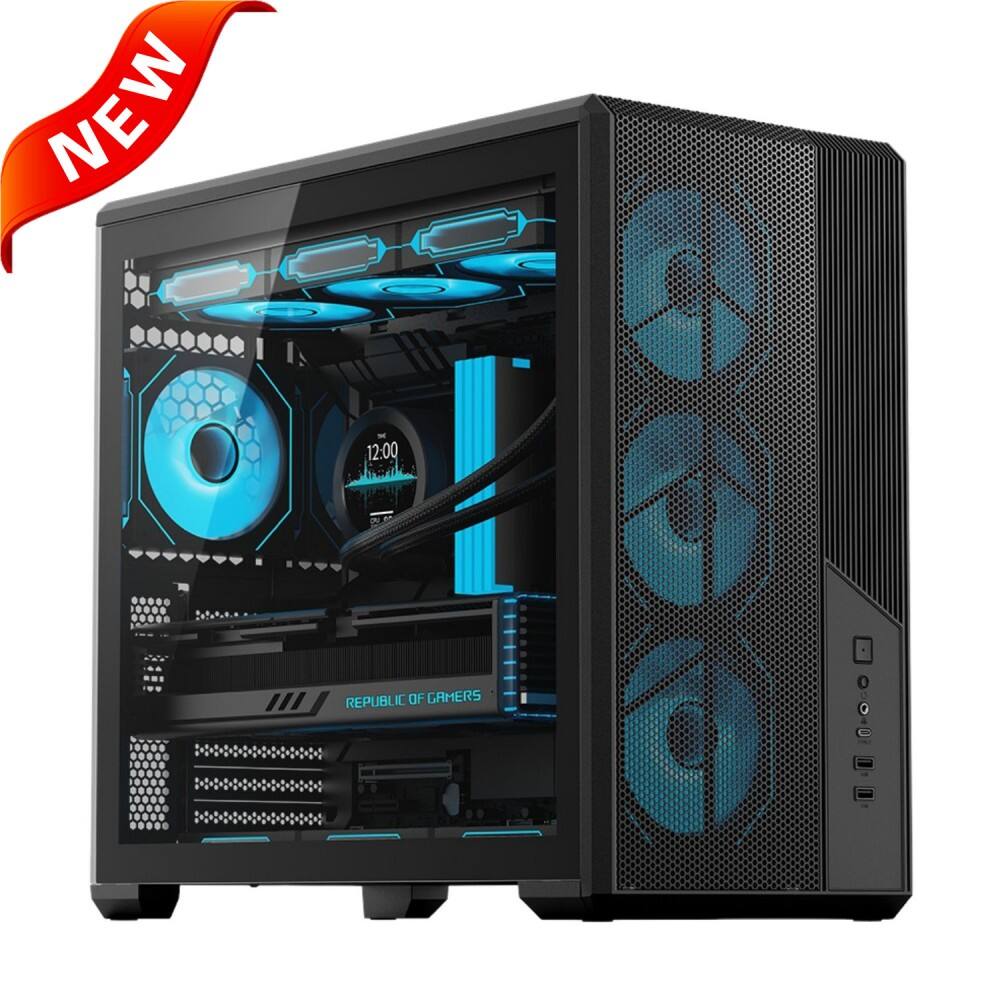
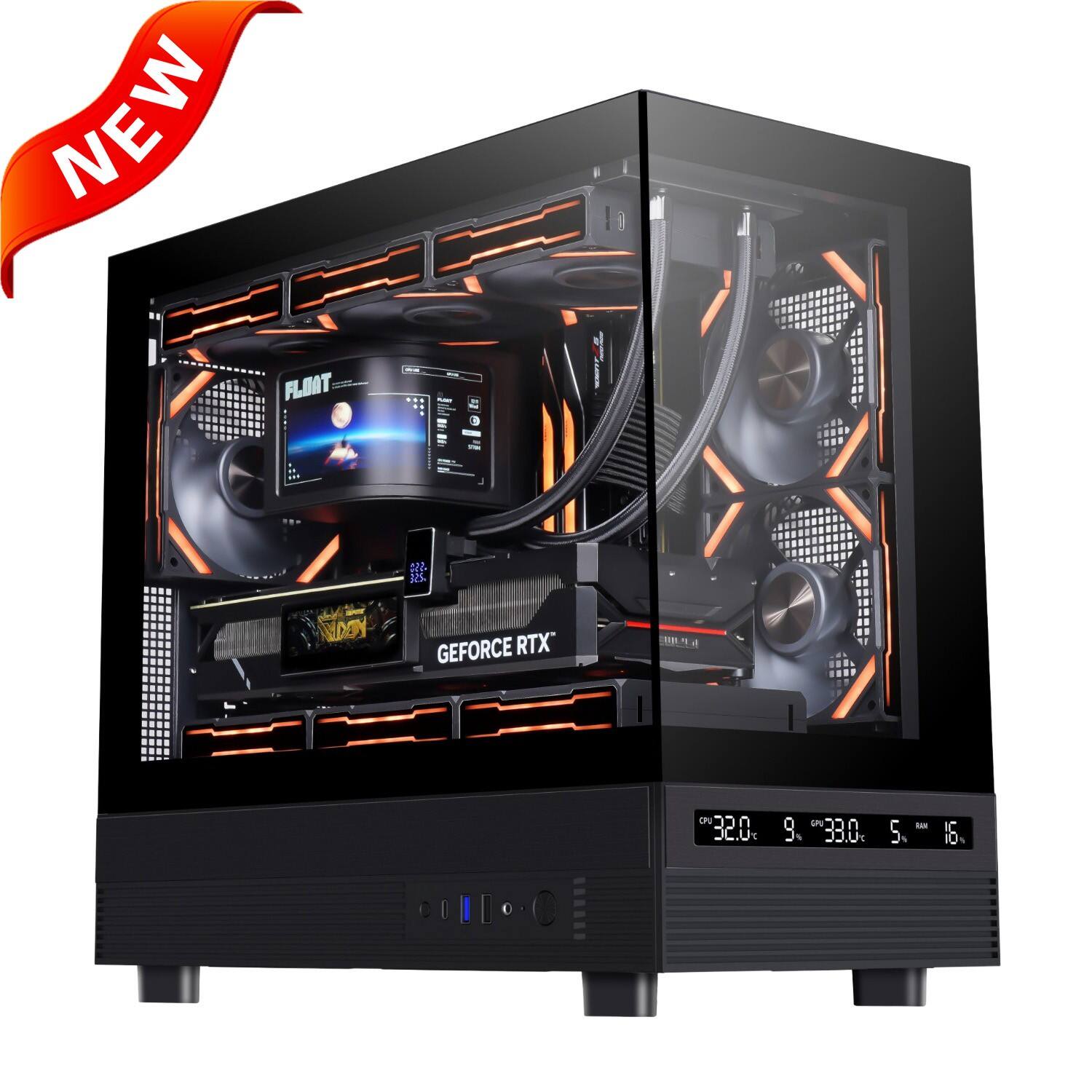
Smallest ATX PC Case: Compact Design with Full-Size Performance and Space-Saving Benefits

Get a Free Quote

Our representative will contact you soon.
Email
Name
Company Name
Message
0/1000

smallest atx pc case

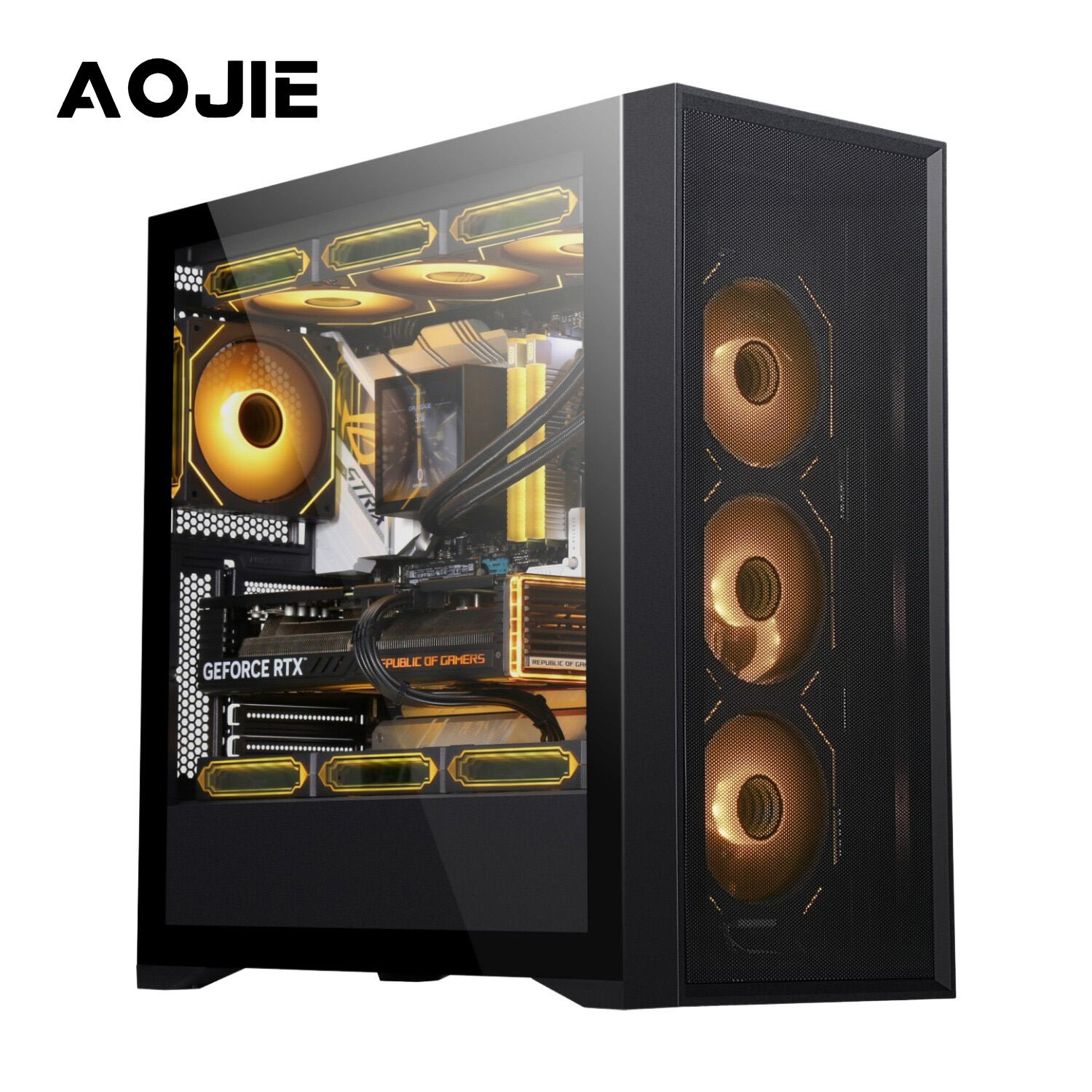
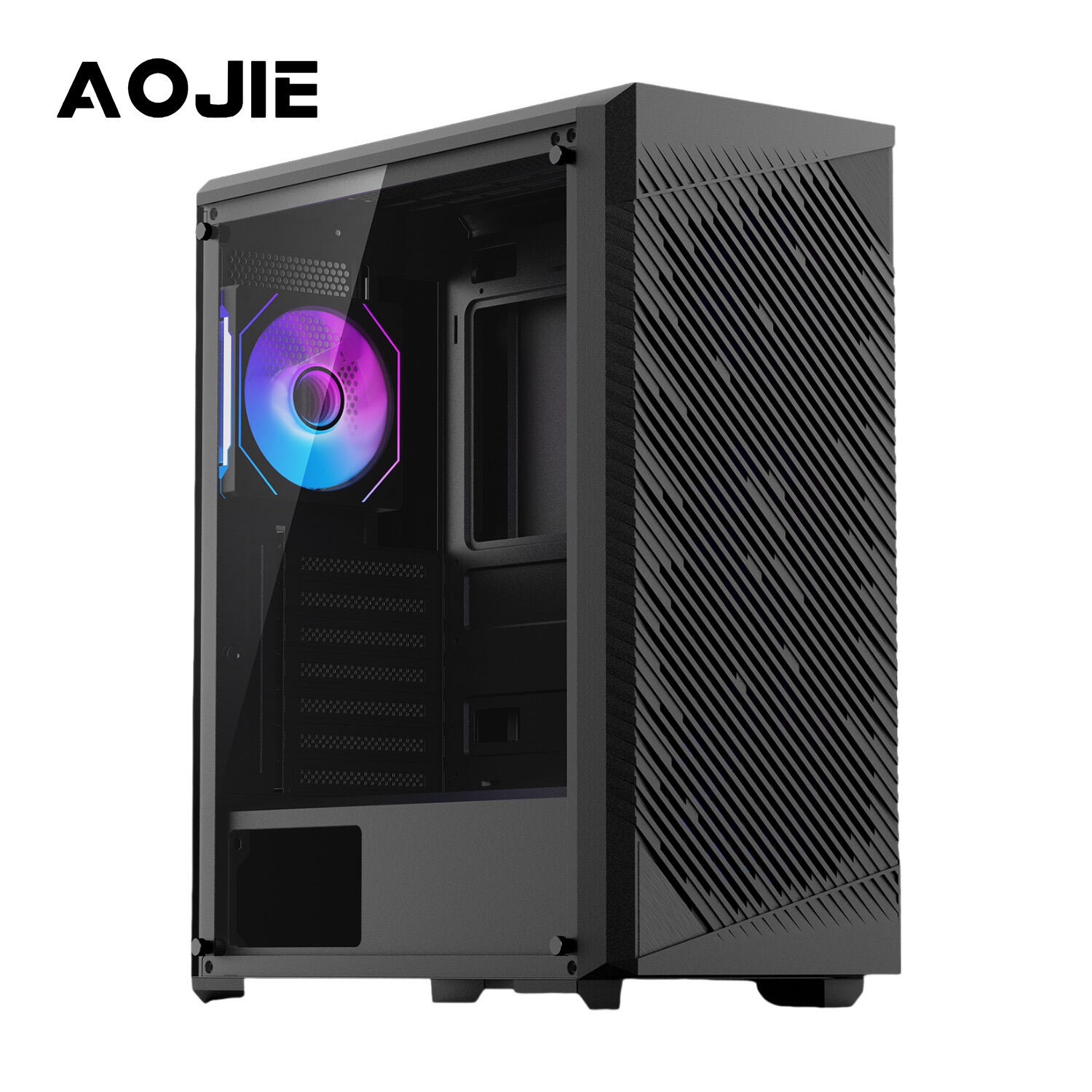
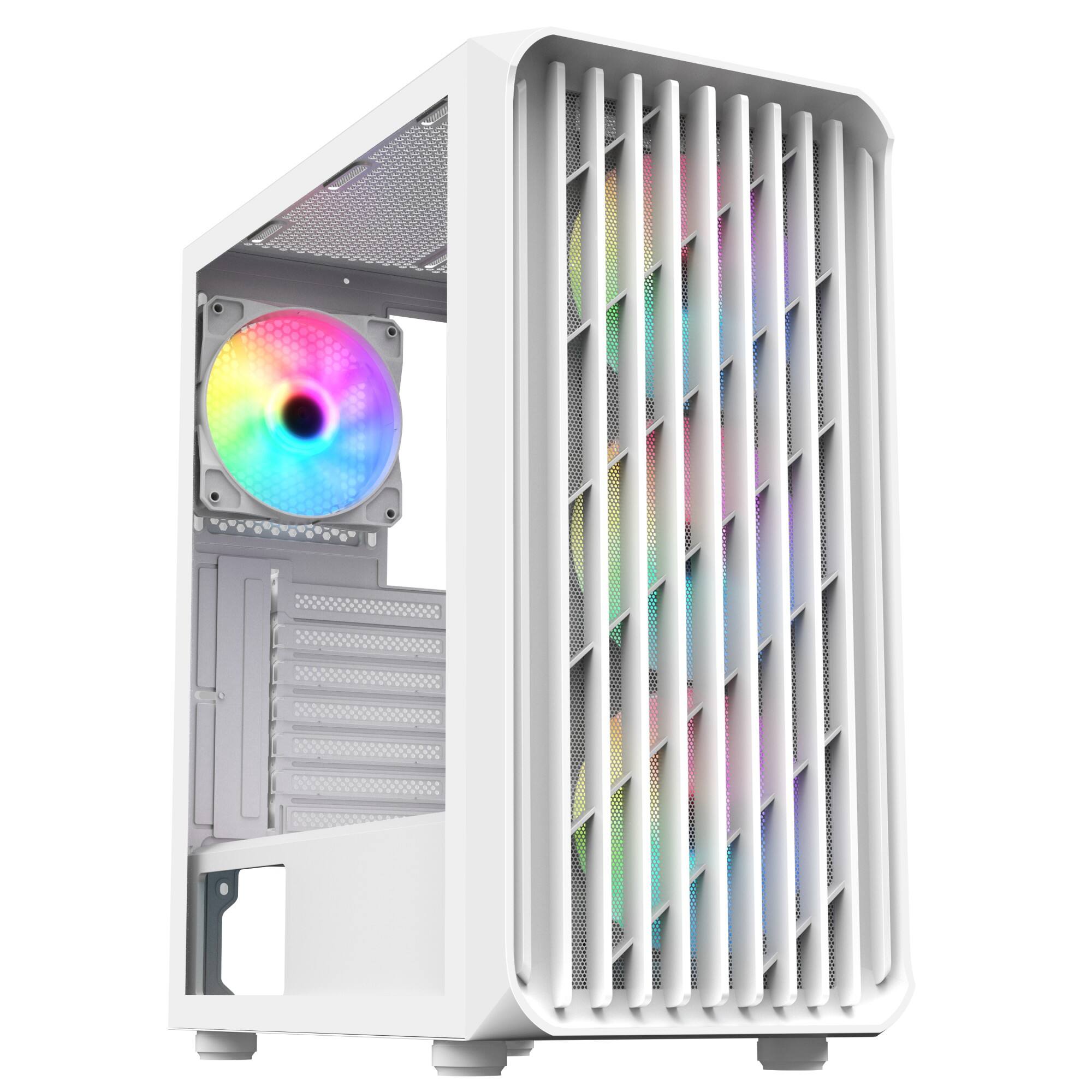
The smallest ATX PC case represents a revolutionary approach to desktop computer housing, combining full-size motherboard compatibility with remarkably compact dimensions. These innovative enclosures typically measure between 15-18 inches in length, 7-9 inches in width, and 12-15 inches in height, making them significantly more space-efficient than traditional tower designs. Despite their reduced footprint, the smallest ATX PC case maintains compatibility with standard ATX motherboards measuring 12 x 9.6 inches, ensuring users can access a wide range of hardware options without sacrificing expandability. The primary function of these cases centers on providing adequate cooling, component protection, and cable management within constrained spatial parameters. Modern iterations incorporate advanced airflow optimization through strategically positioned intake and exhaust points, often featuring multiple 120mm or 140mm fan mounts to maintain optimal operating temperatures. Technological features include tool-free installation mechanisms, modular drive bays, and intelligent cable routing channels that maximize internal space utilization. Many models feature tempered glass side panels, RGB lighting integration, and magnetic dust filters for enhanced aesthetics and maintenance convenience. The smallest ATX PC case serves diverse applications including home office setups, gaming stations in limited spaces, media centers, and professional workstations where desk real estate commands premium value. These cases particularly excel in studio apartments, dormitory rooms, shared workspaces, and modern minimalist environments where traditional tower cases would appear overwhelming. Construction materials typically include steel framework with aluminum accents, providing durability while maintaining lightweight characteristics. Ventilation systems employ positive pressure configurations, drawing cool air through filtered intakes while expelling heated air through dedicated exhaust zones. Component compatibility extends to full-length graphics cards up to 300-350mm, multiple storage drives, and standard power supply units, ensuring performance capabilities remain uncompromised despite the reduced enclosure size.

Popular Products

The smallest ATX PC case delivers exceptional space efficiency without compromising component compatibility, making it the ideal solution for users seeking powerful computing performance in constrained environments. These compact enclosures save up to 60 percent more desk space compared to traditional mid-tower cases, allowing users to create cleaner, more organized workstation setups. The reduced footprint proves particularly beneficial in modern living situations where every square inch matters, from studio apartments to shared office spaces. Users can position their systems on desks, shelves, or entertainment centers without overwhelming the surrounding decor or functionality. Portability represents another significant advantage, as the smallest ATX PC case typically weighs 40-50 percent less than conventional towers, simplifying transportation between locations for LAN parties, temporary workstations, or office relocations. The compact design facilitates easier handling during maintenance procedures, system upgrades, or cleaning routines. Thermal performance often exceeds expectations due to optimized airflow pathways that create more efficient cooling cycles within the confined space. The smaller internal volume means fans can circulate air more effectively, reducing hot spots and maintaining consistent component temperatures. This enhanced cooling efficiency often results in quieter operation, as fans require lower RPMs to achieve desired thermal targets. Cost effectiveness emerges through reduced material requirements during manufacturing, often translating to lower purchase prices while maintaining build quality standards. The smallest ATX PC case also promotes better cable management through dedicated routing channels and shorter cable runs, improving both aesthetics and airflow. Installation procedures become more straightforward due to improved component accessibility and logical internal layouts. Energy efficiency benefits arise from the reduced power requirements of smaller case fans and optimized cooling systems. The compact form factor integrates seamlessly with modern furniture designs, entertainment centers, and minimalist office aesthetics. Users experience improved workspace ergonomics as the smaller footprint allows for better monitor positioning, keyboard placement, and overall desk organization. The concentrated component layout often results in better electromagnetic interference shielding, potentially improving system stability and reducing wireless signal interference.

Practical Tips

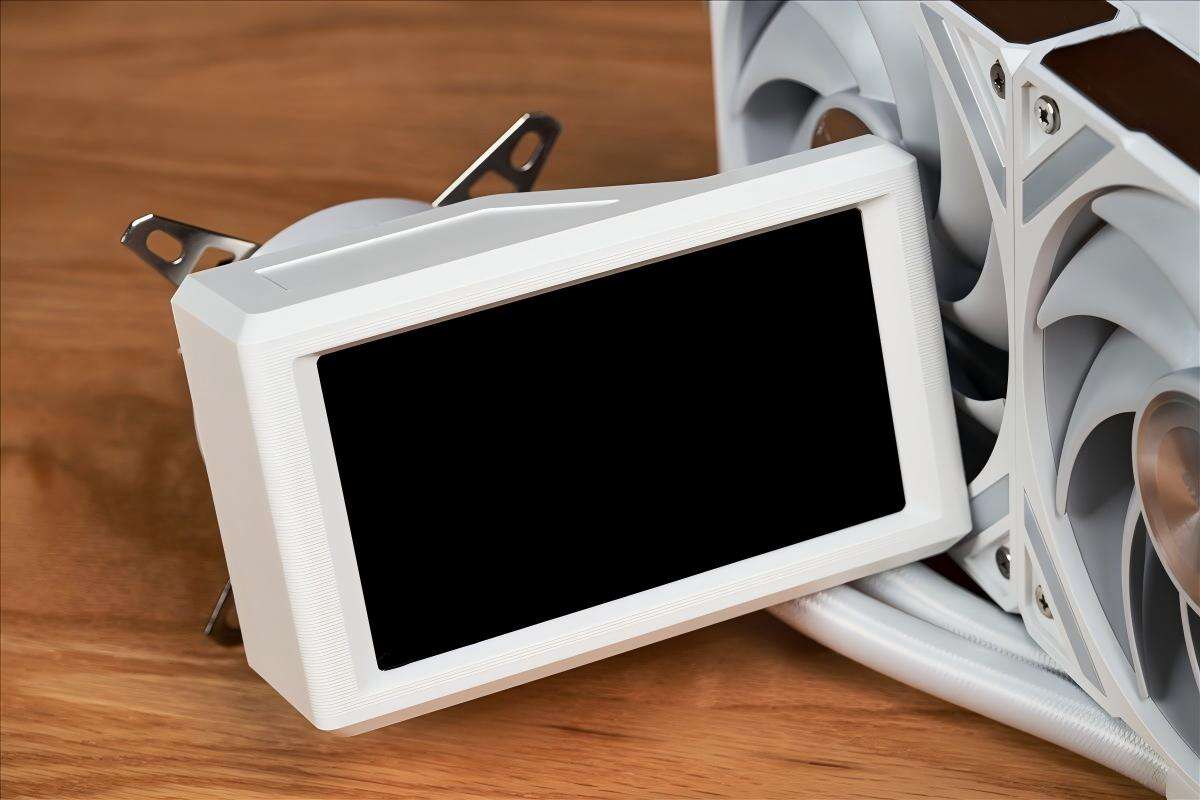
AOJIE YC360-G Display: Redefining AIO Liquid Cooling with a Hidden-Tube Design and a Detachable 5-Inch OLED Screen

05

Feb

AOJIE YC360-G Display: Redefining AIO Liquid Cooling with a Hidden-Tube Design and a Detachable 5-Inch OLED Screen

View More
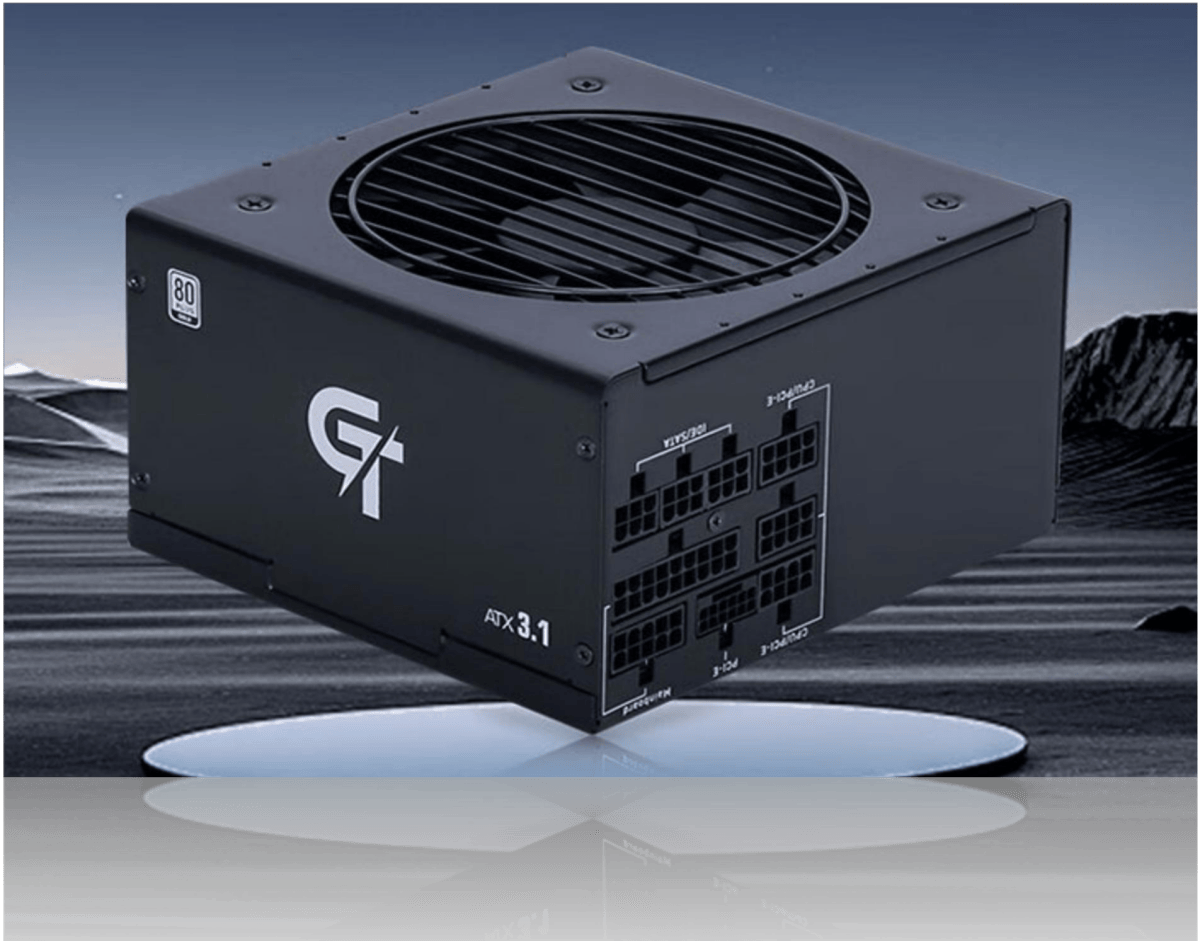
AOJIE Unveils the GT Series Gold Fully Modular Power Supply: Redefining Stability & Efficiency with ATX 3.1 Standard

05

Feb

AOJIE Unveils the GT Series Gold Fully Modular Power Supply: Redefining Stability & Efficiency with ATX 3.1 Standard

View More
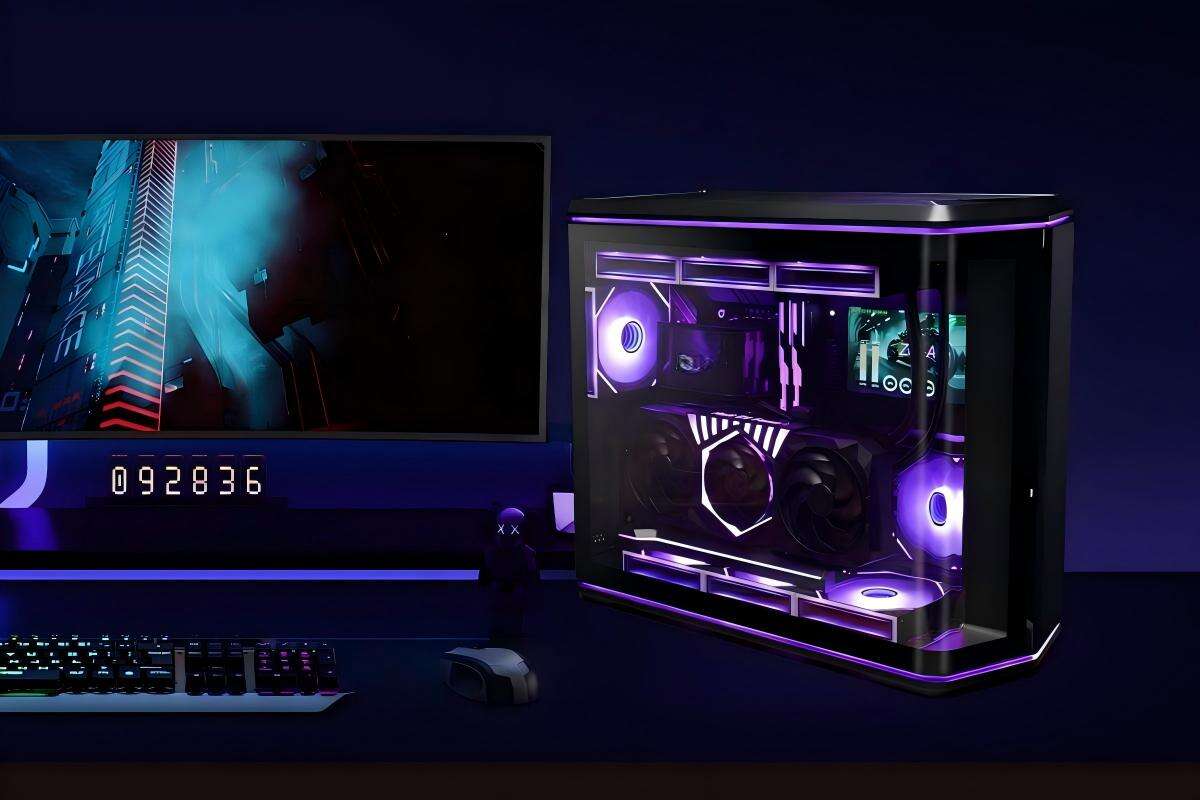
AOJIE Unveils the 235AX Curve: Redefining ATX Aesthetics with an Innovative Curved Glass Gaming PC Case

05

Feb

AOJIE Unveils the 235AX Curve: Redefining ATX Aesthetics with an Innovative Curved Glass Gaming PC Case

View More

Get a Free Quote

Our representative will contact you soon.
Email
Name
Company Name
Message
0/1000

smallest atx pc case

Space-Optimized Design Engineering

Space-Optimized Design Engineering

The smallest ATX PC case showcases revolutionary space-optimized design engineering that maximizes internal component accommodation while minimizing external dimensions through innovative structural approaches. Engineers achieve this remarkable spatial efficiency by reimagining traditional case layouts, implementing vertical motherboard orientations, and utilizing every cubic inch of available space through precision-engineered component placement strategies. The internal architecture employs multi-level design principles, where components stack intelligently without interfering with each other's operational requirements or maintenance accessibility. Drive mounting systems utilize flexible positioning options, allowing storage devices to occupy previously unused spaces behind the motherboard tray or within specially designed compartments that don't impede airflow patterns. Power supply positioning often shifts to unique orientations, sometimes mounted horizontally or in dedicated chambers that optimize weight distribution while maintaining proper ventilation requirements. Cable management solutions integrate seamlessly into the case structure through hidden routing channels, pass-through grommets, and tie-down points that keep wiring organized and away from cooling fans or heat-generating components. The smallest ATX PC case incorporates modular design elements that allow users to customize internal configurations based on their specific hardware requirements, whether prioritizing graphics card clearance, storage capacity, or cooling performance. Expansion slot accessibility receives special attention, with reinforced mounting points and strategic positioning that accommodates full-length expansion cards without compromising structural integrity or thermal performance. The engineering excellence extends to material selection, where manufacturers choose lightweight yet durable alloys that provide adequate electromagnetic shielding while contributing to the overall portability advantage. Ventilation engineering employs computational fluid dynamics modeling to ensure optimal airflow patterns throughout the compressed internal volume, preventing thermal bottlenecks that could compromise component longevity or performance stability. These design innovations represent years of iterative development, user feedback integration, and technological advancement that culminate in the smallest ATX PC case delivering professional-grade computing capabilities within remarkably compact dimensions.
Enhanced Cooling Performance Optimization

Enhanced Cooling Performance Optimization

The smallest ATX PC case achieves enhanced cooling performance optimization through advanced thermal management technologies that surpass traditional tower case capabilities despite the significantly reduced internal volume. This superior cooling efficiency results from meticulously engineered airflow pathways that create positive pressure environments, ensuring consistent temperature control across all system components while maintaining whisper-quiet operation levels. The compact internal architecture actually facilitates more efficient heat dissipation because heated air has shorter travel distances to reach exhaust points, reducing thermal accumulation zones that plague larger enclosures with poor circulation design. Fan placement strategies utilize strategic positioning at critical thermal zones, often incorporating intake fans directly adjacent to heat-generating components like graphics cards and CPU coolers, while exhaust fans remove heated air before it can recirculate within the case interior. The smallest ATX PC case frequently features advanced fan control systems that automatically adjust cooling performance based on real-time temperature monitoring, ensuring components remain within optimal operating ranges while minimizing power consumption and noise generation. Thermal interface materials and heat dissipation surfaces receive enhanced attention in compact designs, with manufacturers often including additional thermal pads, heat spreaders, or even integrated cooling solutions that complement traditional component cooling systems. Dust filtration systems employ high-efficiency particulate filters at all intake points, preventing debris accumulation that could compromise cooling performance over extended operation periods. The reduced internal volume actually benefits thermal dynamics by minimizing dead air spaces where heat can stagnate, creating more uniform temperature distribution throughout the case interior. Component proximity optimization ensures that heat-sensitive components remain isolated from primary heat sources through strategic placement and thermal barriers. Ventilation engineering incorporates multiple exhaust zones that create overlapping airflow patterns, preventing thermal bottlenecks even during maximum system load conditions. The smallest ATX PC case often outperforms larger alternatives in thermal stress testing, demonstrating superior temperature regulation capabilities that protect component longevity while maintaining peak performance levels. These cooling innovations enable users to build high-performance systems without thermal limitations, supporting demanding applications like gaming, content creation, and professional computing tasks within the compact form factor.
Versatile Compatibility and Expandability

Versatile Compatibility and Expandability

The smallest ATX PC case delivers versatile compatibility and expandability options that rival traditional full-size enclosures while maintaining the compact form factor advantage through intelligent design solutions and strategic component accommodation strategies. This comprehensive compatibility extends to full ATX motherboard support, ensuring users can access the complete ecosystem of mainstream processors, memory configurations, and expansion options without compromising on features or future upgrade potential. Graphics card compatibility reaches impressive lengths, typically supporting cards up to 320-350mm in length, which encompasses virtually all current generation high-performance graphics solutions including flagship gaming and professional visualization cards. The smallest ATX PC case incorporates flexible mounting systems that accommodate various cooler heights, from low-profile solutions perfect for compact builds to tower coolers reaching 150-165mm in height for maximum thermal performance. Storage expandability receives careful consideration through multiple drive bay configurations that support both traditional mechanical drives and modern solid-state storage solutions in various form factors including 2.5-inch, 3.5-inch, and M.2 specifications. Power supply compatibility covers standard ATX units along with modular cable management systems, ensuring users can select appropriate wattage ratings and efficiency levels to match their component requirements without dimensional constraints. Expansion slot accessibility maintains full functionality for multiple graphics cards, sound cards, network adapters, and specialty expansion devices through reinforced mounting points and adequate clearance spacing. The smallest ATX PC case often includes future-proofing considerations such as USB-C front panel connectors, high-speed data ports, and provisions for emerging technologies like wireless charging integration or advanced lighting systems. Memory compatibility extends to high-capacity, high-frequency modules including oversized heat spreader designs that enhance performance while maintaining aesthetic appeal. Cooling system compatibility spans air cooling solutions, all-in-one liquid cooling systems, and even custom loop configurations through strategic radiator mounting points and tube routing provisions. The versatile design philosophy ensures that users can configure systems ranging from budget-conscious builds to high-end enthusiast setups without encountering compatibility limitations that might necessitate component compromises or future case upgrades, making the smallest ATX PC case a long-term investment in computing flexibility.

Get a Free Quote

Our representative will contact you soon.
Email
Name
Company Name
Message
0/1000