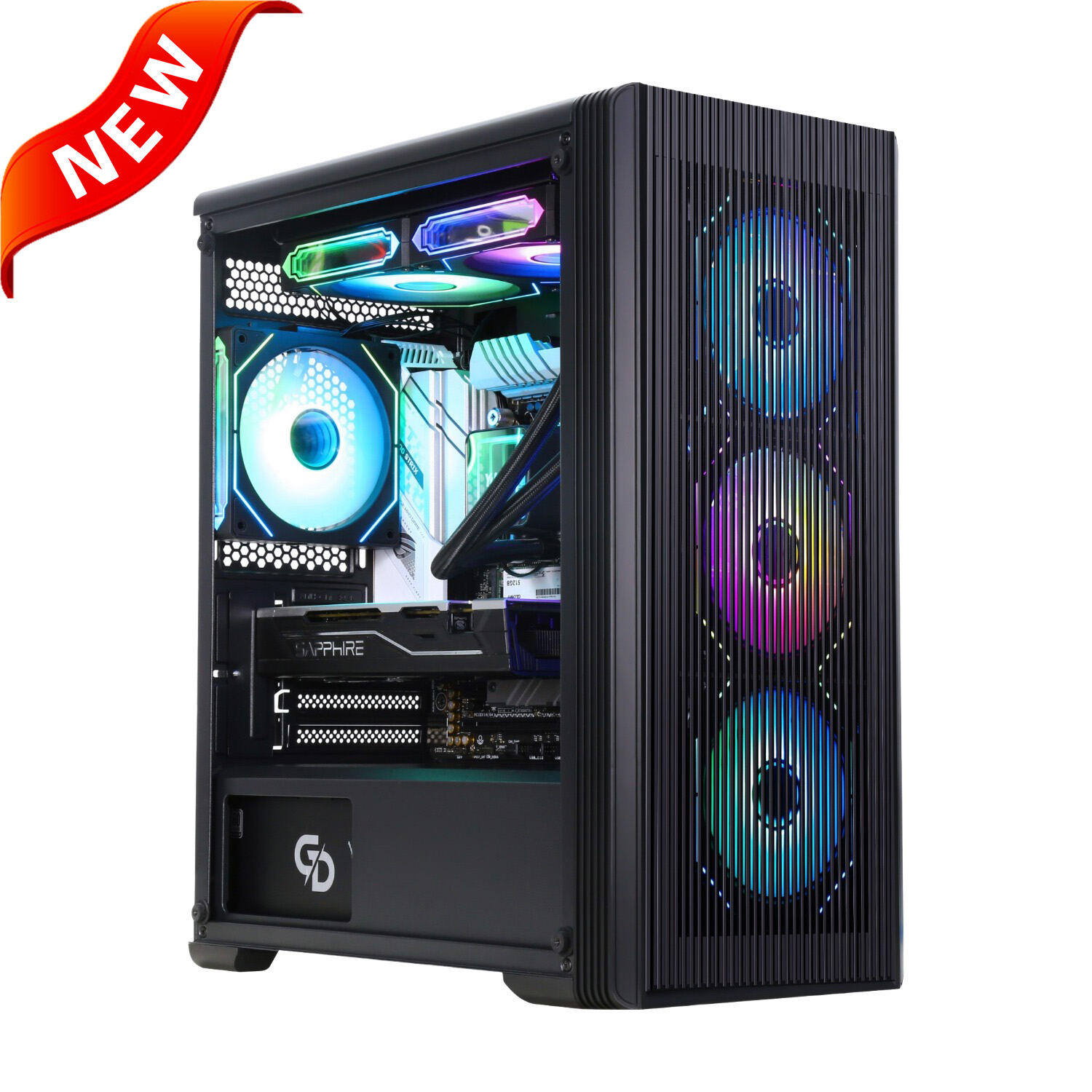
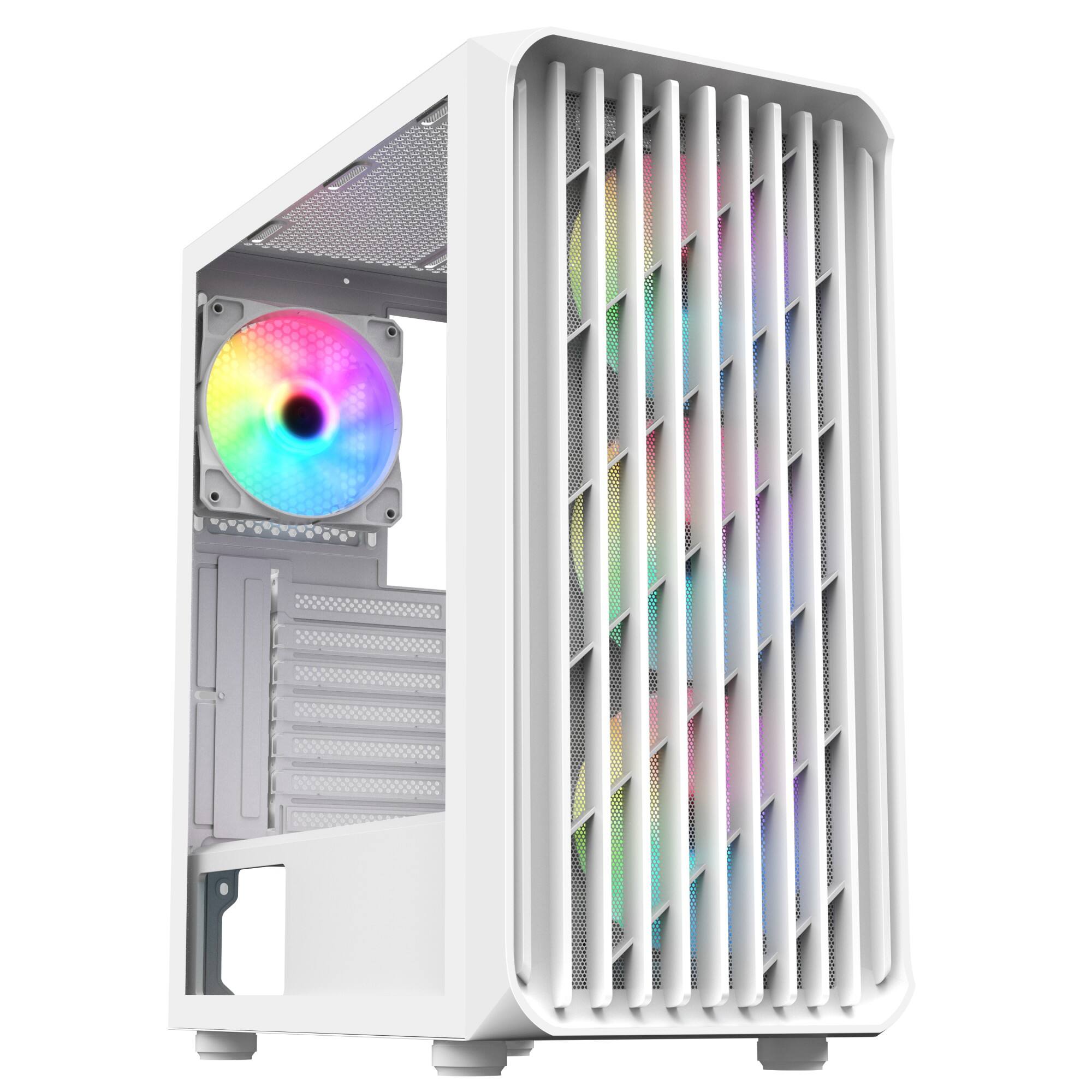
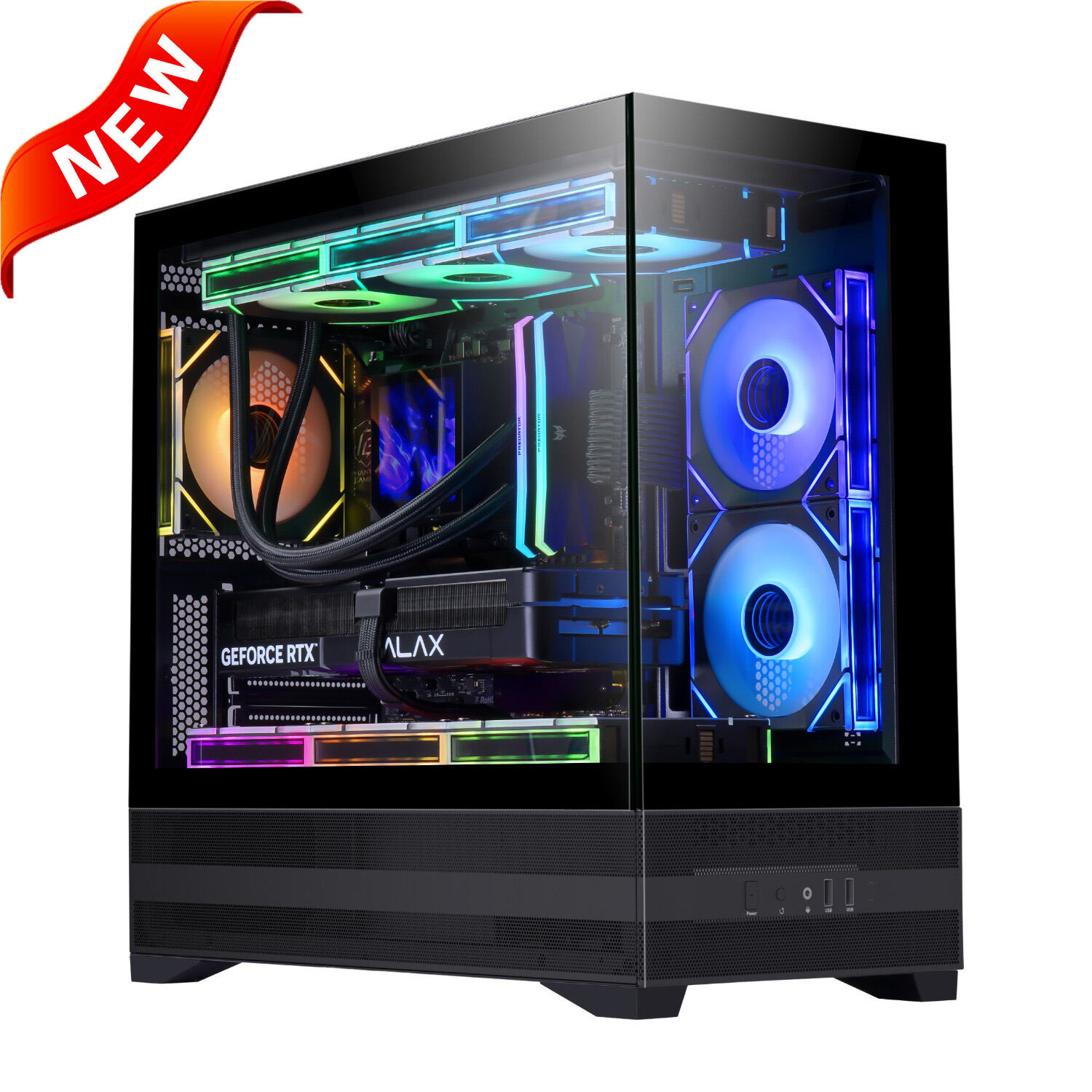
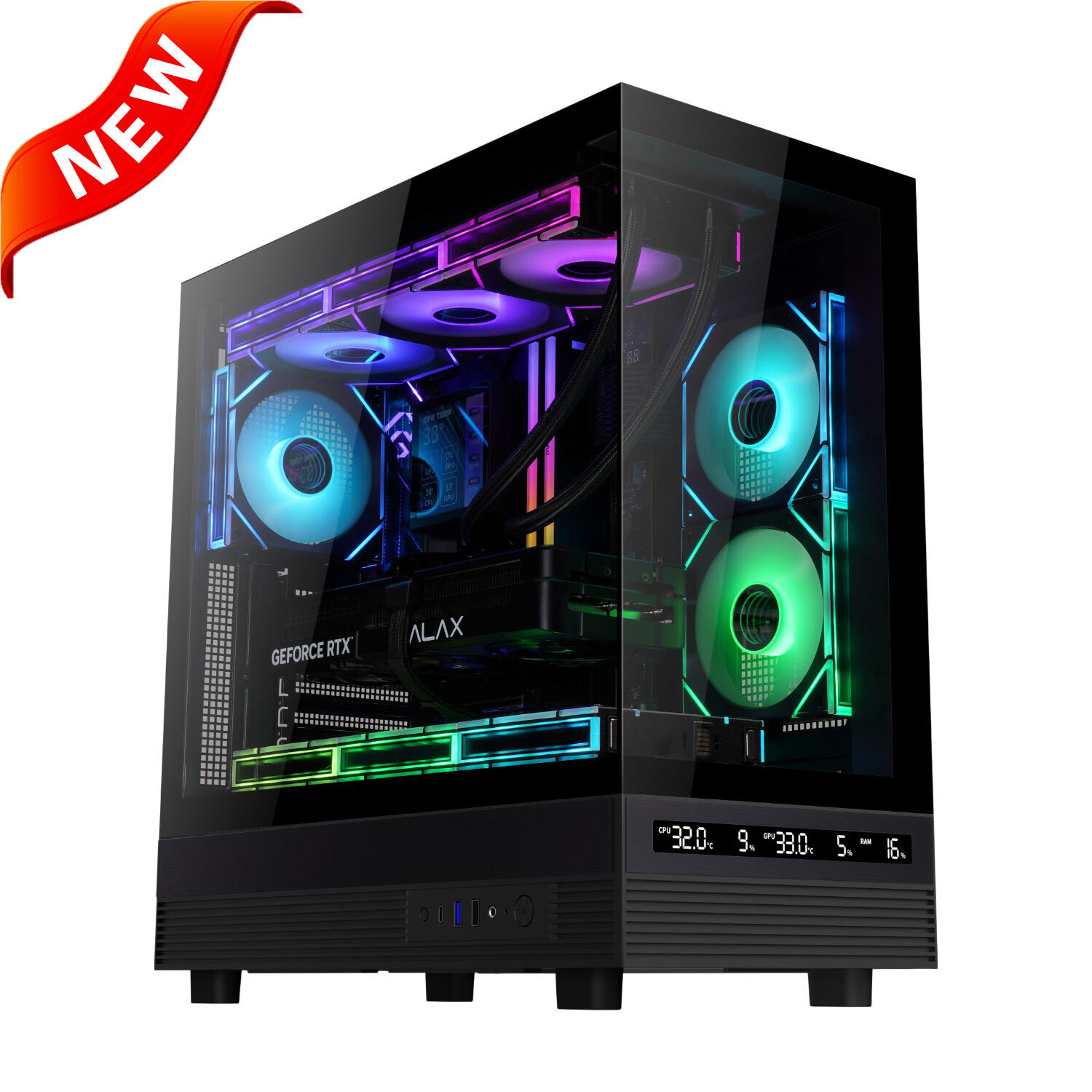
atx case with fans
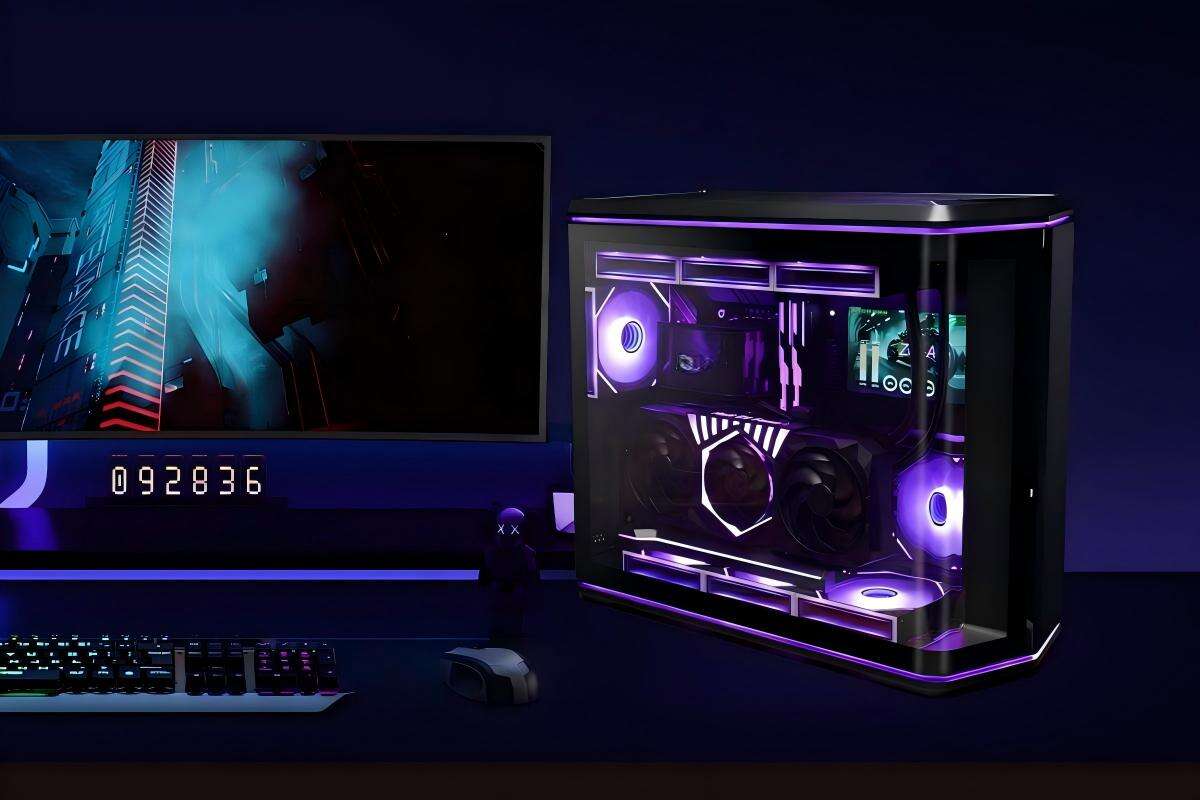
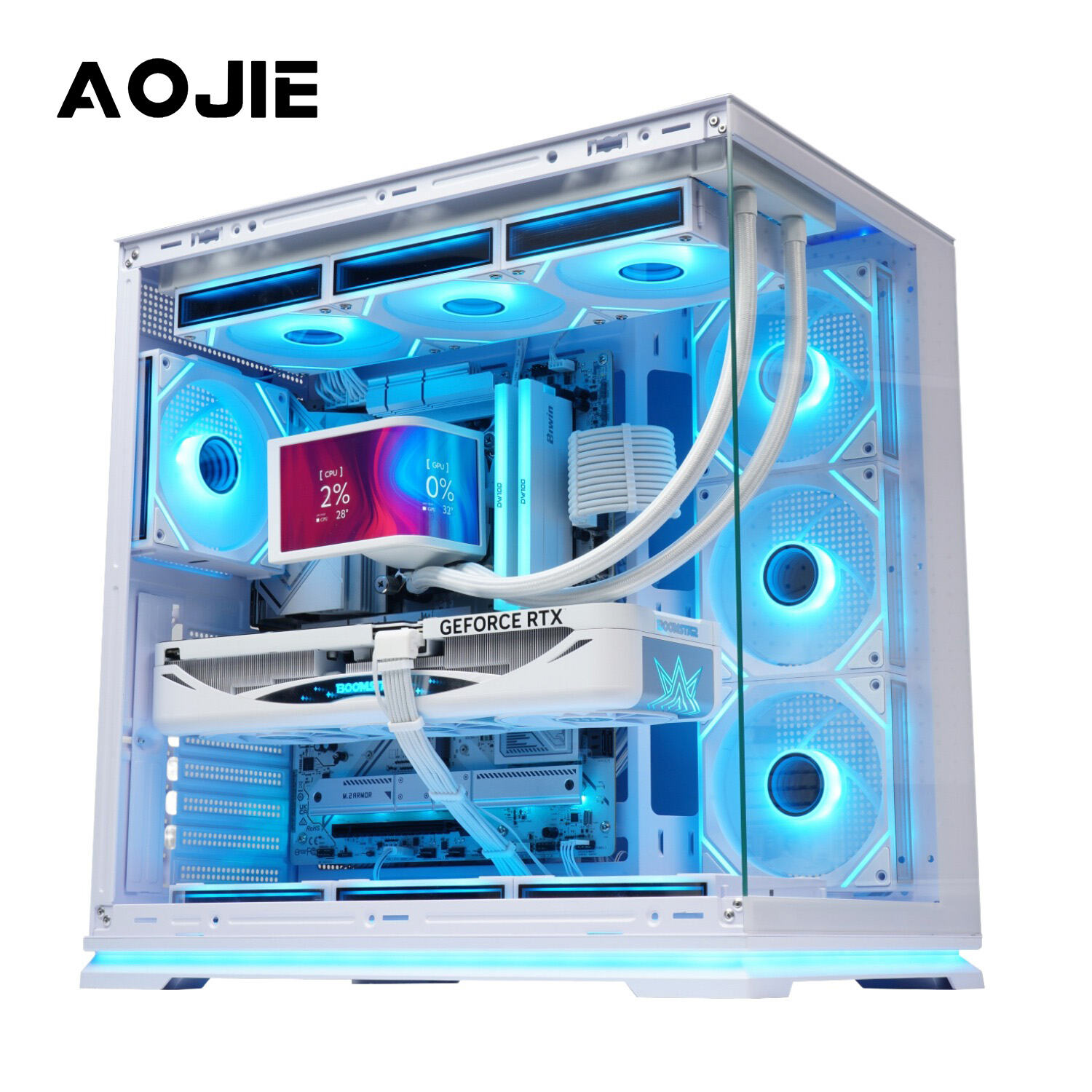
An ATX case with fans represents a fundamental component in modern computer building, designed to house and protect essential hardware components while maintaining optimal operating temperatures. The ATX case with fans follows the Advanced Technology eXtended standard, establishing a robust framework that accommodates motherboards, power supplies, storage devices, and expansion cards in a well-organized manner. These cases integrate multiple cooling fans strategically positioned to create efficient airflow patterns throughout the internal compartments. The primary function of an ATX case with fans extends beyond simple component housing, as it actively manages thermal dynamics through coordinated air circulation systems. Modern ATX case with fans typically feature intake fans at the front panel and exhaust fans at the rear, creating positive or negative pressure environments depending on configuration preferences. The technological features incorporated into today's ATX case with fans include tool-free installation mechanisms, modular drive cages, cable management systems, and tempered glass panels for aesthetic appeal. Advanced models integrate RGB lighting systems, fan speed controllers, and dust filtration mechanisms to enhance both performance and visual presentation. The structural design of an ATX case with fans prioritizes accessibility, featuring removable side panels, swing-out motherboard trays, and strategically placed mounting points for various hardware configurations. These cases accommodate multiple storage devices, including solid-state drives and traditional hard disk drives, while providing adequate clearance for high-performance graphics cards and tower-style CPU coolers. Applications for ATX case with fans span across gaming enthusiasts, professional workstations, content creation systems, and general computing environments. The versatility of ATX case with fans makes them suitable for budget-conscious builds and high-end custom configurations, adapting to diverse performance requirements and aesthetic preferences while maintaining consistent cooling efficiency throughout extended operation periods.
 ×
×
 EN
EN