atx case manufacturer
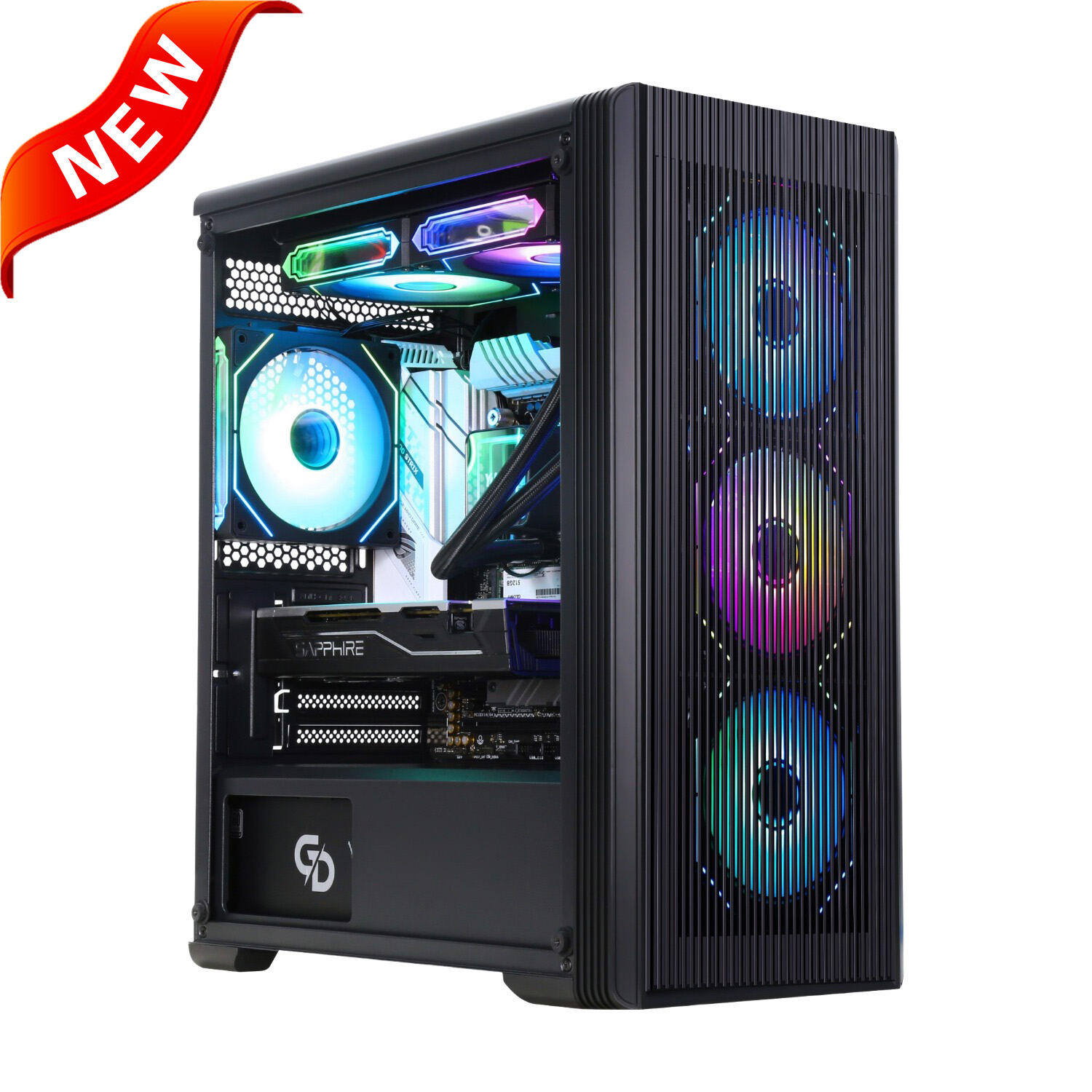
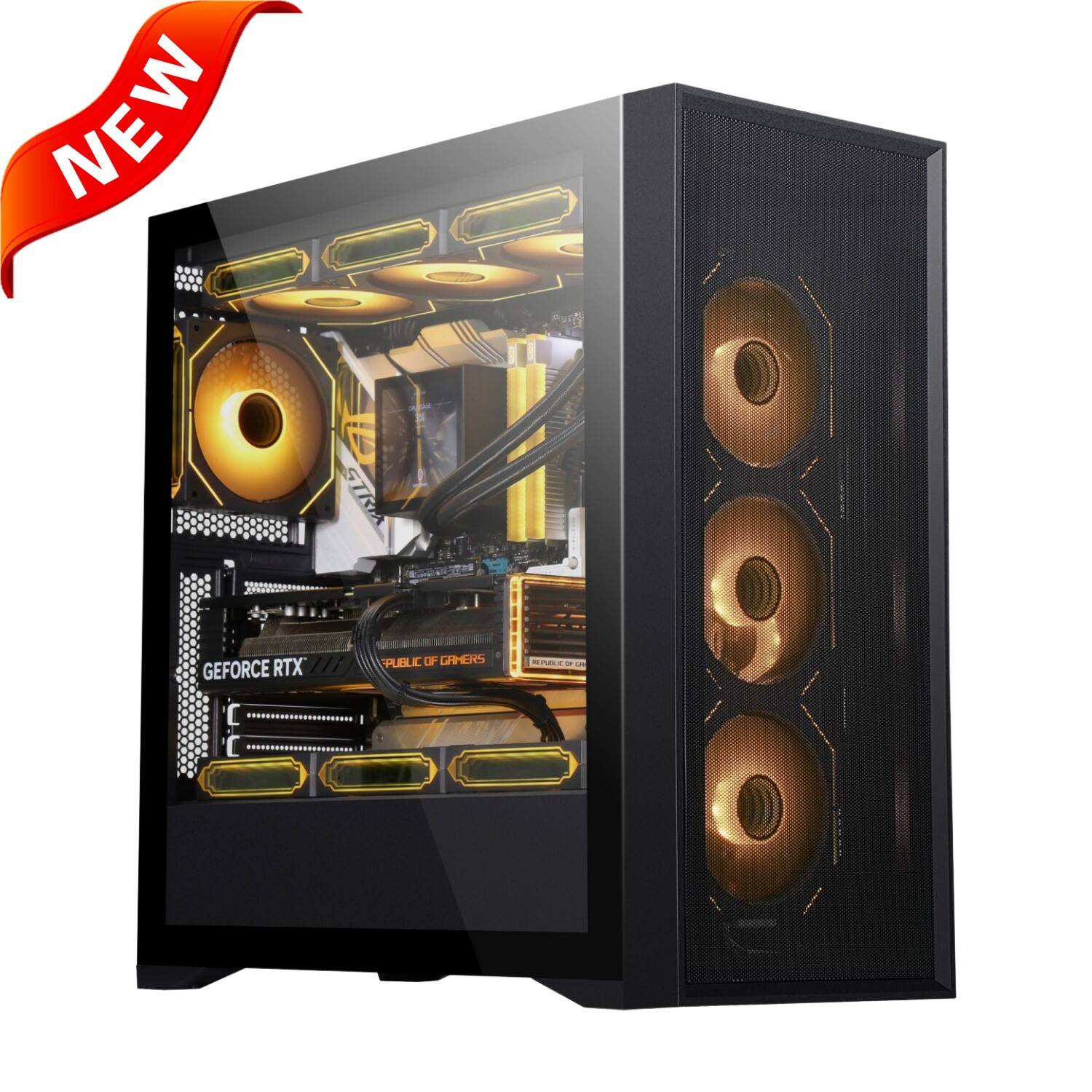
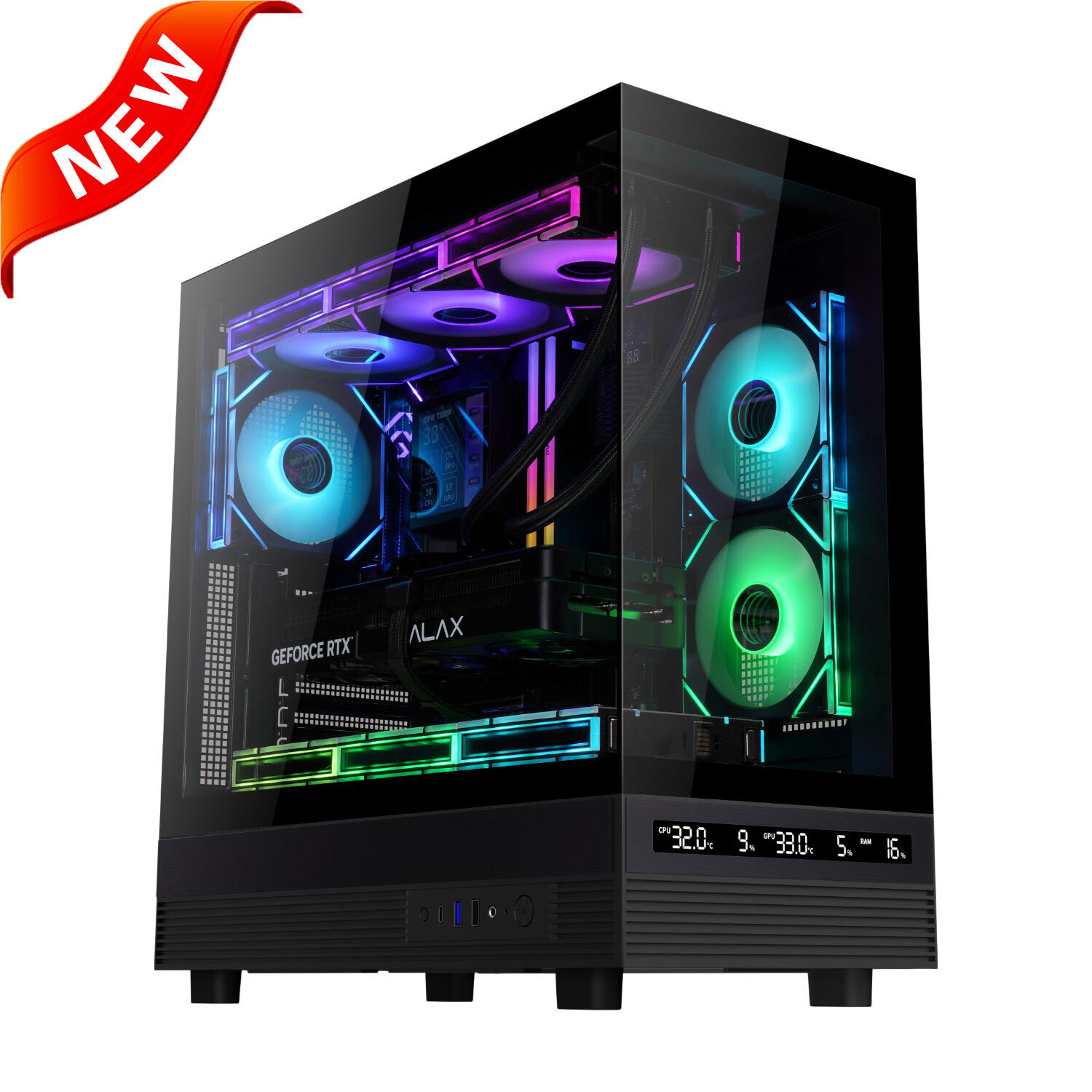
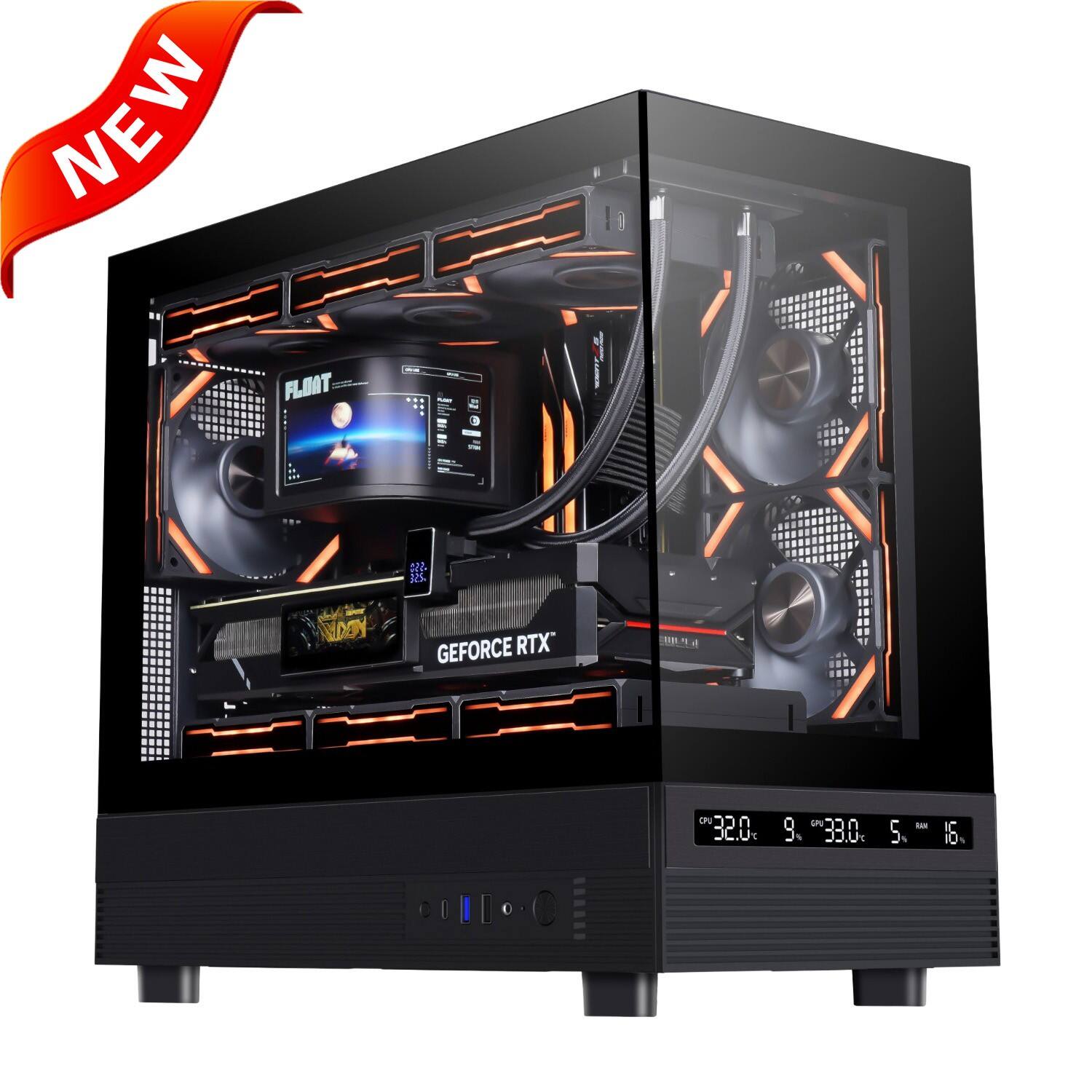
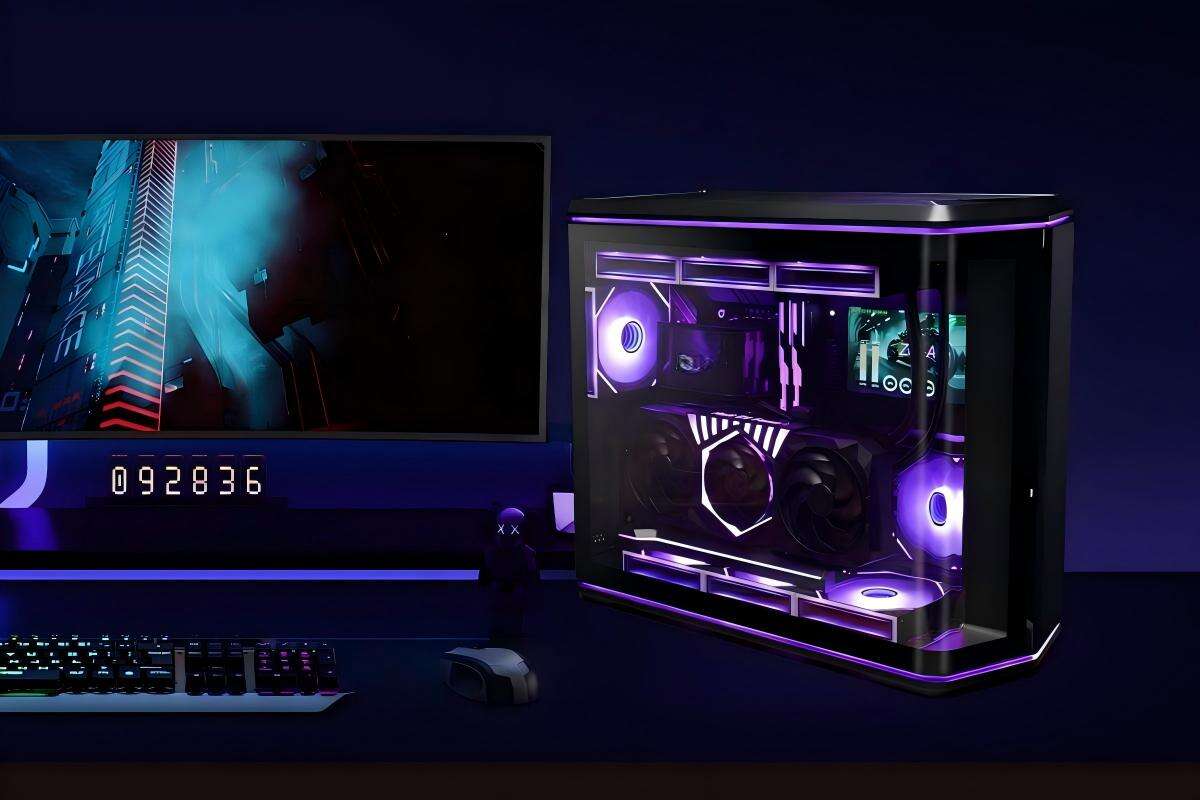
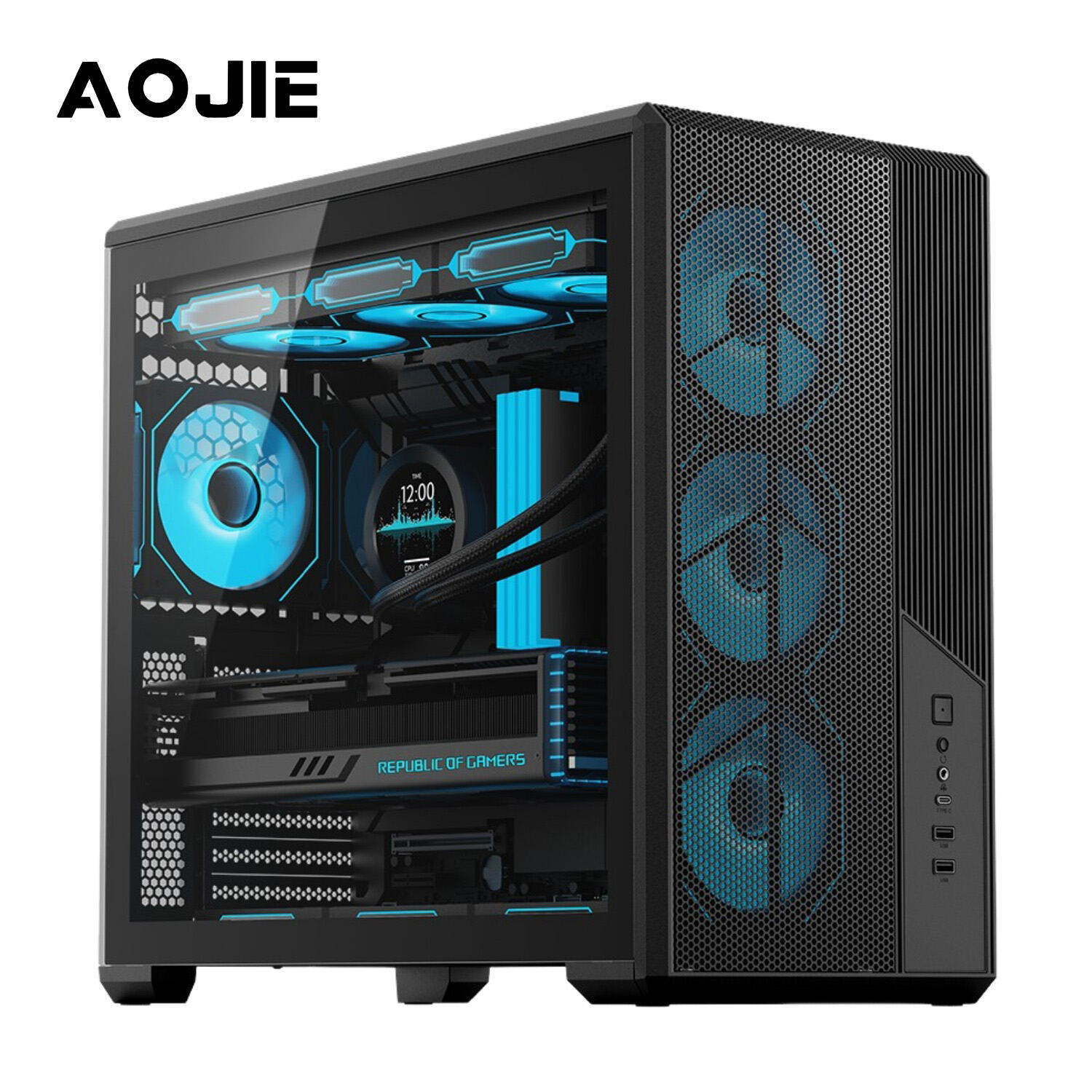
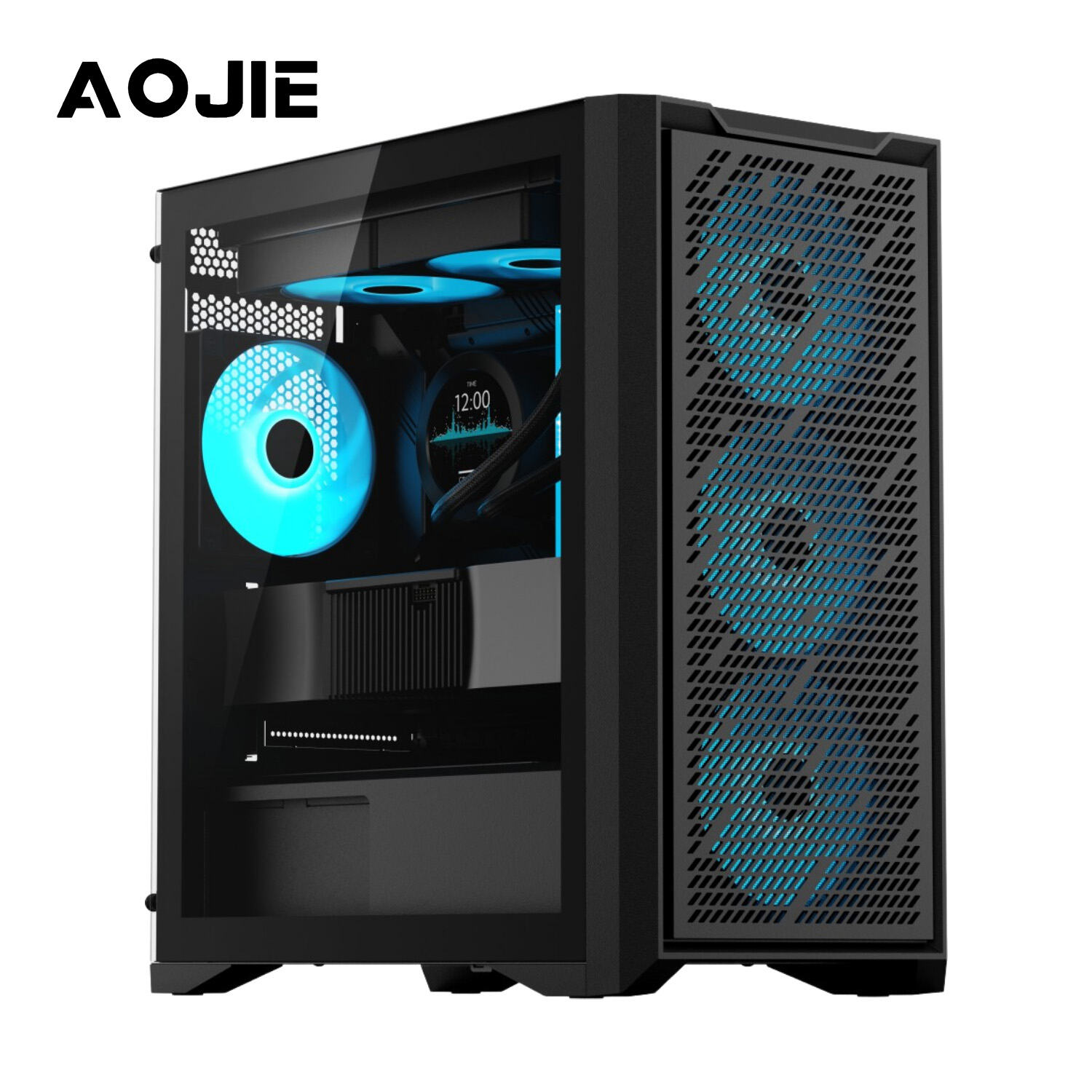
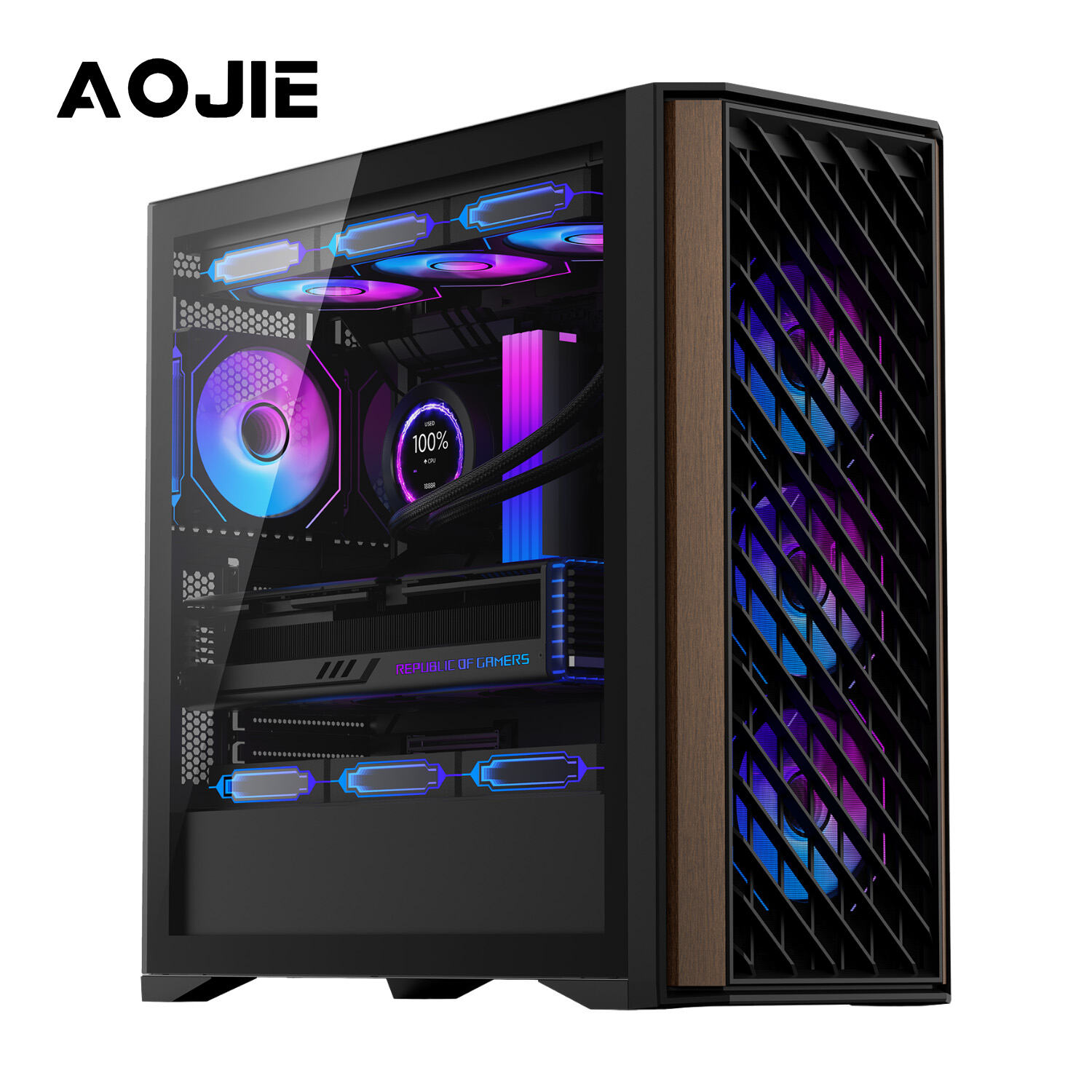
An ATX case manufacturer specializes in producing computer chassis designed to house ATX motherboards and associated components. These manufacturers focus on creating enclosures that provide optimal protection, cooling, and accessibility for desktop computer systems. The primary function of an ATX case manufacturer involves designing and producing cases that accommodate standard ATX form factors while ensuring proper airflow, component compatibility, and user-friendly installation processes. Modern ATX case manufacturers integrate advanced engineering principles to create products that meet diverse computing needs, from basic office workstations to high-performance gaming rigs and professional workstations. The technological features incorporated by leading ATX case manufacturers include modular cable management systems, pre-installed standoffs for motherboard mounting, removable drive bays for flexible storage configurations, and strategically positioned fan mounting points for enhanced thermal management. These manufacturers utilize materials such as steel, aluminum, and tempered glass to construct durable yet aesthetically pleasing enclosures. Many ATX case manufacturers now implement tool-free installation mechanisms, allowing users to install components without requiring screws for certain parts. The applications for products from an ATX case manufacturer span across residential, commercial, and industrial sectors. Home users rely on these cases for gaming computers, media centers, and general-purpose desktop systems. Businesses utilize ATX cases for office workstations, servers, and specialized computing equipment. The versatility of modern ATX case designs allows manufacturers to cater to various market segments, including budget-conscious consumers, enthusiast builders, and professional system integrators. Quality ATX case manufacturers also focus on expandability features, ensuring their products can accommodate future hardware upgrades. This forward-thinking approach helps customers protect their investment while maintaining system flexibility. The manufacturing process typically involves precision cutting, welding, finishing, and quality control procedures to ensure each case meets strict industry standards for durability and functionality.
 ×
×
 EN
EN