best cpu radiator
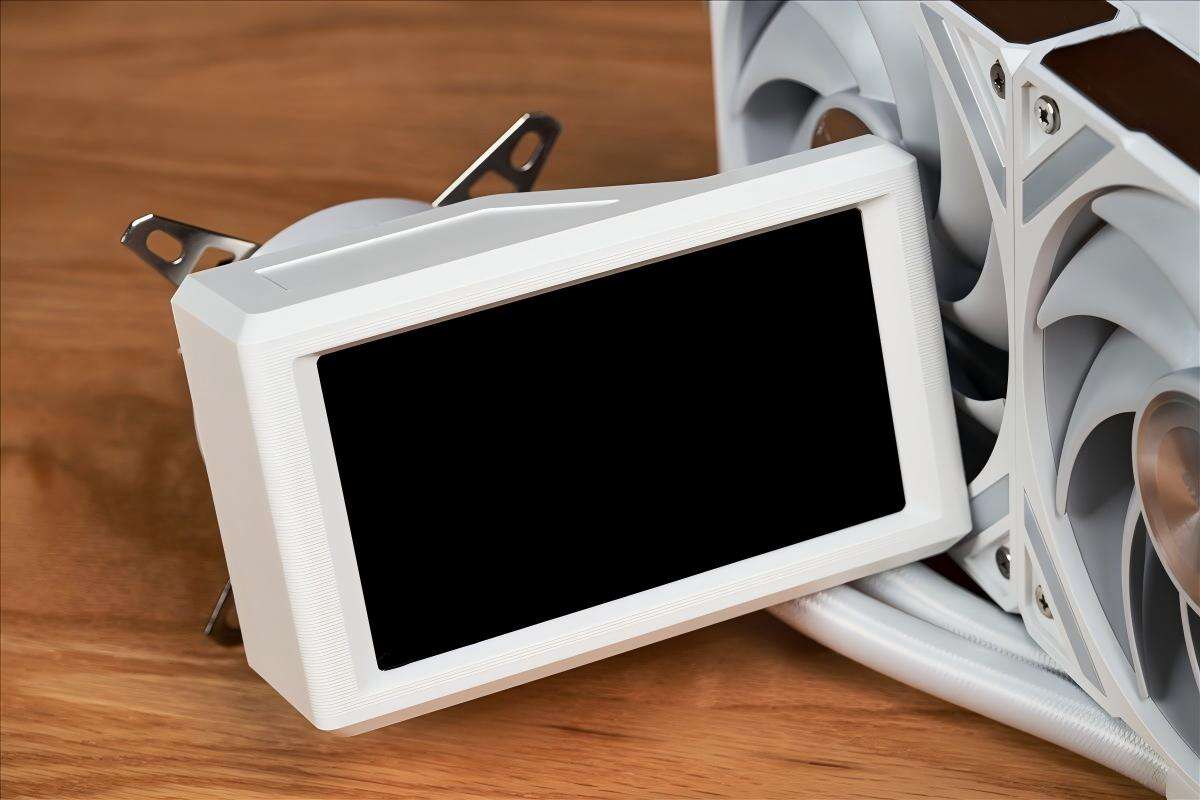
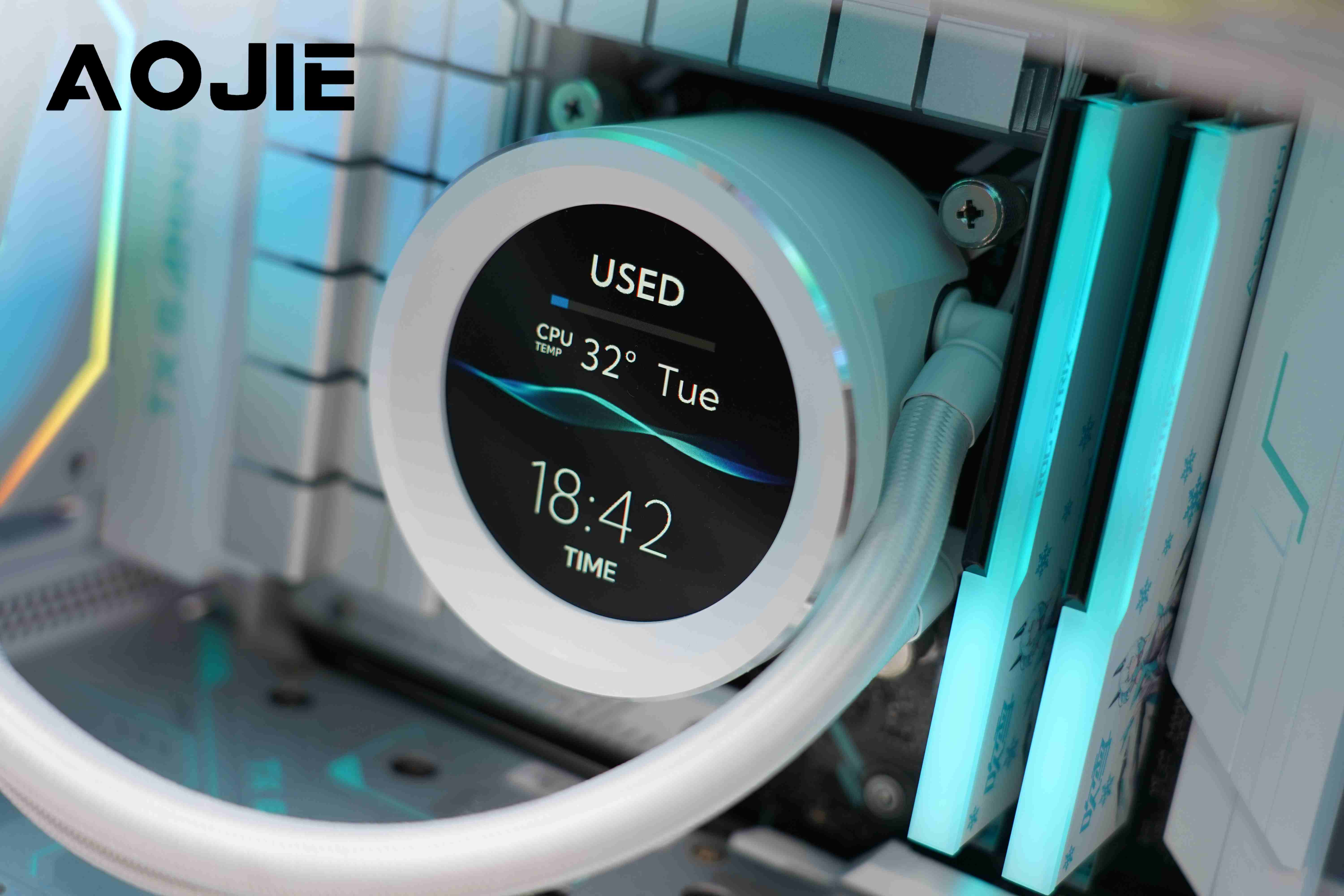
The best cpu radiator represents the pinnacle of thermal management technology, designed to maintain optimal processor temperatures under demanding workloads. This essential computer component functions as the primary heat dissipation system, transferring thermal energy away from your CPU through an intricate network of fins, heat pipes, and cooling fans. Modern radiators utilize advanced materials like copper and aluminum alloys to maximize thermal conductivity while minimizing weight and manufacturing costs. The best cpu radiator incorporates sophisticated heat pipe technology, where sealed tubes containing specialized coolant create a continuous thermal transfer cycle. When your processor generates heat, the coolant evaporates at the hot end, travels to the cooler fins, condenses back to liquid form, and returns via gravity or capillary action. This closed-loop system provides exceptional thermal efficiency compared to traditional solid metal heatsinks. Contemporary designs feature multiple heat pipes ranging from four to eight tubes, each strategically positioned to capture maximum thermal energy from the CPU surface. The radiator fins utilize precise spacing and geometric patterns to optimize airflow while maximizing surface area for heat exchange. Advanced manufacturing techniques ensure perfect contact between the baseplate and processor, eliminating air gaps that could impede thermal transfer. High-performance models incorporate nickel-plated copper baseplates that resist corrosion while providing superior thermal conductivity. The best cpu radiator systems support multiple socket types including Intel LGA1700, LGA1200, and AMD AM4, AM5 platforms, ensuring broad compatibility across current processor generations. These thermal solutions effectively handle processors with thermal design power ratings exceeding 150 watts, making them suitable for high-end gaming systems, workstations, and overclocked configurations. Premium models feature tool-free installation mechanisms, adjustable mounting pressure, and pre-applied thermal compound for simplified setup procedures. The integration of pulse-width modulation fan control allows dynamic speed adjustment based on thermal loads, optimizing the balance between cooling performance and acoustic output for various usage scenarios.
 ×
×

 EN
EN