Space-Efficient Design Innovation
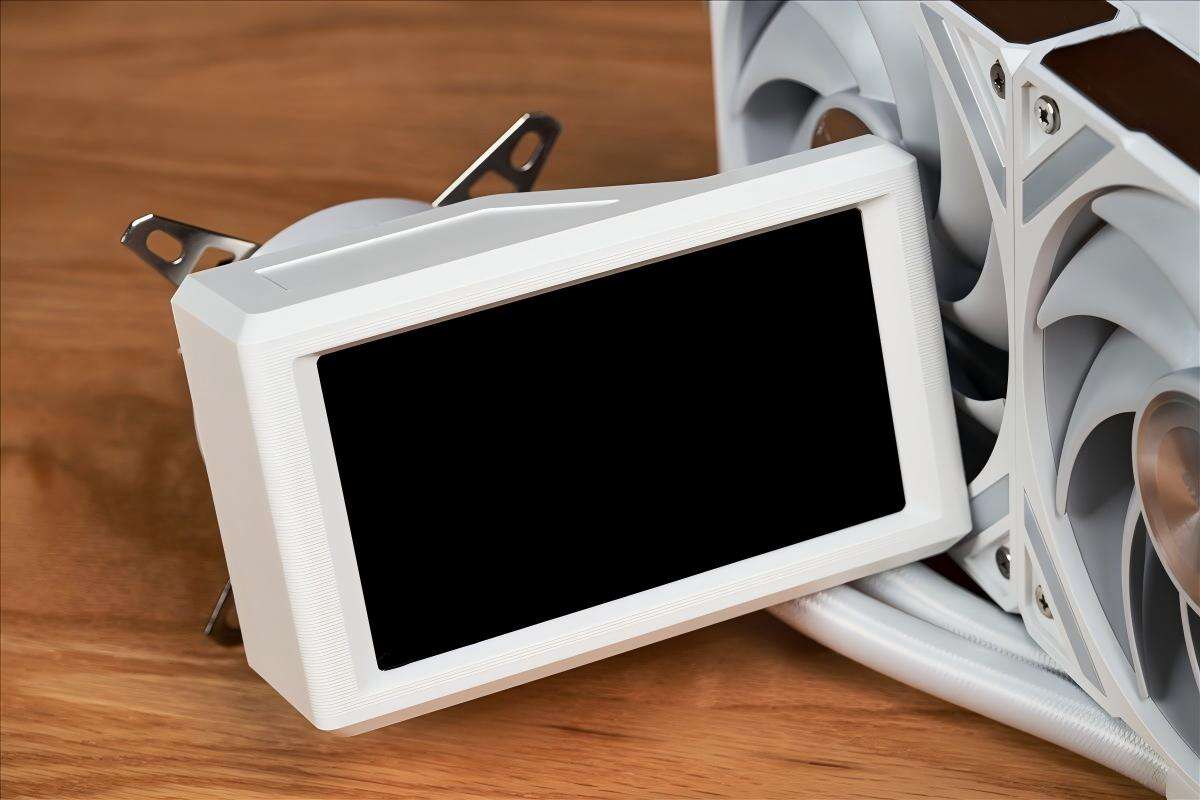
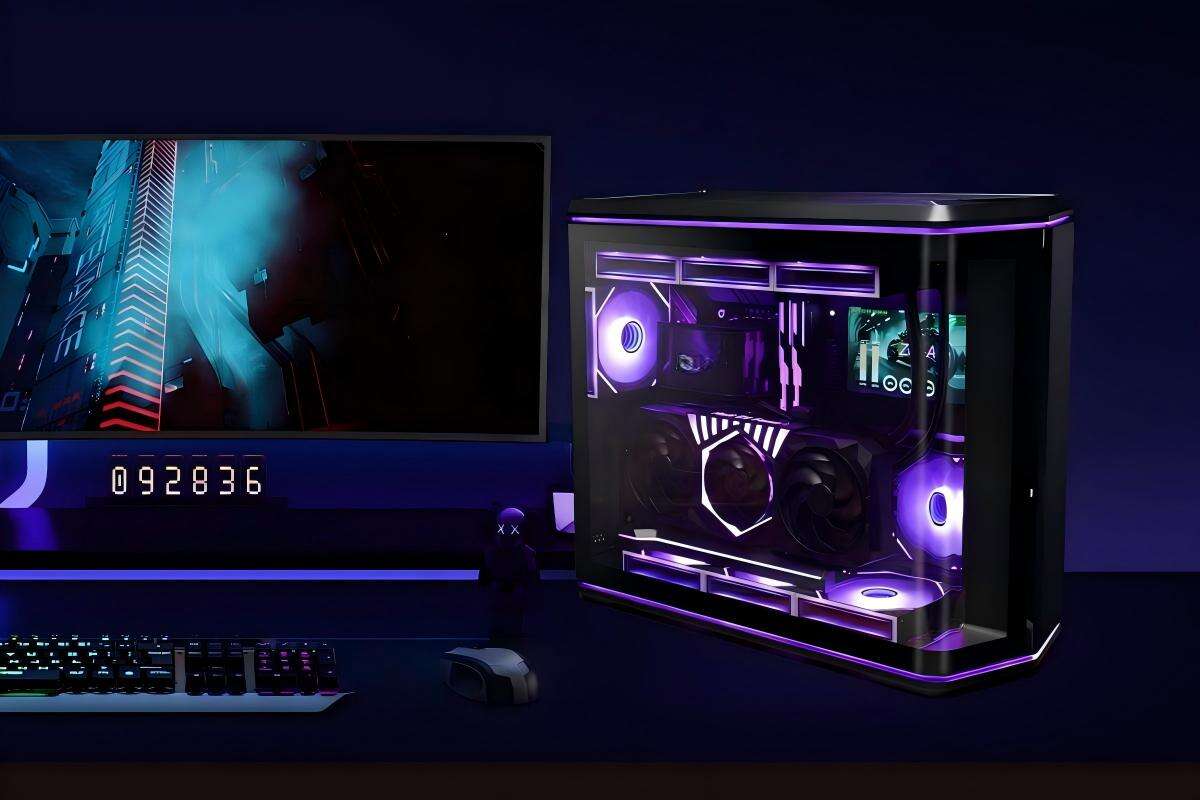
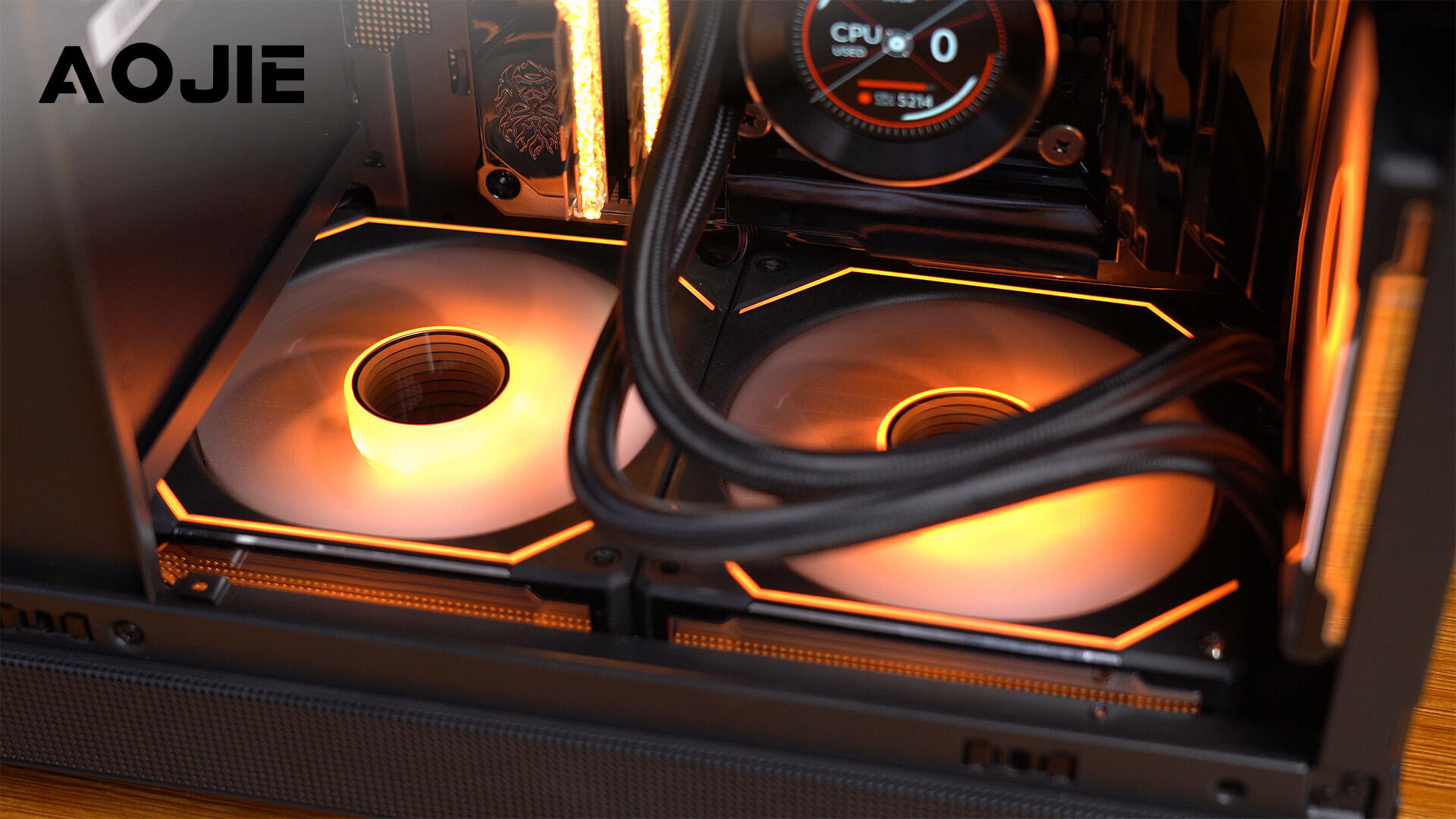
The aio cooler radiator revolutionizes computer case internal layouts through intelligent space utilization that eliminates the bulky constraints associated with traditional cooling solutions. Unlike massive tower coolers that occupy significant vertical space and obstruct memory modules, the aio cooler radiator separates the heat dissipation components, allowing the low-profile CPU block to maintain full compatibility with tall RAM modules and nearby expansion cards. This design innovation proves particularly valuable in compact form factor builds where every millimeter of internal space matters, enabling powerful cooling performance in mini-ITX and micro-ATX configurations that would otherwise struggle with thermal management. The flexible radiator positioning options transform case airflow dynamics, as users can mount the radiator assembly in optimal locations for intake or exhaust configurations based on their specific cooling requirements. Front-mounted radiator installations create efficient cool air intake directly to the cooling system, while top or rear mounting positions facilitate heated air extraction from the case interior. The slim profile of modern aio cooler radiator units, typically measuring between 25mm to 30mm in thickness, allows installation in cases with limited clearance while maintaining full cooling efficiency. The modular approach enables system builders to optimize airflow patterns throughout the entire case, improving overall thermal performance for all components including graphics cards, motherboard voltage regulators, and storage devices. Cable management benefits emerge from the cleaner internal layout, as the aio cooler radiator eliminates the need for multiple fan cables and large heat sink mounting hardware that can complicate routing and airflow. The standardized mounting brackets accommodate multiple processor sockets across different generations, ensuring upgrade compatibility without requiring new cooling solutions. This space efficiency extends to maintenance accessibility, as the separated components allow easier system cleaning and component access compared to integrated air cooling solutions that require complete removal for thorough cleaning.
 ×
×
 EN
EN