Intelligent Temperature Monitoring and Control System
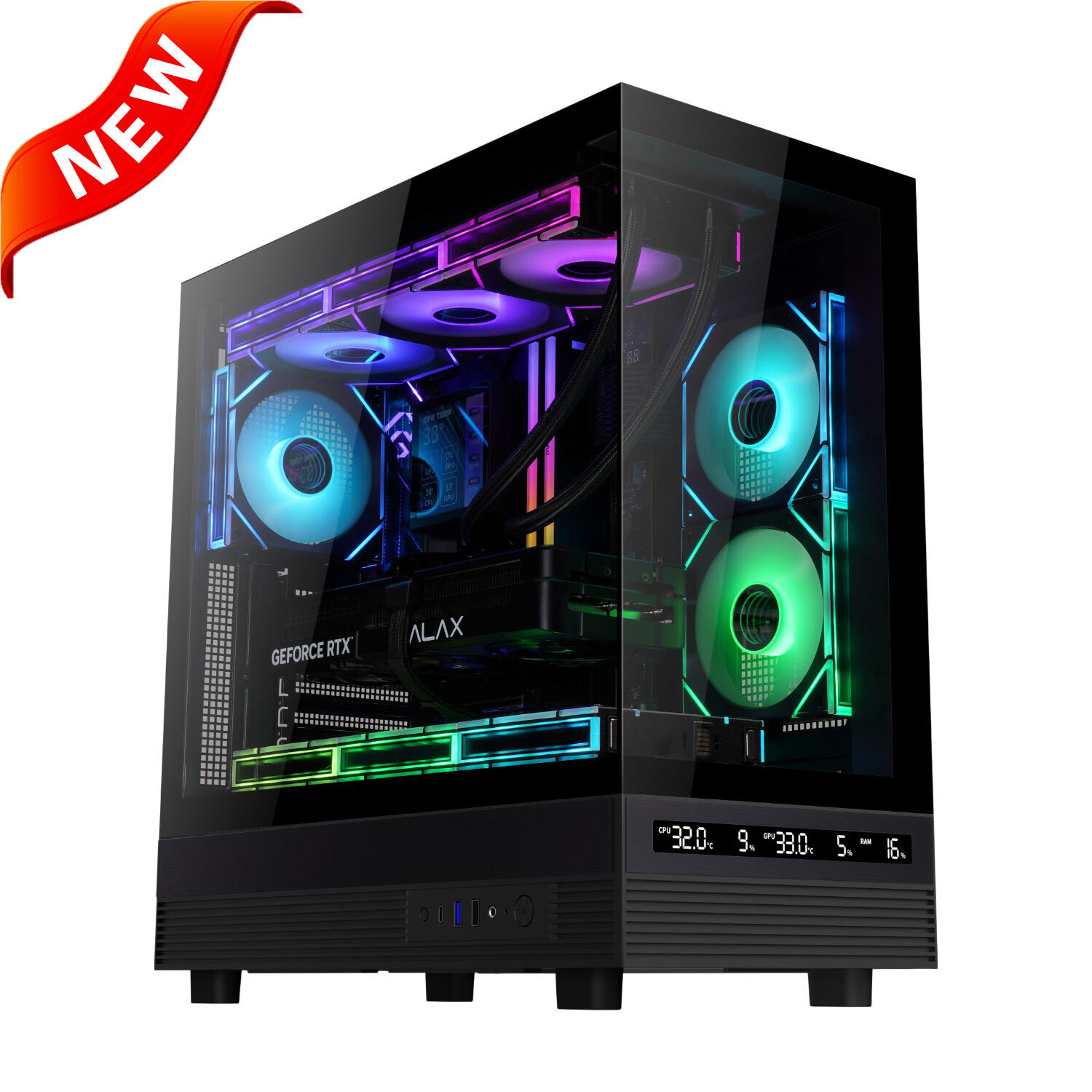
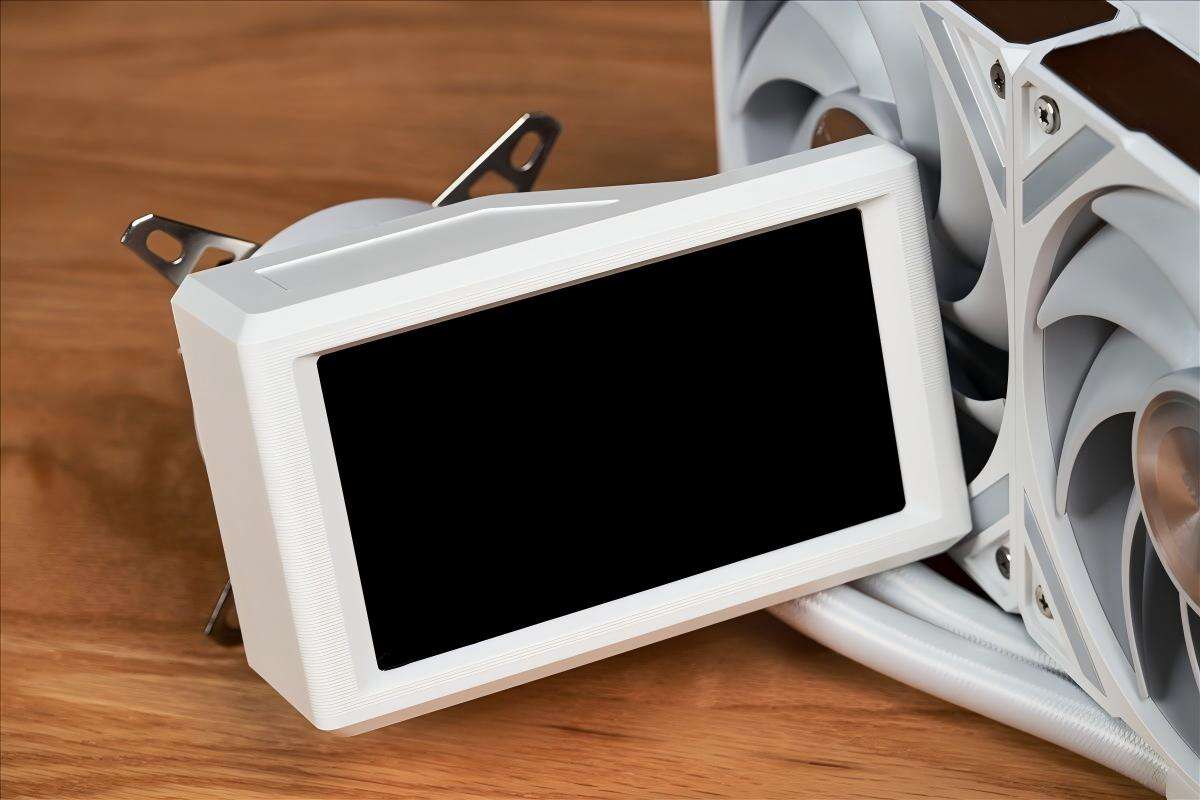
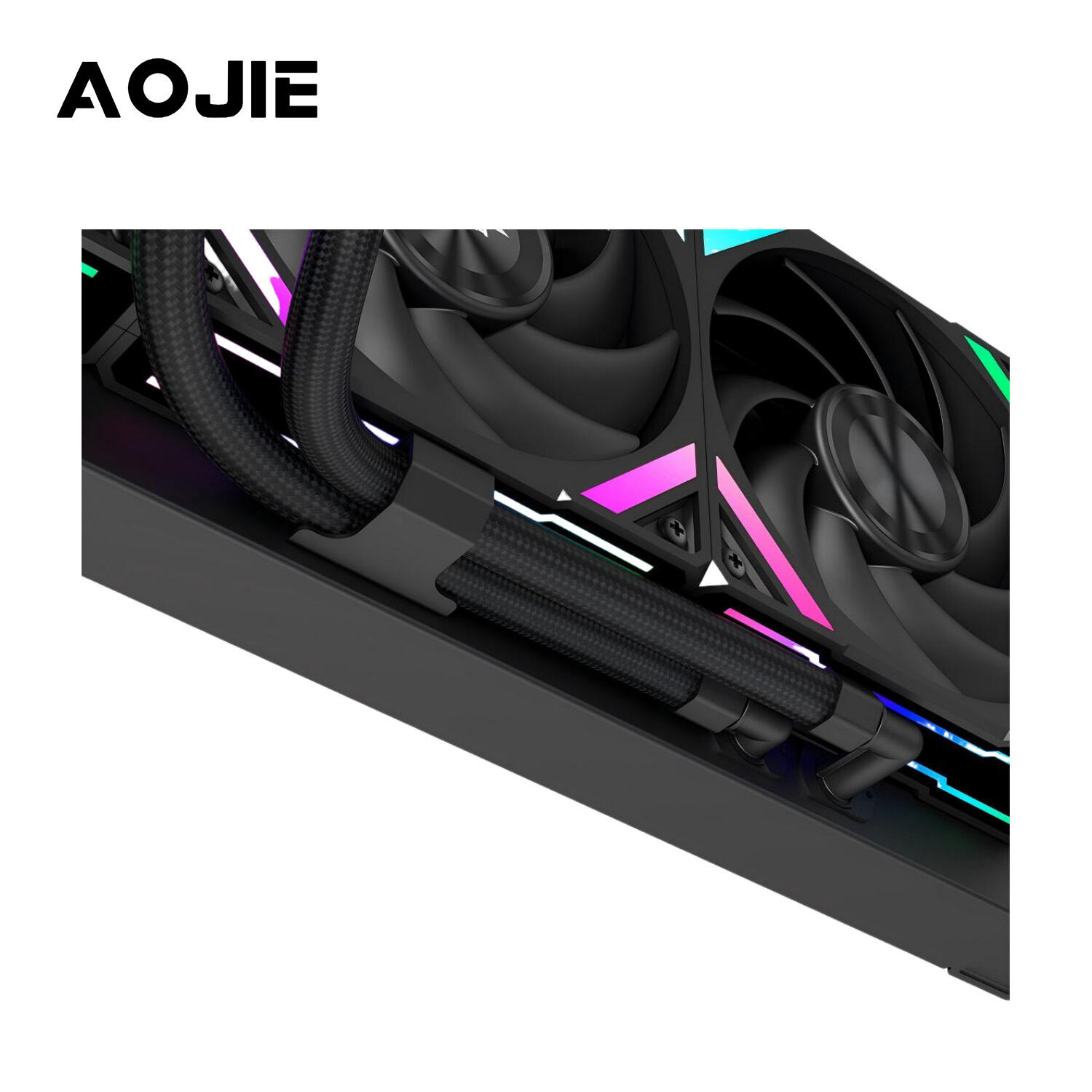
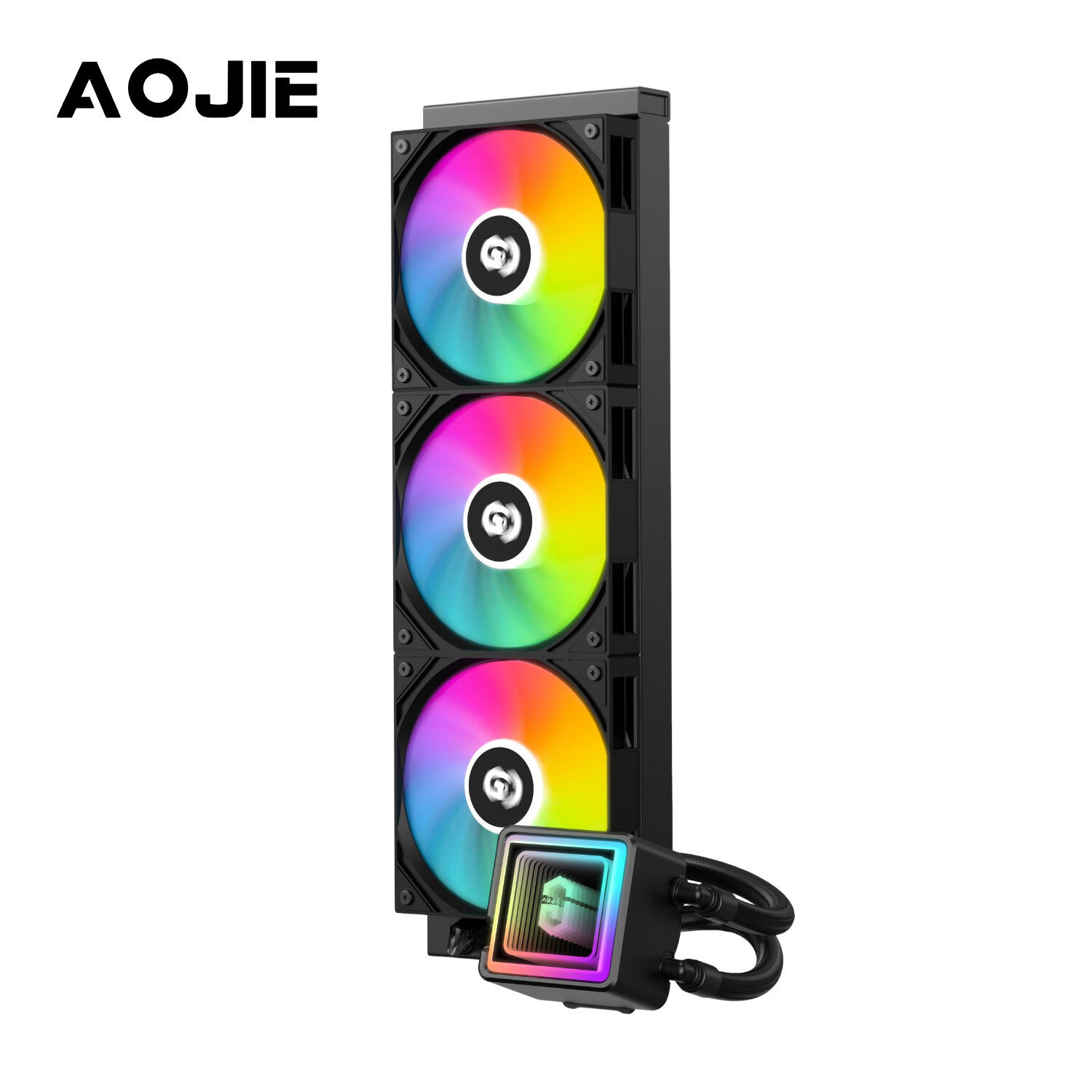
The sophisticated intelligent temperature monitoring and control system embedded in premium water cooler radiators delivers unprecedented precision in thermal management through advanced sensor technology and automated response mechanisms. This cutting-edge system continuously monitors coolant temperatures at multiple points throughout the circulation loop, providing real-time data analysis and predictive cooling adjustments that maintain optimal operating conditions. High-precision temperature sensors strategically positioned at inlet and outlet ports, along with ambient air monitoring devices, create a comprehensive thermal profile that enables proactive cooling management. The intelligent control algorithms process sensor data in real-time, automatically adjusting fan speeds, pump flow rates, and system parameters to maintain target temperatures with remarkable accuracy. Advanced microprocessor technology enables the system to learn usage patterns and anticipate cooling demands, preemptively adjusting performance to prevent temperature spikes before they occur. User-friendly interfaces provide intuitive control over cooling preferences, allowing customization of temperature thresholds, fan curves, and performance profiles to match specific application requirements. The monitoring system includes comprehensive diagnostic capabilities that detect potential issues such as coolant leaks, pump failures, or blocked airflow passages, alerting users before problems escalate into costly repairs. Data logging functionality records performance metrics over extended periods, enabling trend analysis and preventive maintenance scheduling that maximizes system reliability and lifespan. Remote monitoring capabilities through wireless connectivity allow users to track water cooler radiator performance from mobile devices or computer networks, providing convenience and peace of mind. The intelligent system integrates seamlessly with existing building management systems or industrial control networks, enabling centralized monitoring and control of multiple cooling units. Energy optimization algorithms continuously adjust system operation to achieve maximum cooling efficiency while minimizing power consumption, resulting in significant cost savings over traditional fixed-speed cooling solutions. Safety features include automatic shutdown protocols that protect equipment from damage in the event of cooling system failures or extreme temperature conditions, preventing catastrophic component damage and ensuring operational safety.
 ×
×
 EN
EN