fan cooler for pc
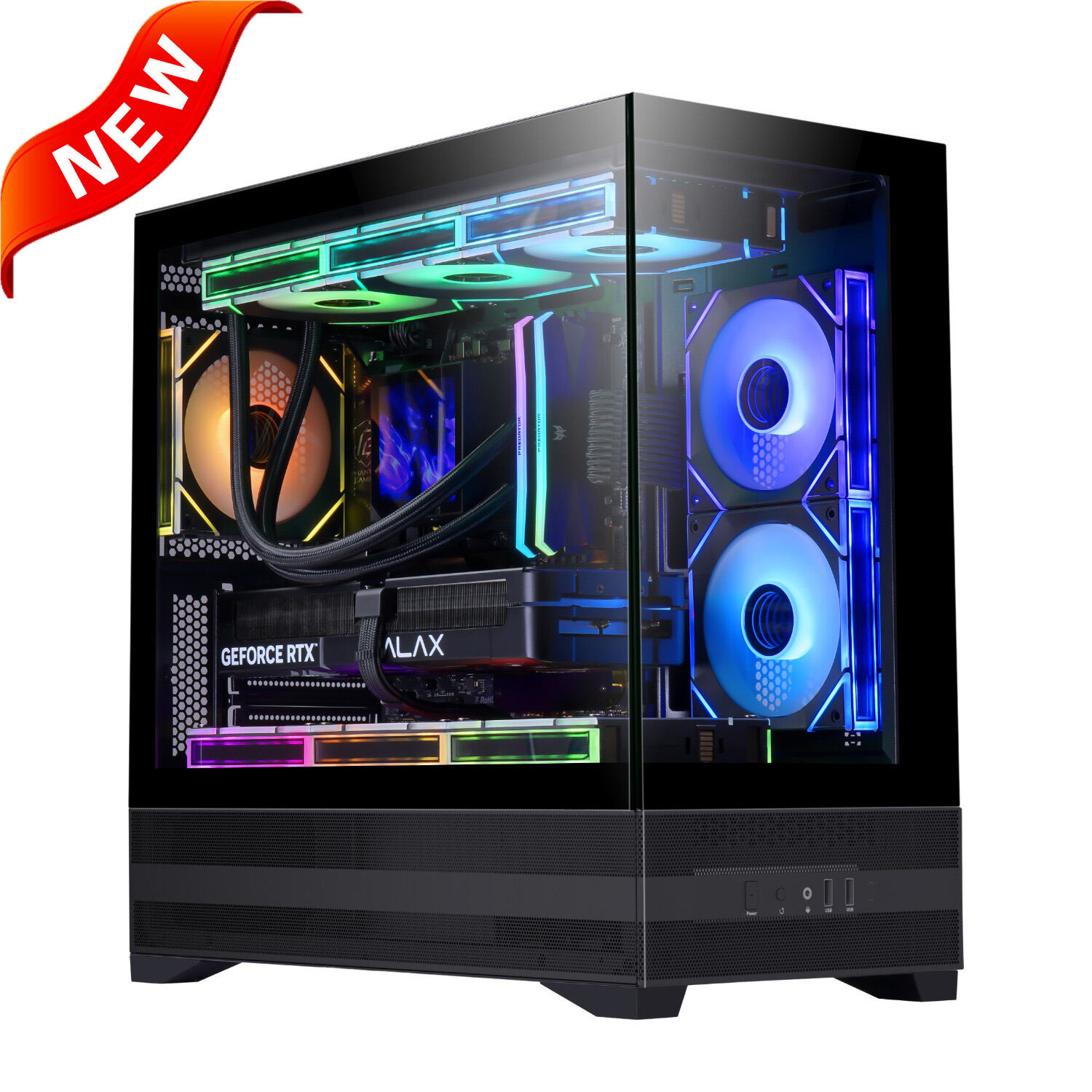
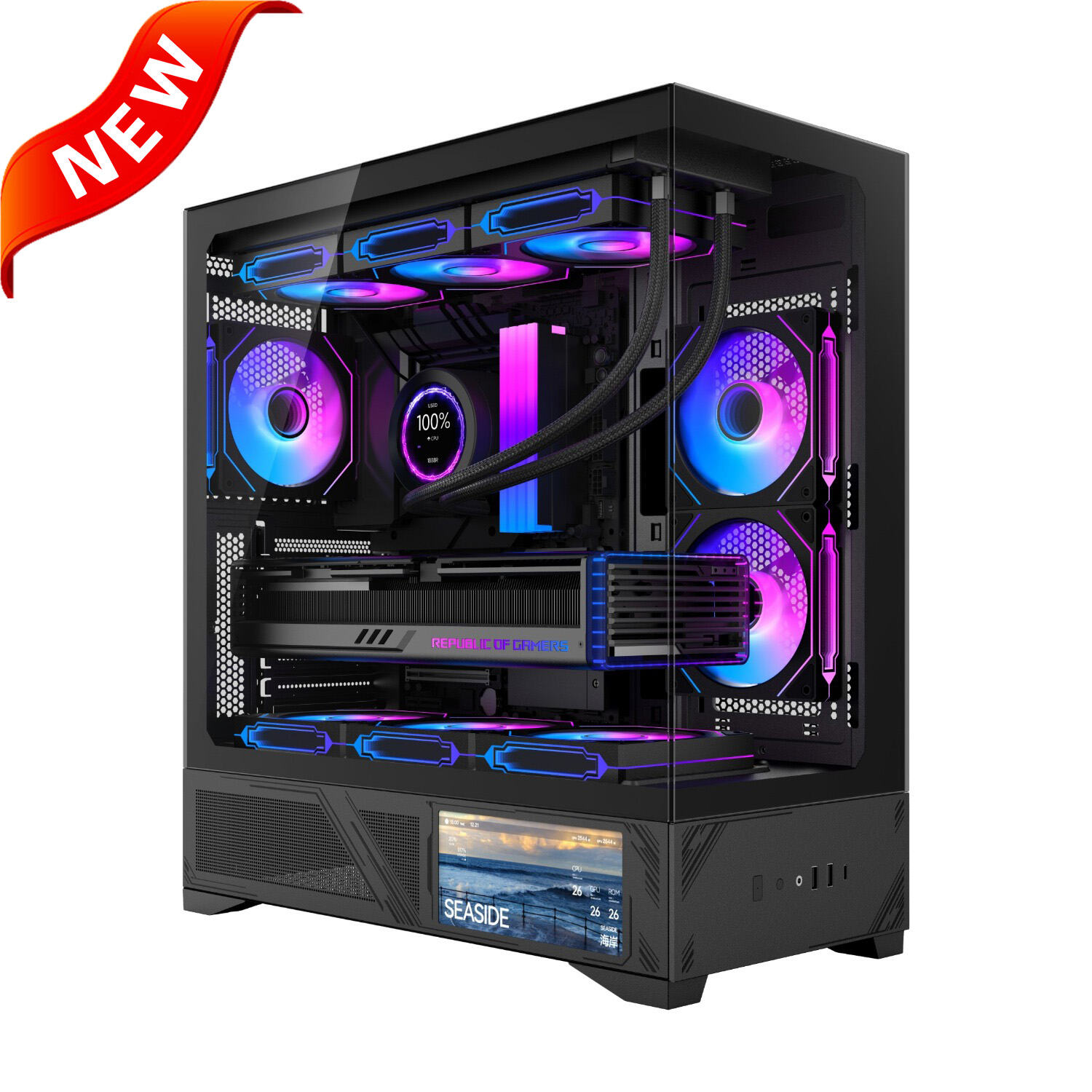
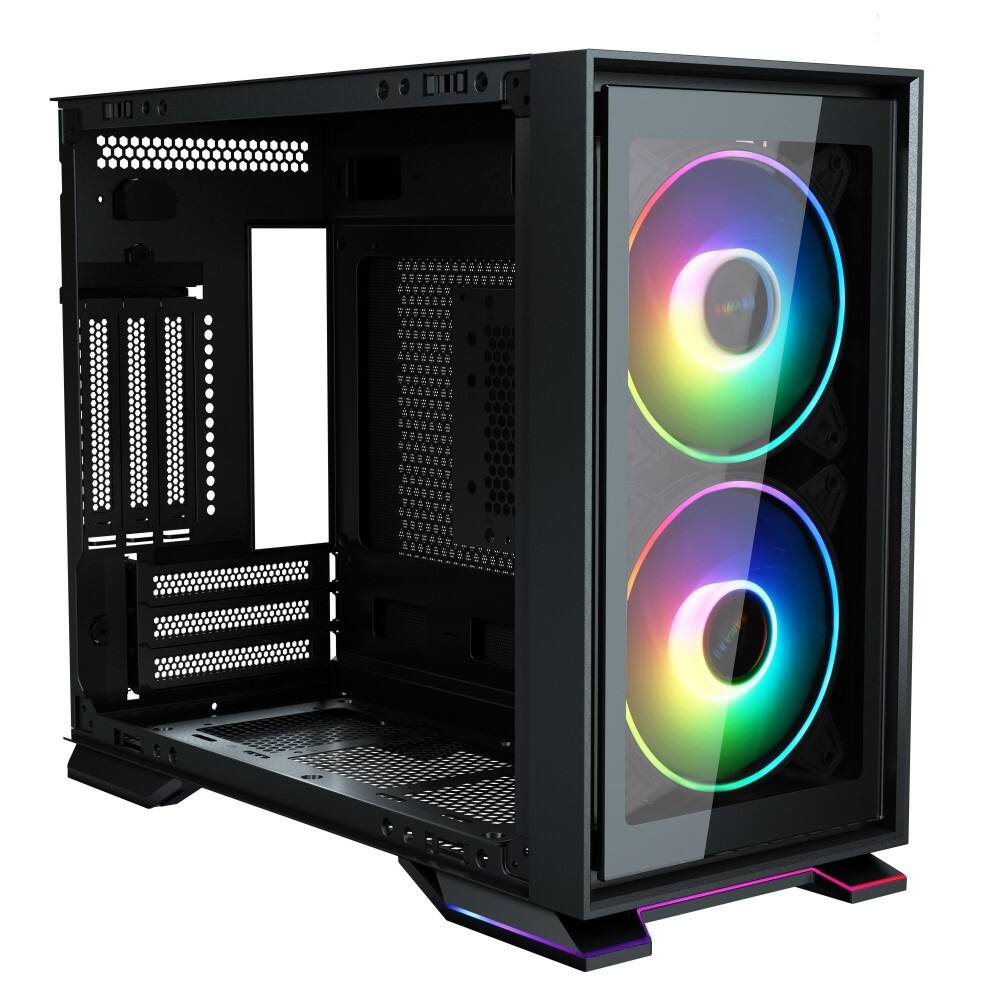
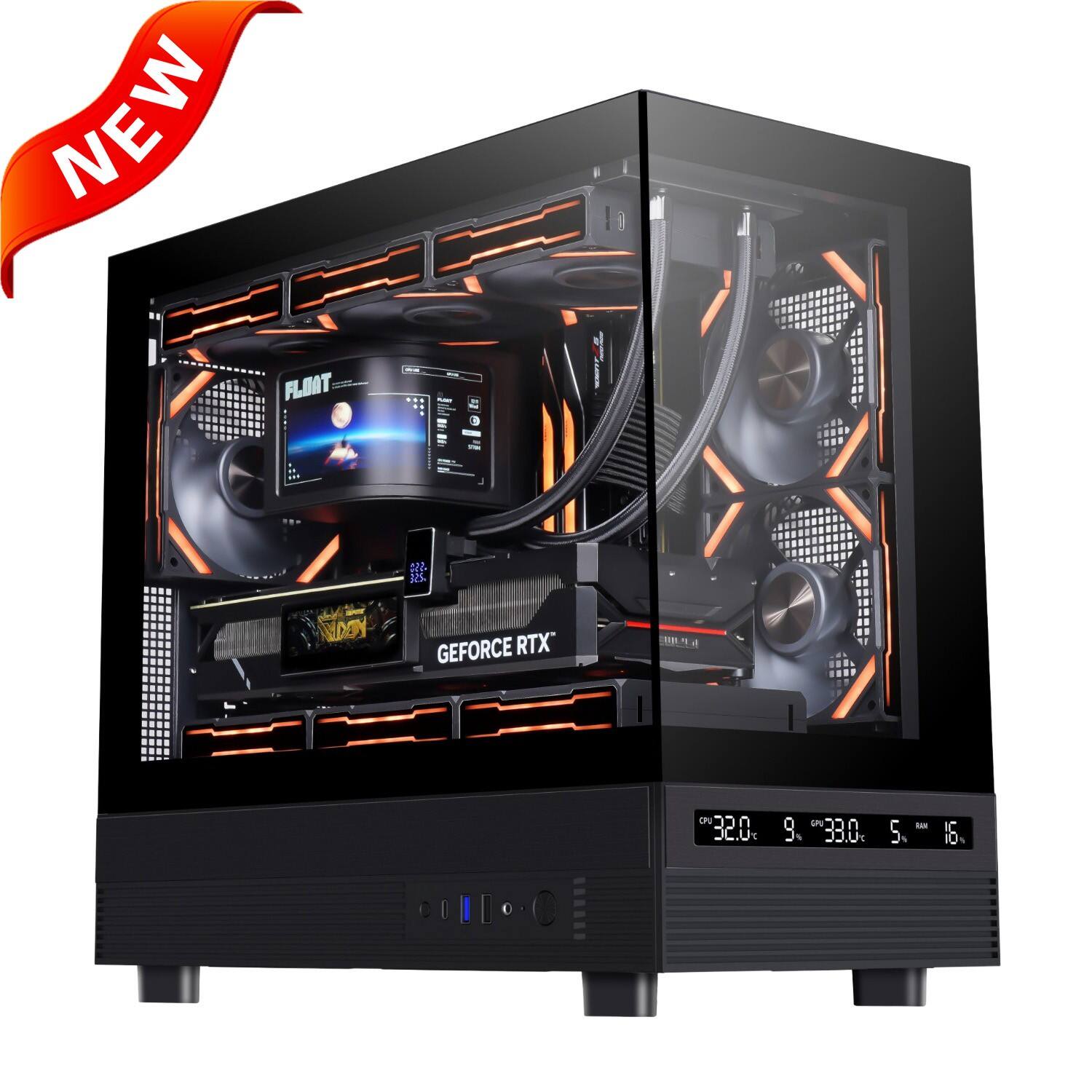
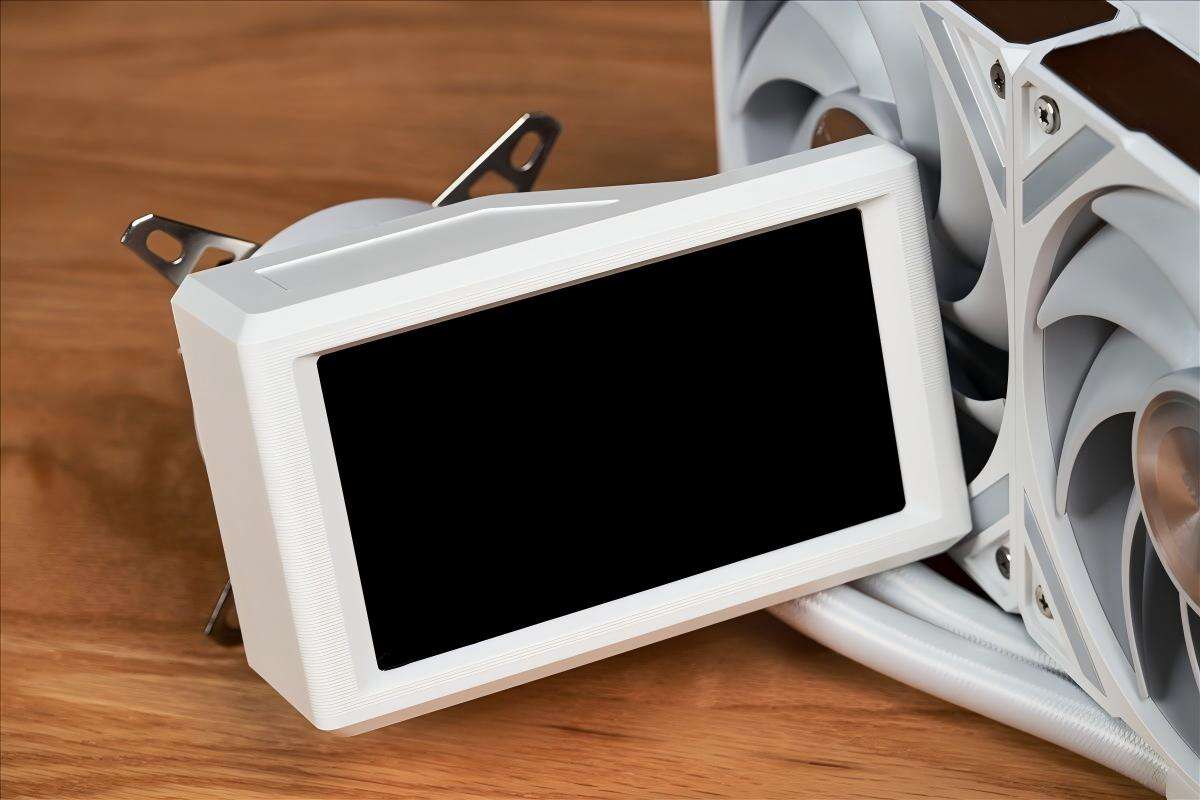
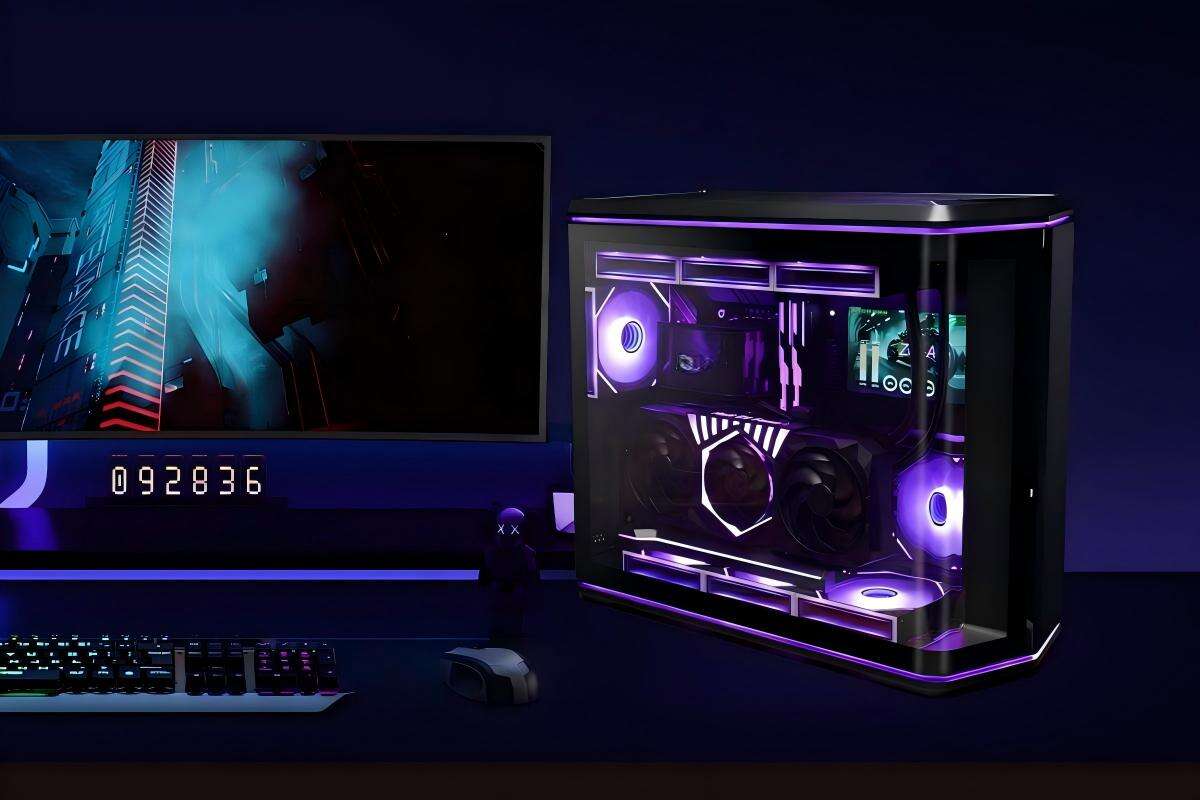
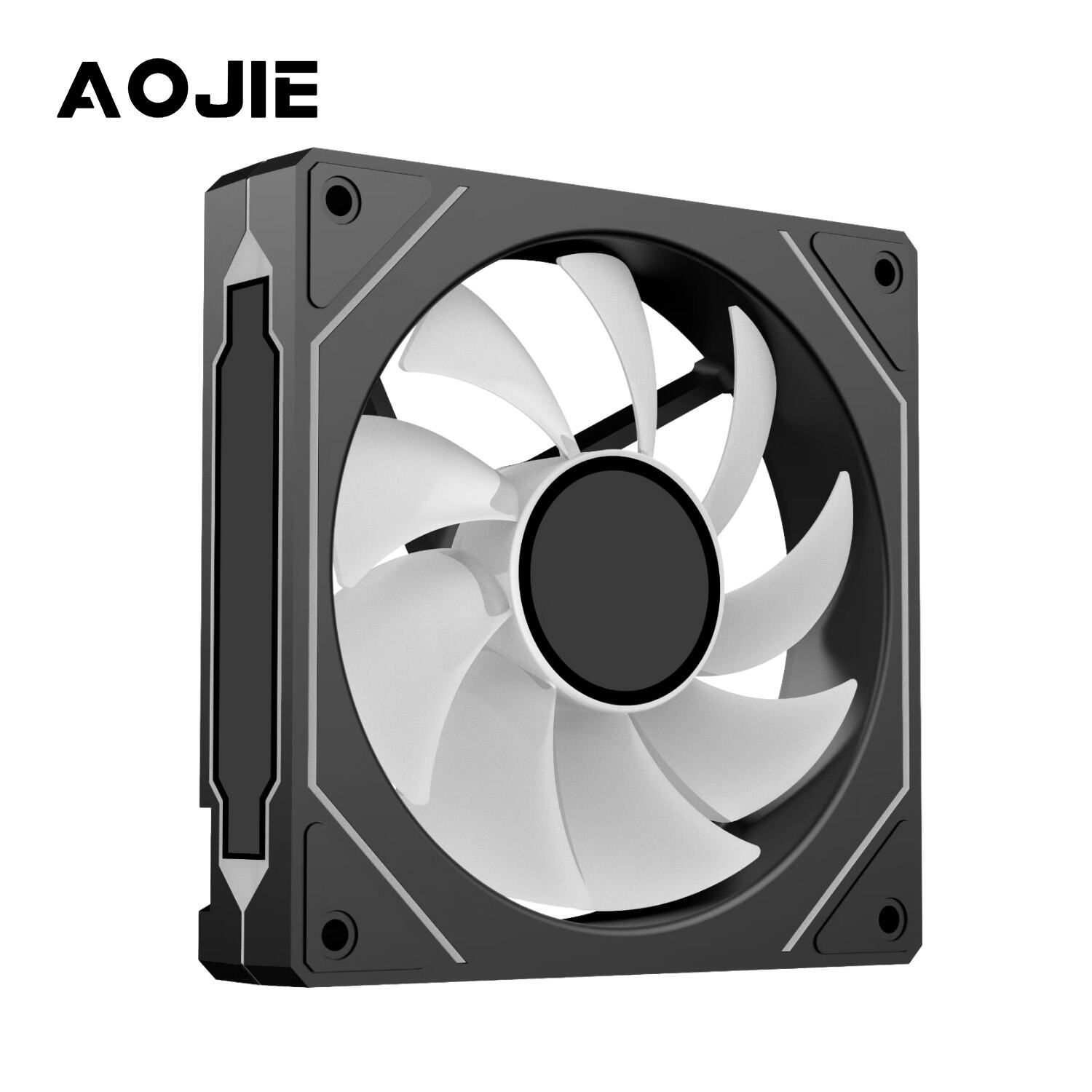
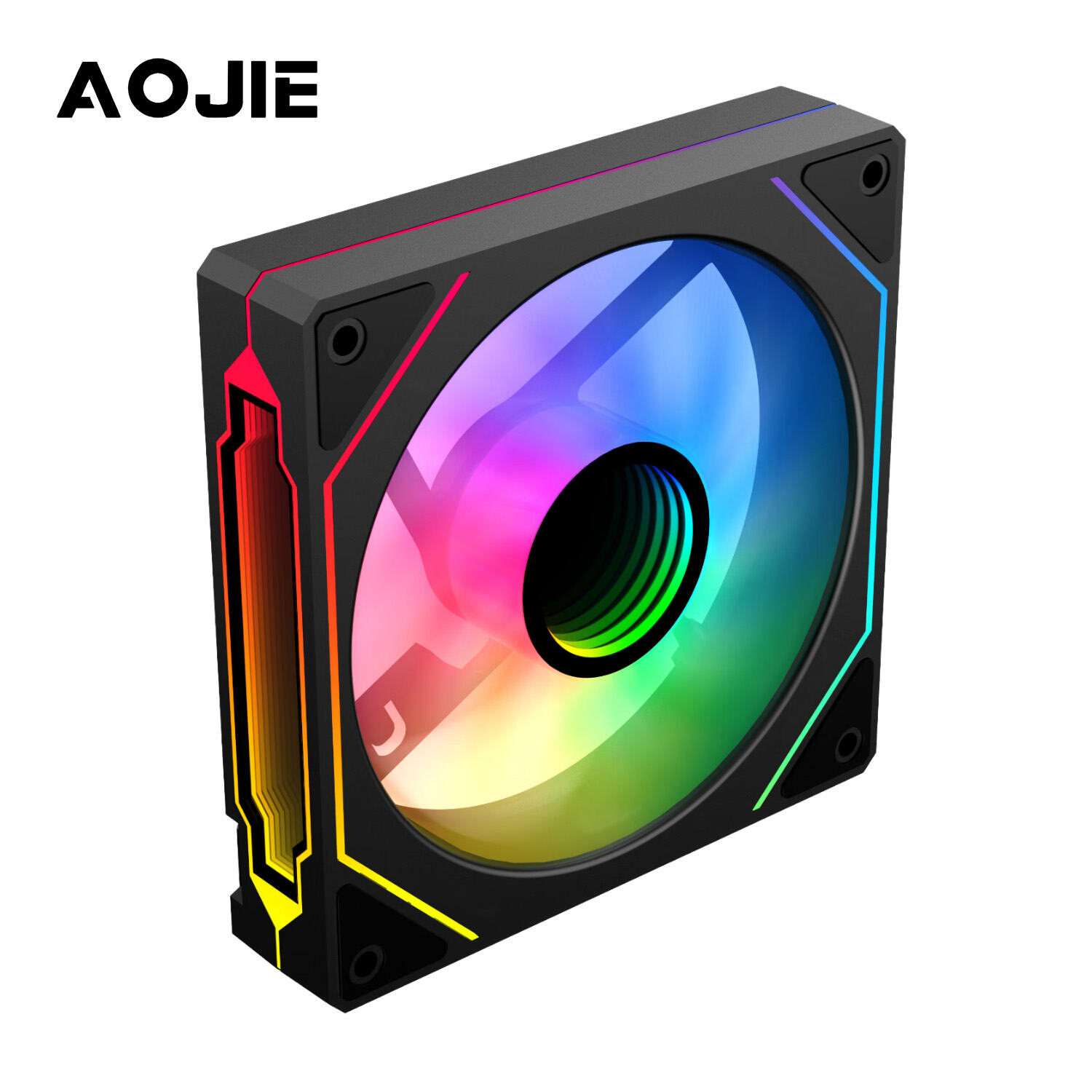
A fan cooler for pc represents an essential component in modern computer systems, designed to maintain optimal operating temperatures for various hardware components. This cooling solution utilizes rotating blades to create airflow that dissipates heat generated by processors, graphics cards, and other electronic components during operation. The fan cooler for pc operates on the principle of forced convection, where mechanical fans move air across heat-generating surfaces to transfer thermal energy away from critical components. These cooling devices come in multiple configurations, including case fans, CPU coolers, and GPU cooling systems, each tailored for specific thermal management requirements. Modern fan cooler for pc units incorporate advanced bearing technologies such as fluid dynamic bearings, magnetic levitation systems, and rifle bearings to ensure smooth operation and extended lifespan. The technological features of these cooling solutions include variable speed control through PWM signals, allowing dynamic adjustment based on temperature readings from integrated sensors. Many fan cooler for pc models feature RGB lighting systems that provide aesthetic enhancement while maintaining primary cooling functionality. The construction typically involves high-grade materials including aluminum heat sinks, copper heat pipes, and reinforced polymer fan blades designed to withstand continuous operation under varying thermal loads. Applications for fan cooler for pc systems span across gaming computers, workstations, servers, and everyday desktop systems where thermal management directly impacts performance and component longevity. Professional applications include data centers, cryptocurrency mining operations, and high-performance computing environments where sustained cooling performance becomes critical for operational reliability. The integration of smart cooling technologies allows modern fan cooler for pc units to communicate with system monitoring software, providing real-time temperature data and enabling automated thermal management protocols that optimize both cooling efficiency and acoustic performance.
 ×
×

 EN
EN