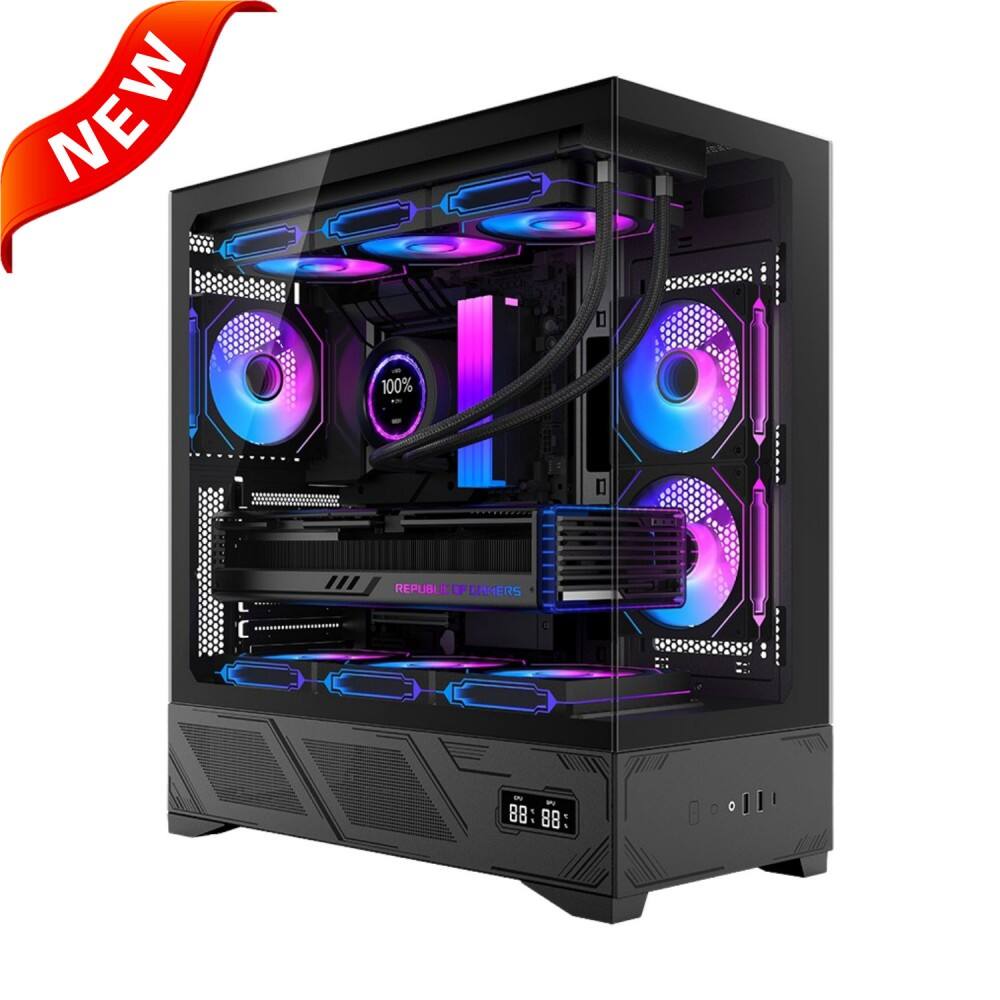
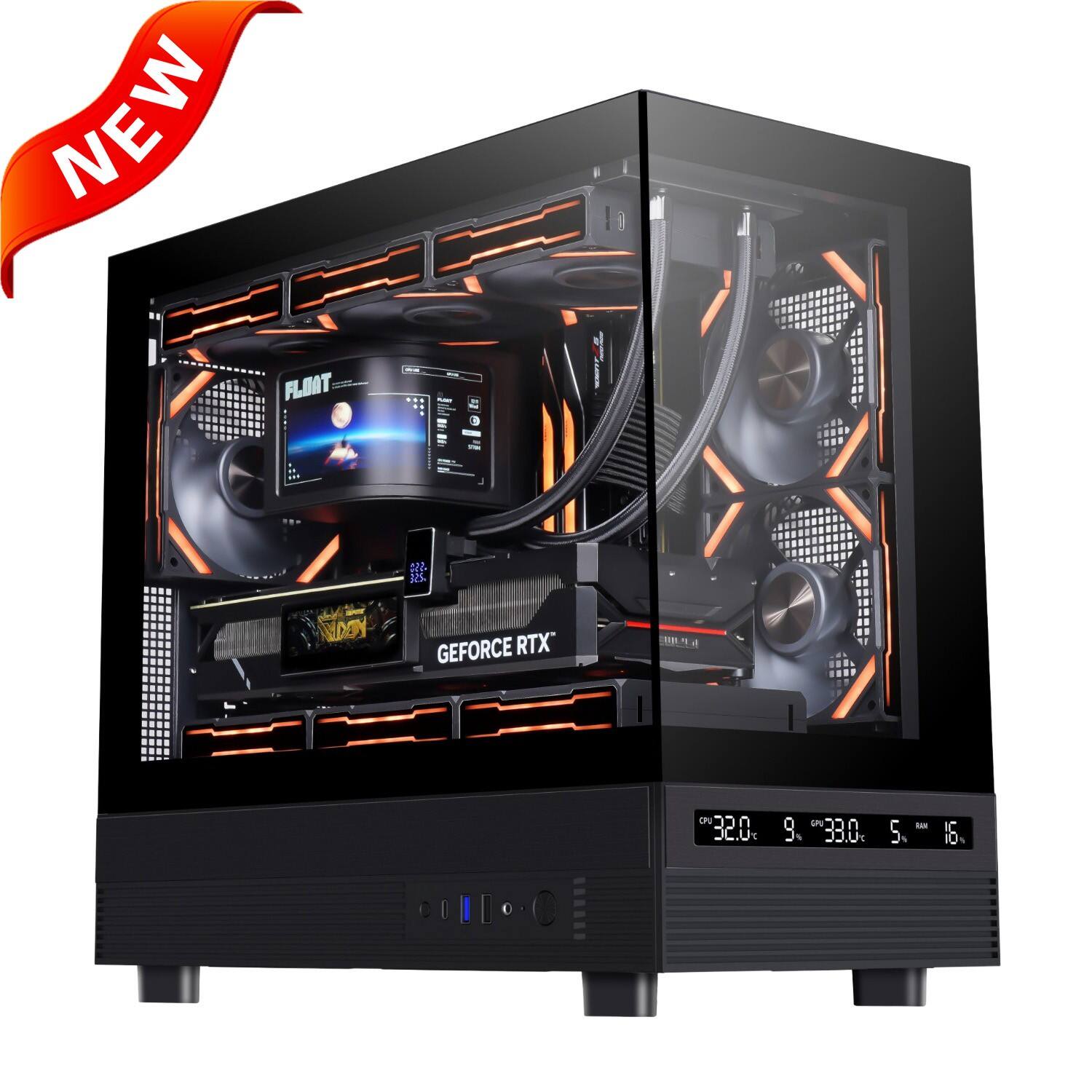
High-Performance Computer Case Fans - Advanced Cooling Solutions for Gaming PCs and Workstations

Get a Free Quote

Our representative will contact you soon.
Email
Name
Company Name
Message
0/1000

computer case fan

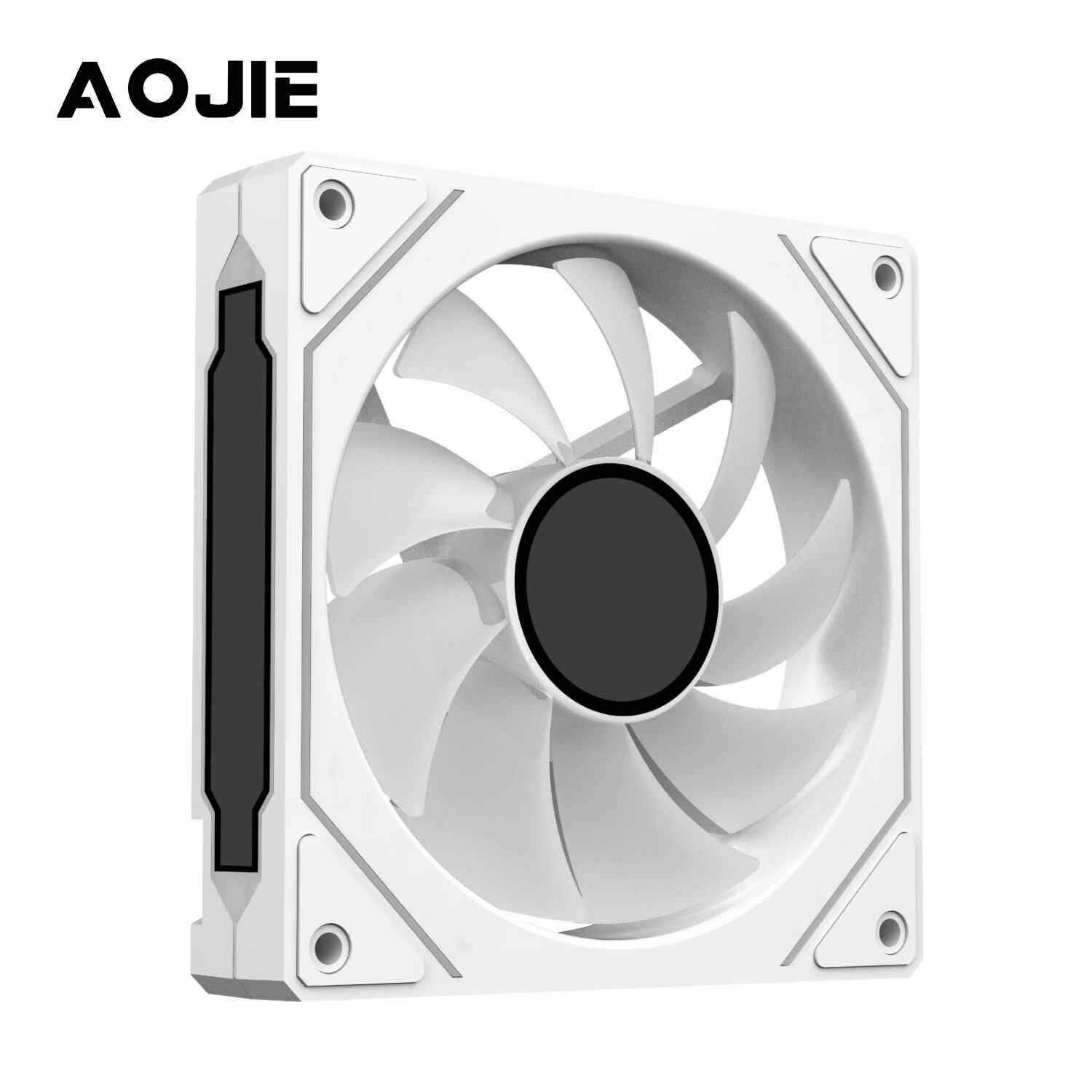
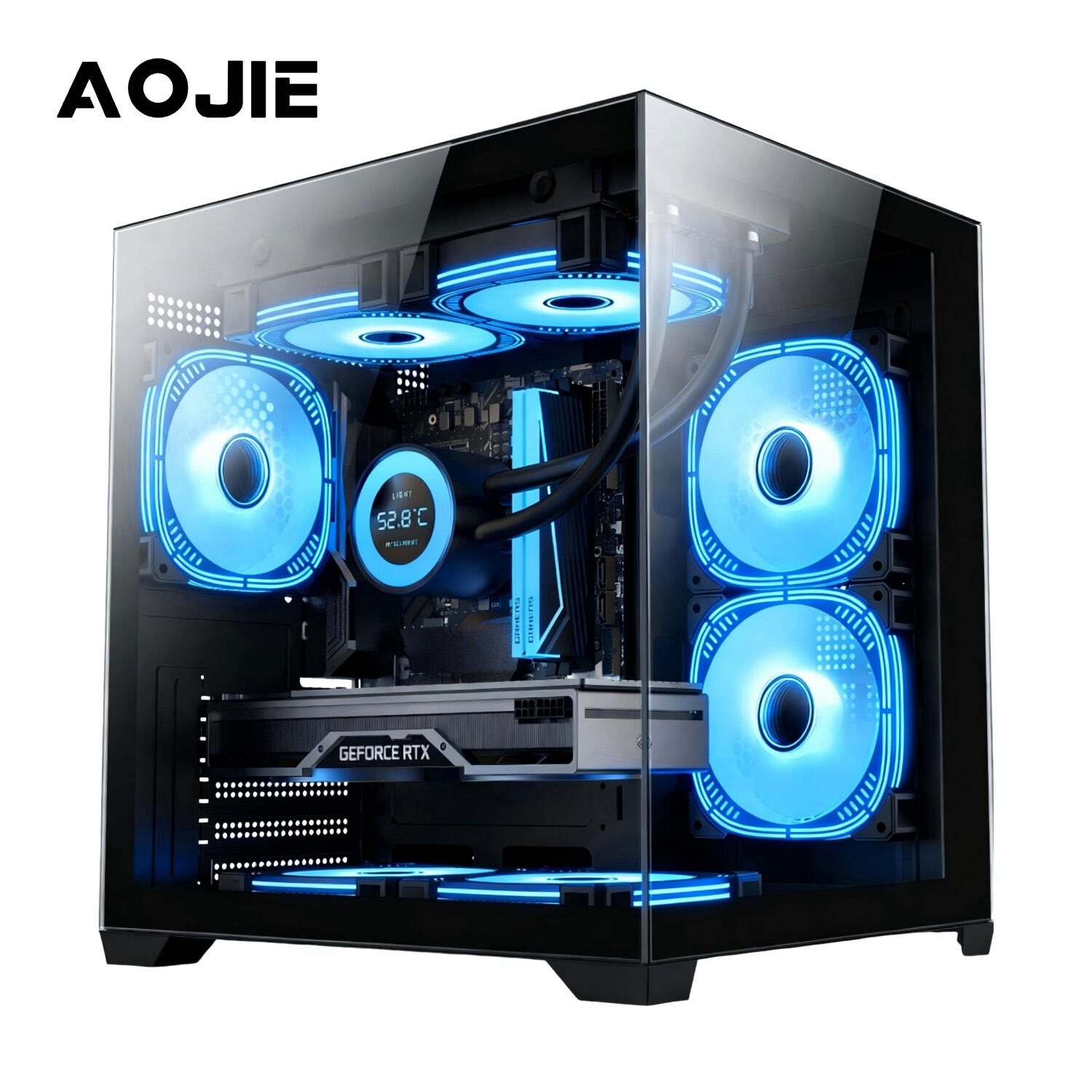
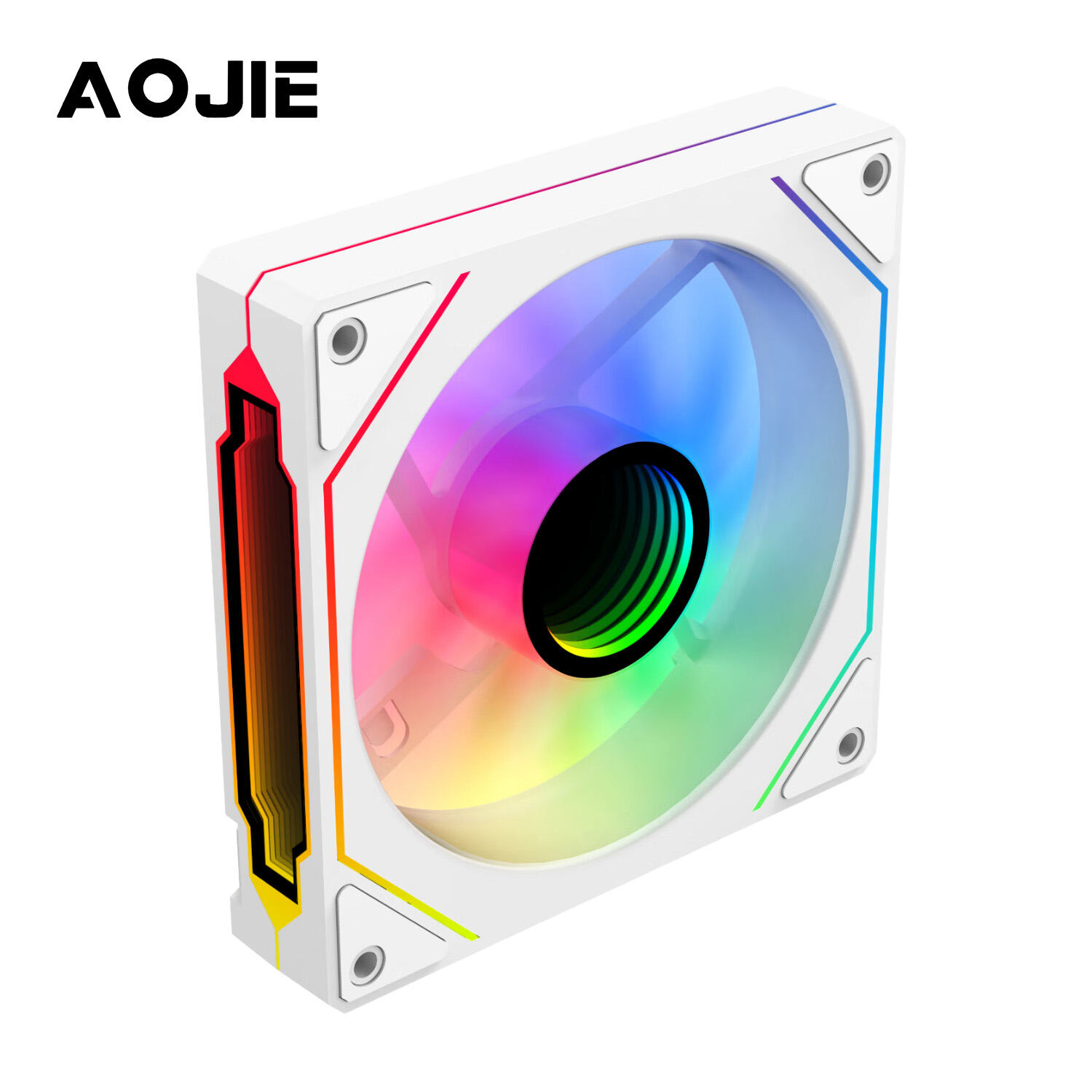
A computer case fan serves as a critical cooling component designed to maintain optimal temperatures within desktop computers and workstations. These specialized ventilation devices work by creating airflow patterns that remove heat generated by internal components such as processors, graphics cards, power supplies, and hard drives. The primary function of a computer case fan involves drawing cool air into the system while simultaneously exhausting heated air, preventing thermal buildup that could damage sensitive electronic components or reduce system performance. Modern computer case fans incorporate advanced blade designs, precision bearings, and variable speed controls to deliver efficient cooling while minimizing noise levels. The technological features of contemporary computer case fans include PWM control capabilities, allowing motherboards to automatically adjust fan speeds based on temperature readings. Many models feature fluid dynamic bearings or magnetic levitation technology, which extends operational lifespan while reducing friction and vibration. RGB lighting integration has become increasingly popular, enabling users to customize their system aesthetics while maintaining superior cooling performance. Computer case fans typically range from 80mm to 200mm in diameter, with larger fans generally providing greater airflow at lower RPM speeds, resulting in quieter operation. The applications for computer case fans extend across various computing environments, from basic office workstations to high-performance gaming rigs and professional workstations. Gaming enthusiasts particularly benefit from robust cooling solutions that prevent thermal throttling during intensive gaming sessions. Content creators working with video editing, 3D rendering, and streaming applications rely on effective case ventilation to maintain consistent performance during resource-intensive tasks. Data centers and server environments utilize industrial-grade computer case fans to ensure reliable operation of mission-critical systems. The strategic placement of intake and exhaust fans creates positive or negative pressure configurations, optimizing airflow patterns throughout the entire computer case for maximum cooling efficiency.

New Product Recommendations

Computer case fans deliver substantial benefits that directly impact system performance, longevity, and user experience across all computing applications. The most significant advantage involves temperature regulation, where effective airflow management prevents overheating that could trigger automatic shutdowns or permanent component damage. By maintaining optimal operating temperatures, a computer case fan enables processors and graphics cards to sustain peak performance levels without thermal throttling, ensuring consistent frame rates in games and faster rendering times in professional applications. The extended component lifespan represents another crucial benefit, as excessive heat accelerates electronic component degradation and failure rates. Quality computer case fans protect expensive investments in high-end processors, memory modules, and storage devices by creating stable thermal environments that promote long-term reliability. Noise reduction technology in modern computer case fans addresses user comfort concerns by incorporating advanced blade geometries and bearing systems that minimize operational noise while maximizing airflow efficiency. This balance proves essential for professionals working in quiet environments or gamers who prefer immersive audio experiences without mechanical distractions. Energy efficiency improvements through intelligent speed control allow computer case fans to adapt their power consumption based on real-time cooling demands, reducing electricity costs while maintaining adequate thermal management. The installation simplicity of computer case fans makes them accessible upgrades for users of all technical skill levels, typically requiring only basic screwdriver operations and standard mounting points found in virtually all computer cases. Customization options through RGB lighting and aesthetic designs enable users to personalize their systems while achieving functional cooling objectives. The cost-effectiveness of computer case fans compared to alternative cooling solutions makes them attractive investments for budget-conscious builders and upgraders. Prevention of dust accumulation through proper airflow management helps maintain system cleanliness and reduces maintenance requirements. Performance stability during demanding workloads ensures that content creators, gamers, and professionals can rely on consistent system behavior without unexpected slowdowns or crashes caused by thermal issues.

Latest News

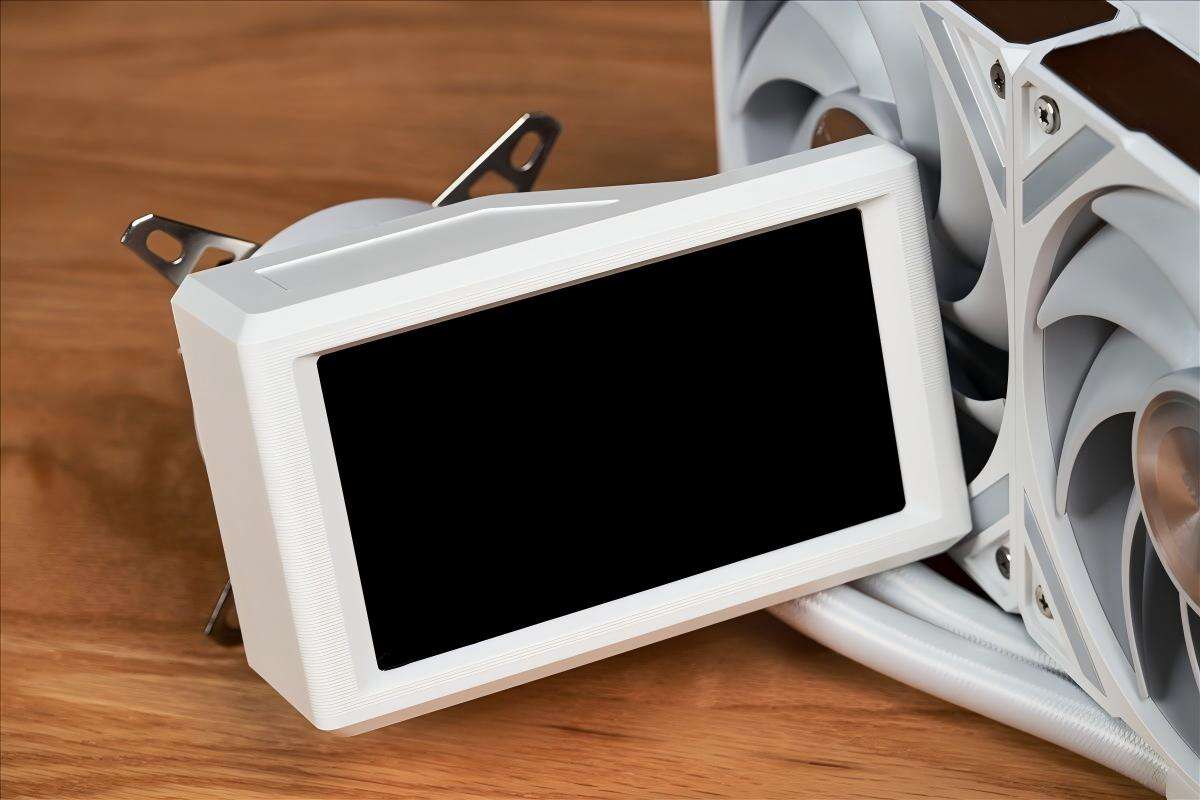
AOJIE YC360-G Display: Redefining AIO Liquid Cooling with a Hidden-Tube Design and a Detachable 5-Inch OLED Screen

05

Feb

AOJIE YC360-G Display: Redefining AIO Liquid Cooling with a Hidden-Tube Design and a Detachable 5-Inch OLED Screen

View More
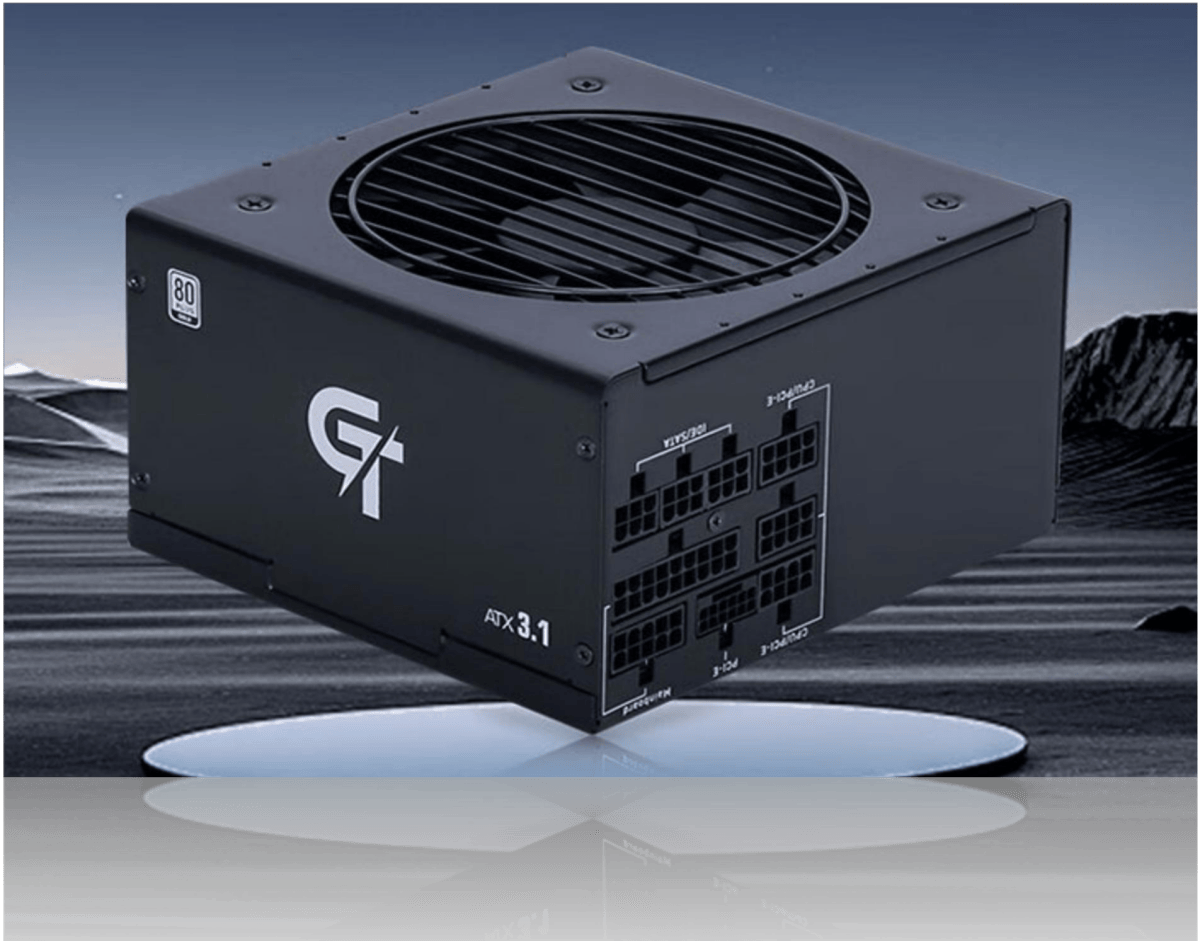
AOJIE Unveils the GT Series Gold Fully Modular Power Supply: Redefining Stability & Efficiency with ATX 3.1 Standard

05

Feb

AOJIE Unveils the GT Series Gold Fully Modular Power Supply: Redefining Stability & Efficiency with ATX 3.1 Standard

View More
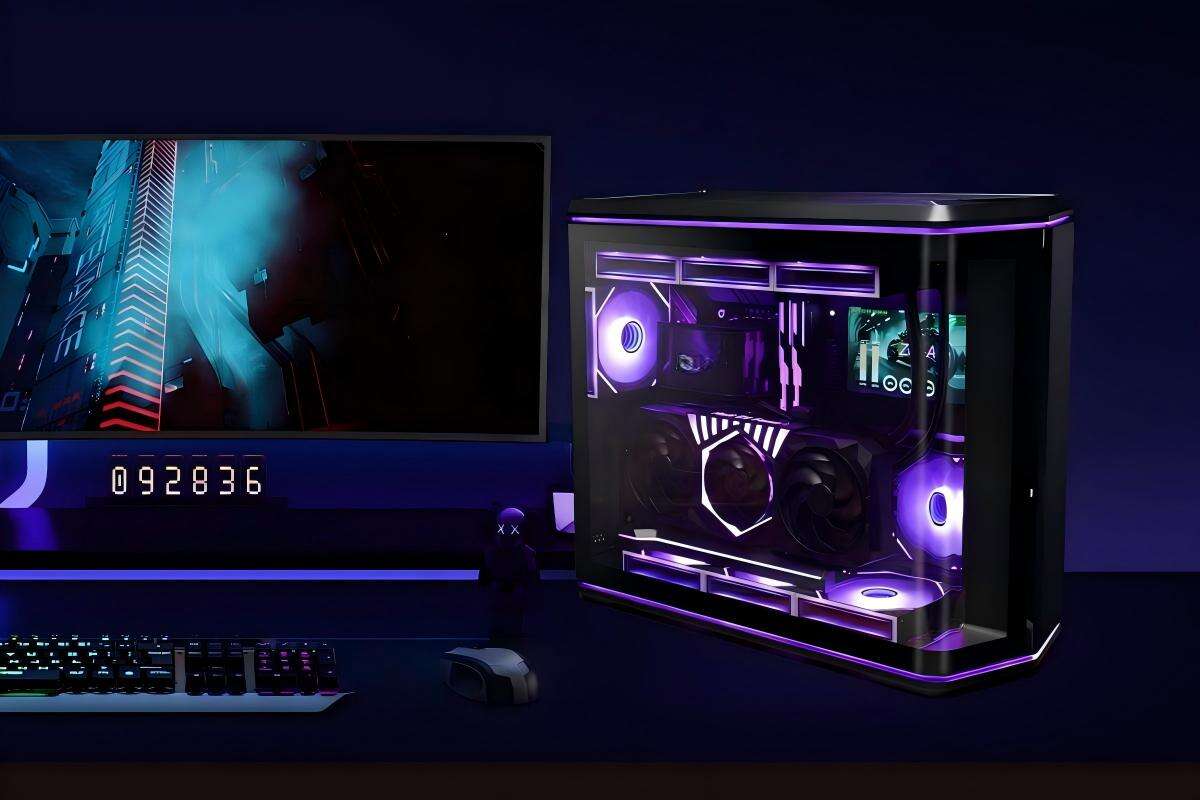
AOJIE Unveils the 235AX Curve: Redefining ATX Aesthetics with an Innovative Curved Glass Gaming PC Case

05

Feb

AOJIE Unveils the 235AX Curve: Redefining ATX Aesthetics with an Innovative Curved Glass Gaming PC Case

View More

Get a Free Quote

Our representative will contact you soon.
Email
Name
Company Name
Message
0/1000

computer case fan

Advanced PWM Speed Control Technology

Advanced PWM Speed Control Technology

The integration of Pulse Width Modulation technology in modern computer case fans represents a revolutionary advancement in cooling efficiency and noise management. PWM control allows the motherboard to dynamically adjust fan speeds based on real-time temperature readings from various system sensors, creating an intelligent cooling response that adapts to changing thermal loads. This sophisticated control mechanism enables computer case fans to operate at minimal speeds during light usage scenarios, such as web browsing or document editing, significantly reducing noise levels while maintaining adequate airflow for basic cooling requirements. When system temperatures rise during demanding tasks like gaming, video rendering, or data processing, the PWM controller automatically increases fan speeds to provide enhanced cooling capacity exactly when needed. The precision of PWM speed control extends far beyond simple on-off functionality, offering smooth speed transitions across the entire operational range, typically from 20% to 100% of maximum RPM. This granular control eliminates the abrupt speed changes that characterize older fan technologies, resulting in a more pleasant user experience with reduced noise fluctuations. The energy efficiency benefits of PWM control become particularly apparent during extended computing sessions, where the computer case fan operates at optimal speeds rather than running constantly at maximum capacity. Professional workstations benefit enormously from PWM technology during workflows that alternate between intensive processing and idle periods, as the cooling system adapts seamlessly to varying thermal demands. Gaming enthusiasts appreciate the responsive nature of PWM-controlled computer case fans that ramp up quickly during intense gaming sessions while returning to whisper-quiet operation during desktop navigation or light applications. The compatibility of PWM technology with modern motherboard monitoring software enables users to create custom fan curves that prioritize either maximum cooling performance or minimum noise levels based on individual preferences and usage patterns.
Magnetic Levitation Bearing System

Magnetic Levitation Bearing System

Magnetic levitation bearing technology in computer case fans eliminates traditional mechanical contact points, delivering unprecedented reliability, longevity, and performance consistency that surpasses conventional bearing designs. This innovative approach utilizes magnetic fields to suspend the fan rotor, completely removing friction-based wear mechanisms that typically limit operational lifespan in traditional ball bearing or sleeve bearing systems. The absence of physical contact between moving parts means that magnetic levitation computer case fans can operate continuously for years without experiencing the gradual performance degradation associated with mechanical wear. The superior rotational stability achieved through magnetic suspension results in perfectly balanced operation that eliminates vibrations and associated noise, creating an exceptionally quiet cooling solution ideal for professional environments, content creation studios, and noise-sensitive applications. The enhanced precision of magnetic levitation technology enables computer case fans to maintain consistent airflow delivery throughout their operational lifespan, ensuring reliable thermal management performance that remains stable over extended periods. This consistency proves particularly valuable for mission-critical applications where cooling reliability directly impacts system uptime and data integrity. The reduced maintenance requirements of magnetic levitation computer case fans translate into lower total cost of ownership, as users can depend on consistent performance without the need for periodic replacement or servicing that traditional bearing systems often require. The temperature resilience of magnetic bearing technology allows these computer case fans to operate effectively across wider temperature ranges, maintaining performance characteristics even in challenging thermal environments. Professional overclockers and enthusiasts particularly value the precise speed control capabilities enabled by magnetic levitation systems, which respond accurately to PWM signals without the speed fluctuations sometimes associated with mechanical bearing friction. The vibration isolation properties of magnetic suspension prevent the transmission of operational vibrations to the computer case structure, reducing resonance effects that can amplify noise levels in acoustically sensitive installations. Gaming systems benefit from the consistent performance delivery that ensures stable cooling during extended gaming sessions without the gradual speed reduction that can occur with worn mechanical bearings.
Optimized Airflow Design and Static Pressure

Optimized Airflow Design and Static Pressure

The aerodynamic engineering behind modern computer case fans focuses on maximizing airflow efficiency while optimizing static pressure characteristics to overcome resistance from dust filters, radiators, and dense component layouts. Advanced blade geometries incorporate swept designs, variable pitch angles, and precision-molded profiles that channel air with minimal turbulence and maximum volume displacement. These sophisticated computer case fan designs balance the competing requirements of high airflow for general case ventilation and adequate static pressure for applications requiring air movement through restrictive pathways. The blade count optimization in premium computer case fans typically ranges from seven to thirteen blades, with each configuration engineered to minimize noise while maximizing air movement efficiency across different operational speeds. Computational fluid dynamics modeling guides the development of blade shapes that reduce air separation and minimize pressure losses, resulting in computer case fans that deliver superior performance per watt of power consumption. The hub design integration plays a crucial role in overall airflow optimization, with modern computer case fans featuring aerodynamically shaped hubs that minimize dead air zones and promote smooth air transition from the blade tips to the exhaust direction. Static pressure capabilities become particularly important when computer case fans must overcome the resistance presented by radiators in liquid cooling systems, dense dust filters, or tightly packed component arrangements common in compact gaming builds. The pressure-optimized variants of computer case fans maintain effective air movement even when operating against significant back-pressure, ensuring adequate cooling performance in challenging installation scenarios. The frame design of advanced computer case fans incorporates aerodynamic considerations that reduce air recirculation and promote laminar flow patterns, maximizing the effective air movement while minimizing energy losses. Performance testing validates that optimized computer case fan designs can achieve 15-25% higher airflow efficiency compared to conventional designs operating at equivalent noise levels. The scalability of airflow optimization allows computer case fans to deliver proportional performance benefits across different sizes, from compact 92mm units suitable for small form factor builds to large 200mm fans designed for maximum air movement in full tower cases.

Get a Free Quote

Our representative will contact you soon.
Email
Name
Company Name
Message
0/1000