cpu cooler price
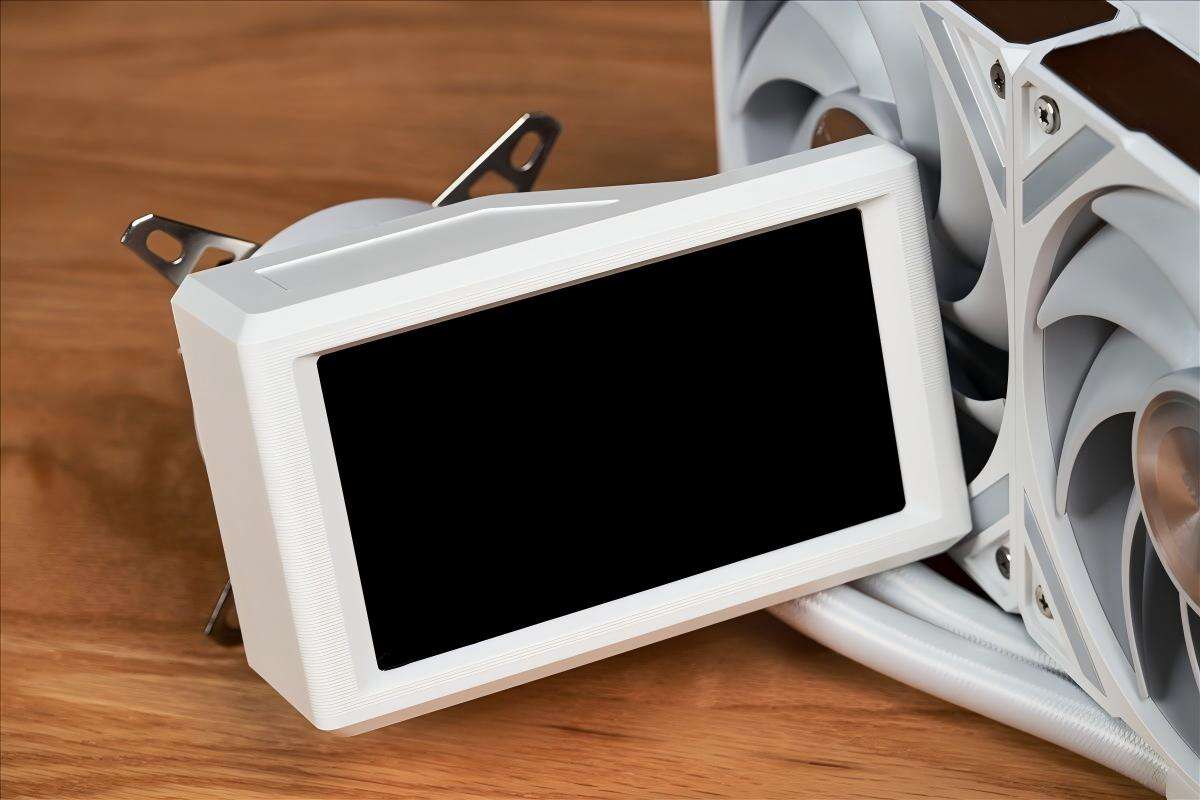
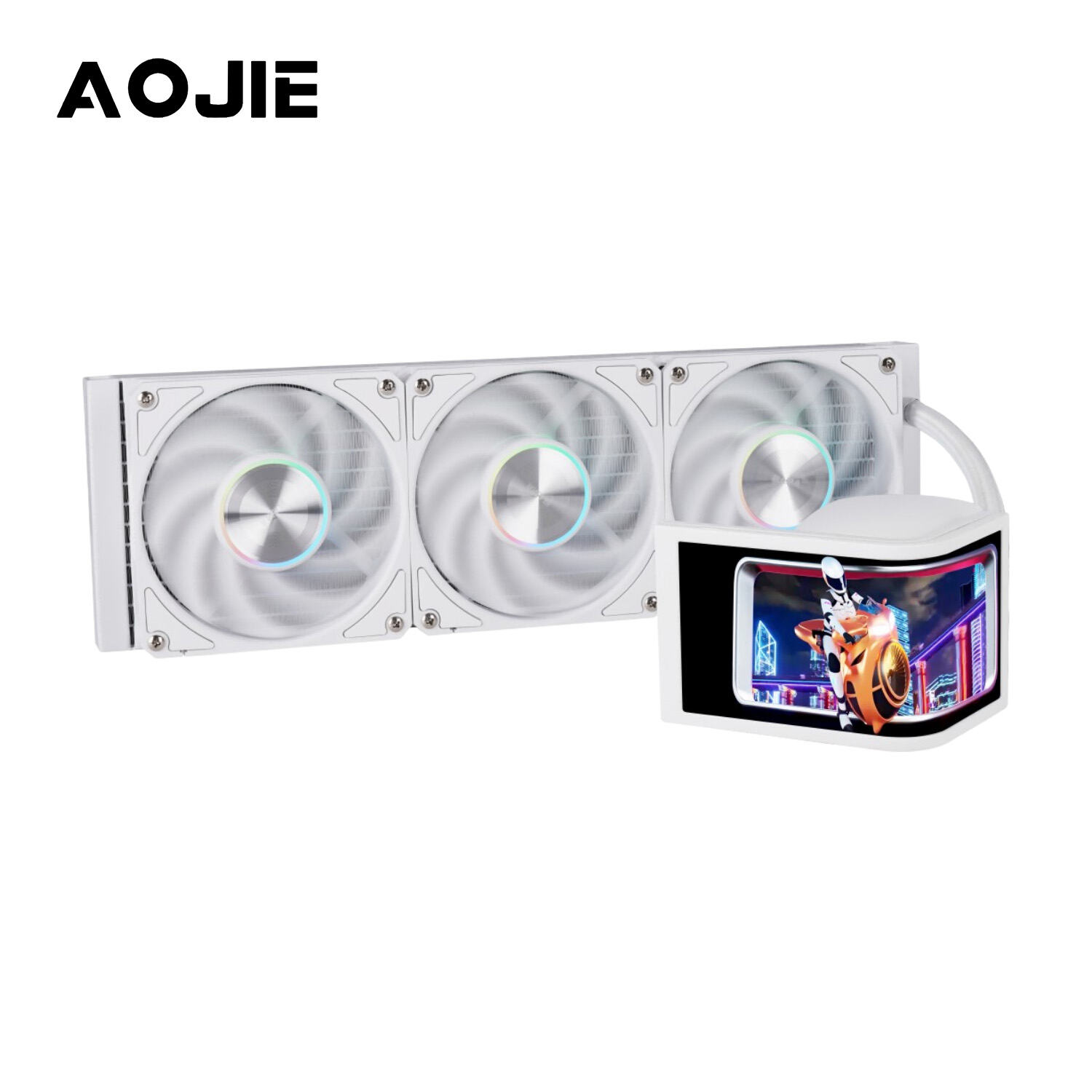
Understanding CPU cooler price dynamics is essential for anyone building or upgrading a computer system. The CPU cooler price market spans a wide range, from budget-friendly air coolers starting at fifteen dollars to premium liquid cooling solutions exceeding two hundred dollars. These cooling systems serve one primary function: maintaining optimal processor temperatures during operation. When processors work intensively, they generate substantial heat that can damage components and reduce performance without proper thermal management. CPU coolers address this challenge through various technological approaches, each with distinct price points and performance characteristics. Air coolers utilize heatsinks and fans to dissipate heat through convection, representing the most cost-effective cooling solution. Their CPU cooler price typically ranges from twenty to eighty dollars, making them accessible to budget-conscious builders. Liquid cooling systems employ pumps, radiators, and coolant to transfer heat more efficiently, commanding higher CPU cooler price points due to their complex engineering and superior performance. All-in-one liquid coolers usually cost between sixty and one hundred fifty dollars, while custom loop systems can exceed three hundred dollars. The CPU cooler price reflects several factors including material quality, manufacturing precision, thermal performance rating, and brand reputation. Premium coolers incorporate advanced features like RGB lighting, low-noise operation, and enhanced compatibility with various socket types. Applications for CPU coolers extend across all computing scenarios, from basic office computers requiring minimal cooling to high-performance gaming rigs and workstations demanding maximum thermal efficiency. Professional content creators, cryptocurrency miners, and overclocking enthusiasts particularly benefit from investing in higher CPU cooler price segments. The technological features influencing CPU cooler price include heat pipe quantity and diameter, fin density and design, fan specifications, mounting mechanisms, and thermal interface materials. Understanding these elements helps consumers make informed decisions when evaluating CPU cooler price options for their specific computing needs and budget constraints.
 ×
×


 EN
EN