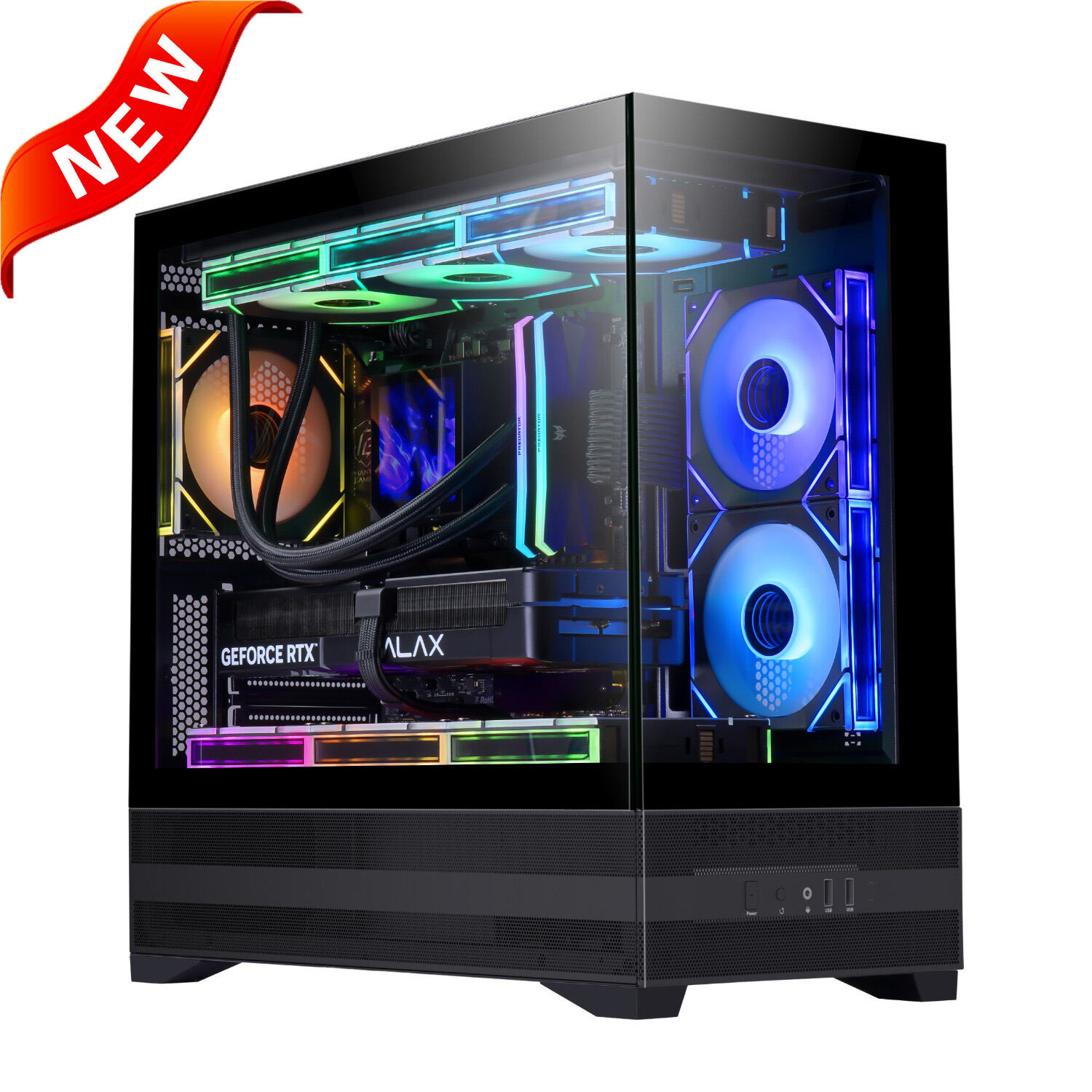
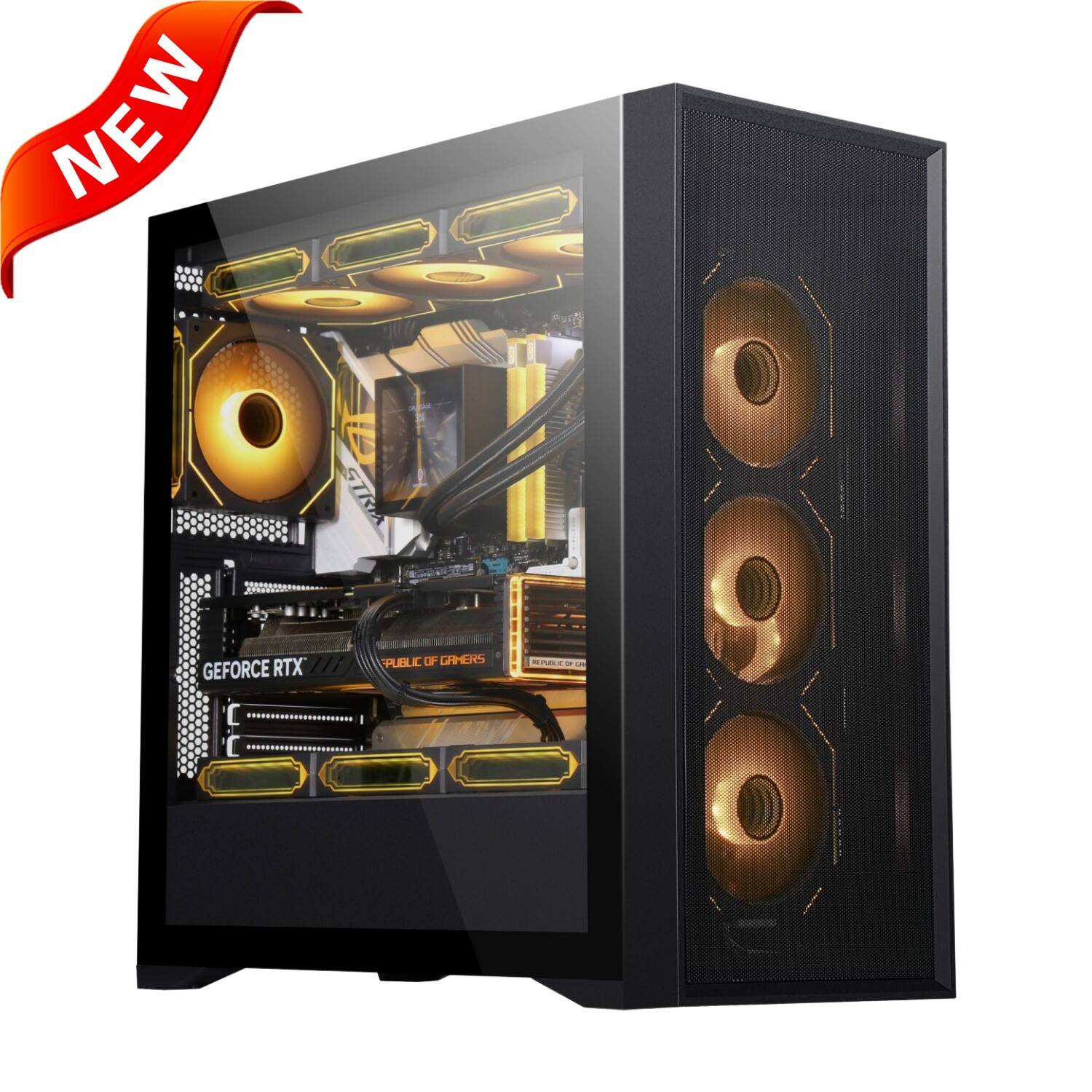
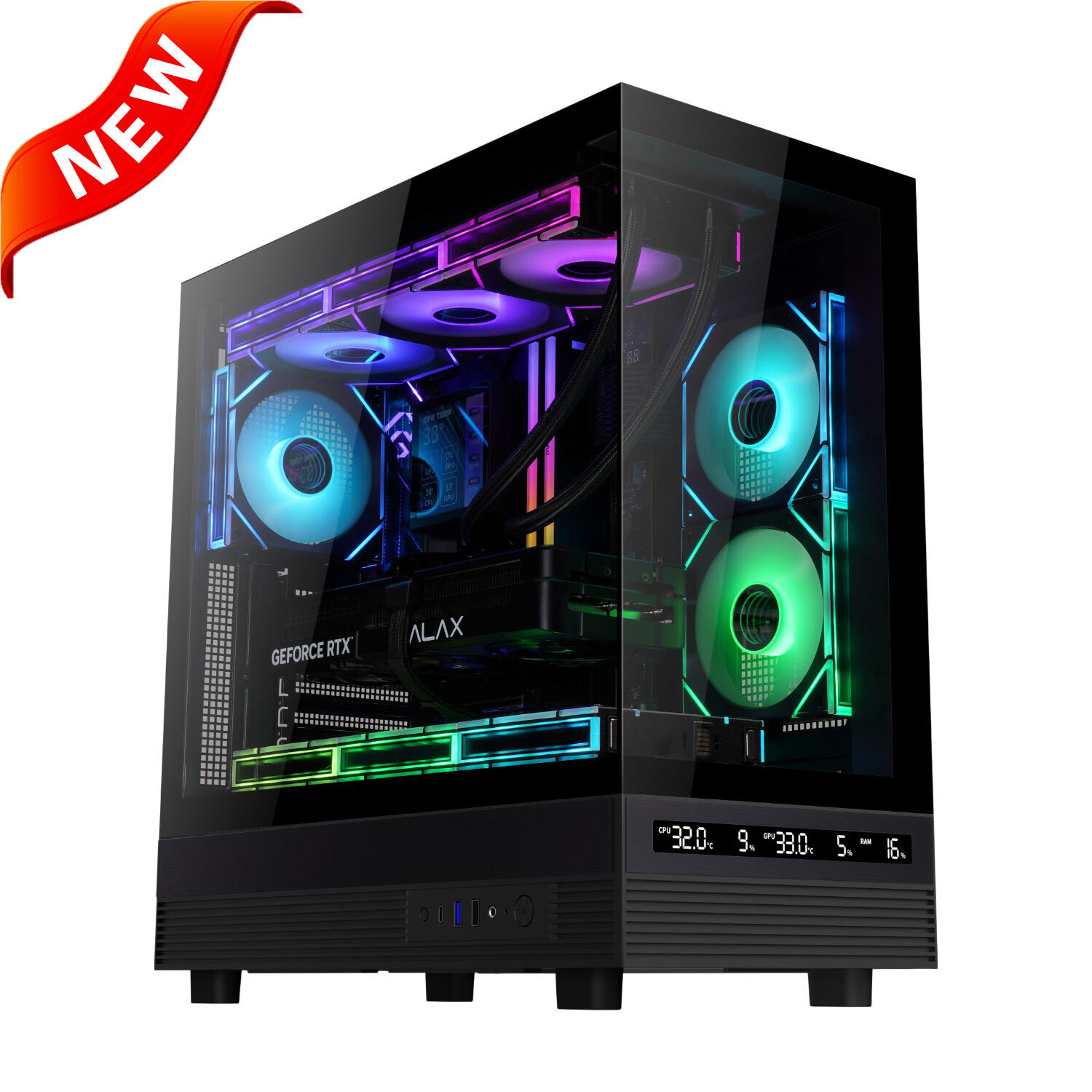
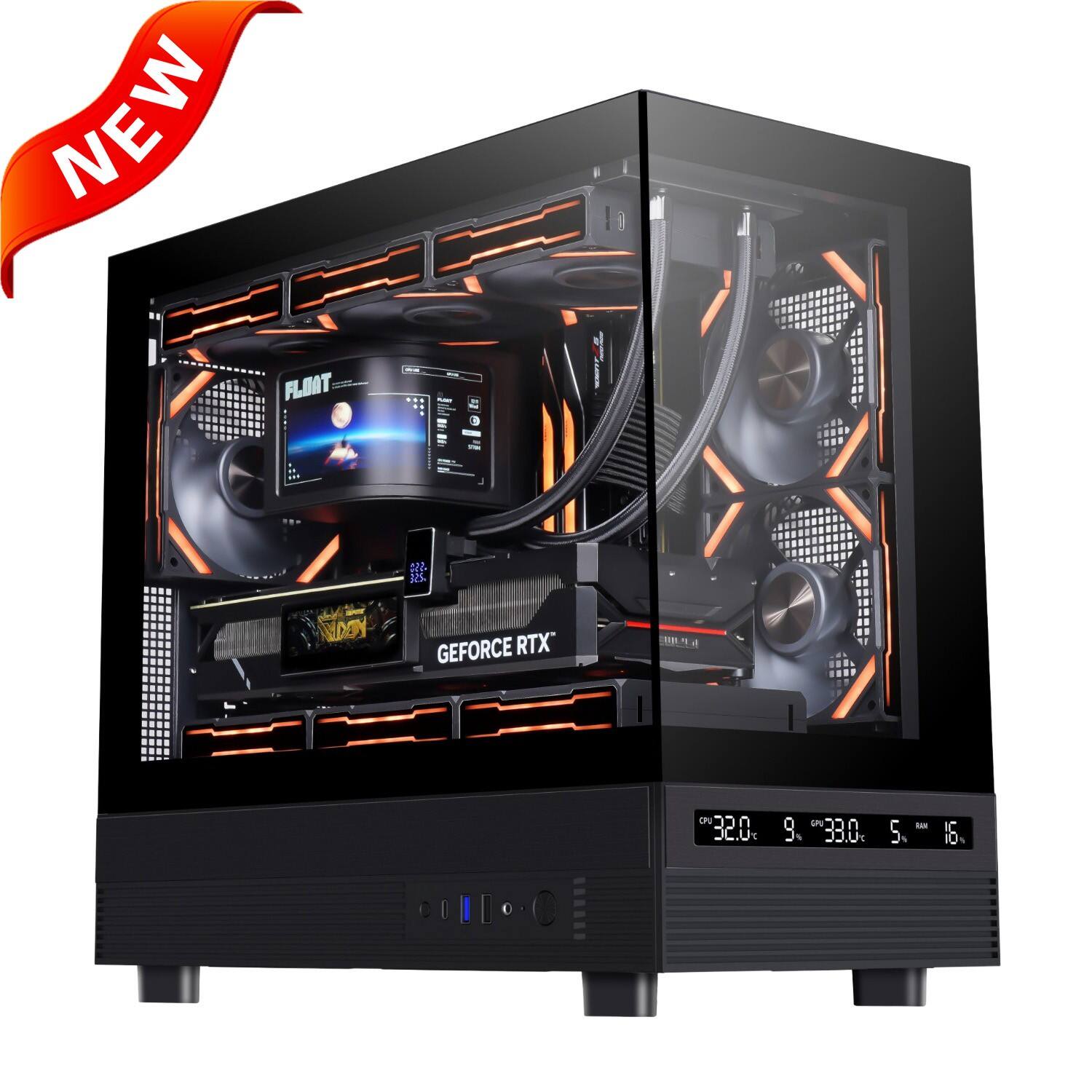
computer case manufacturer
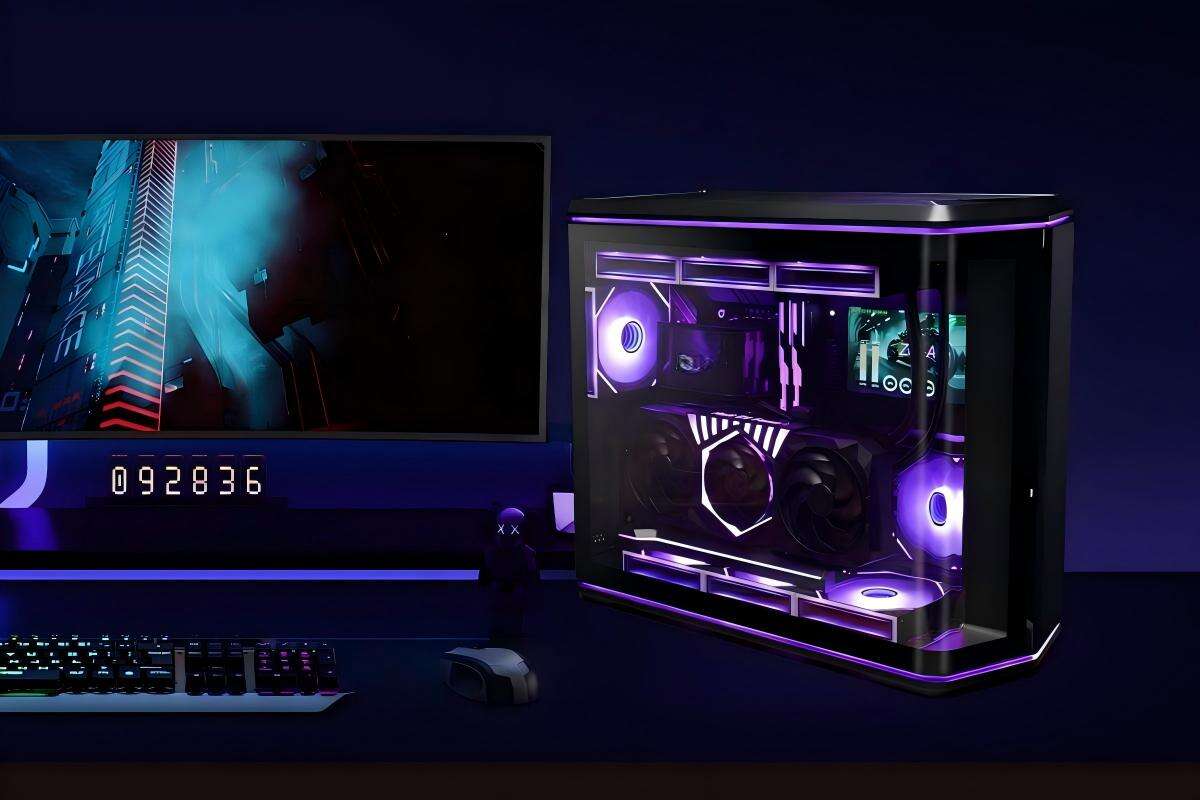
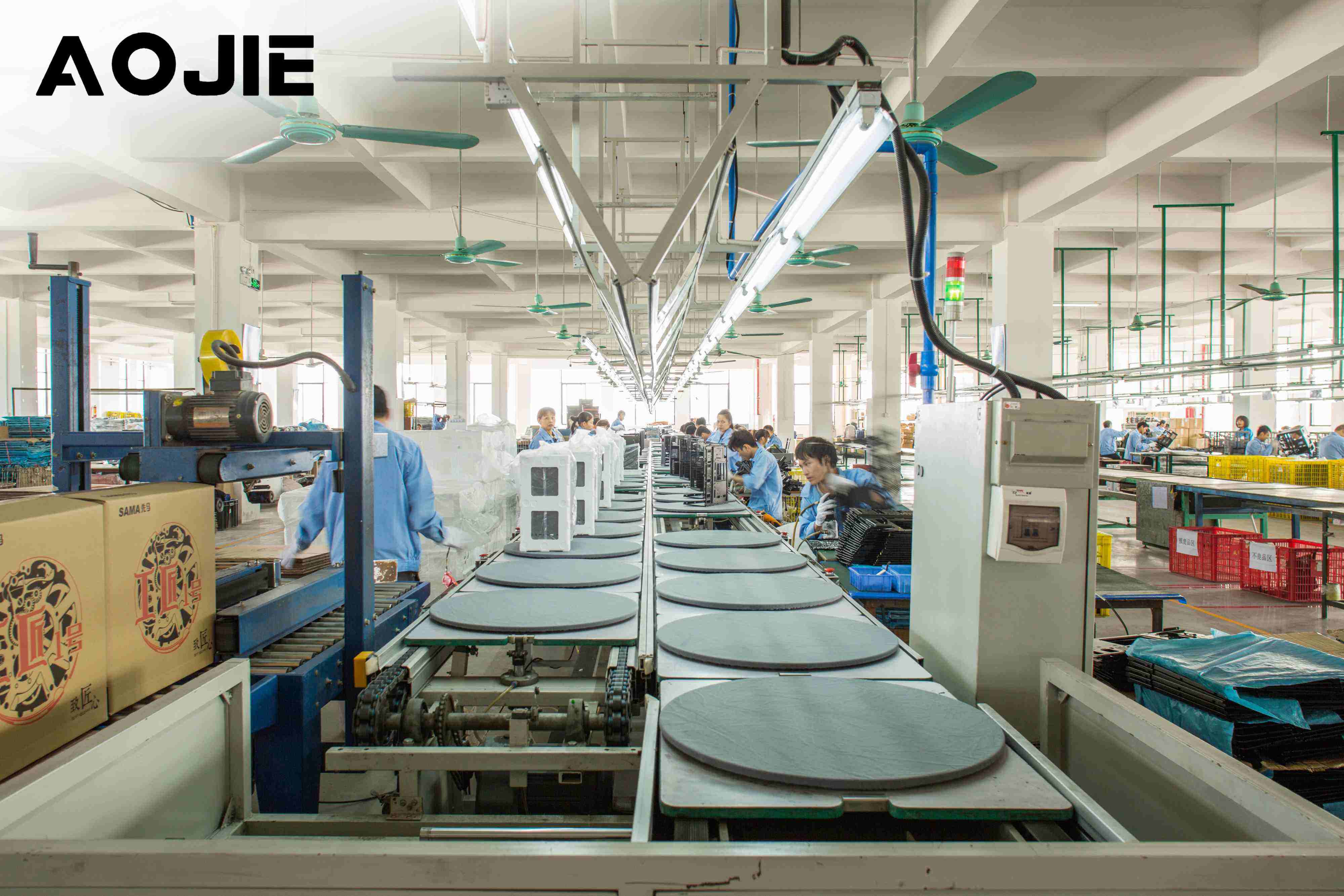
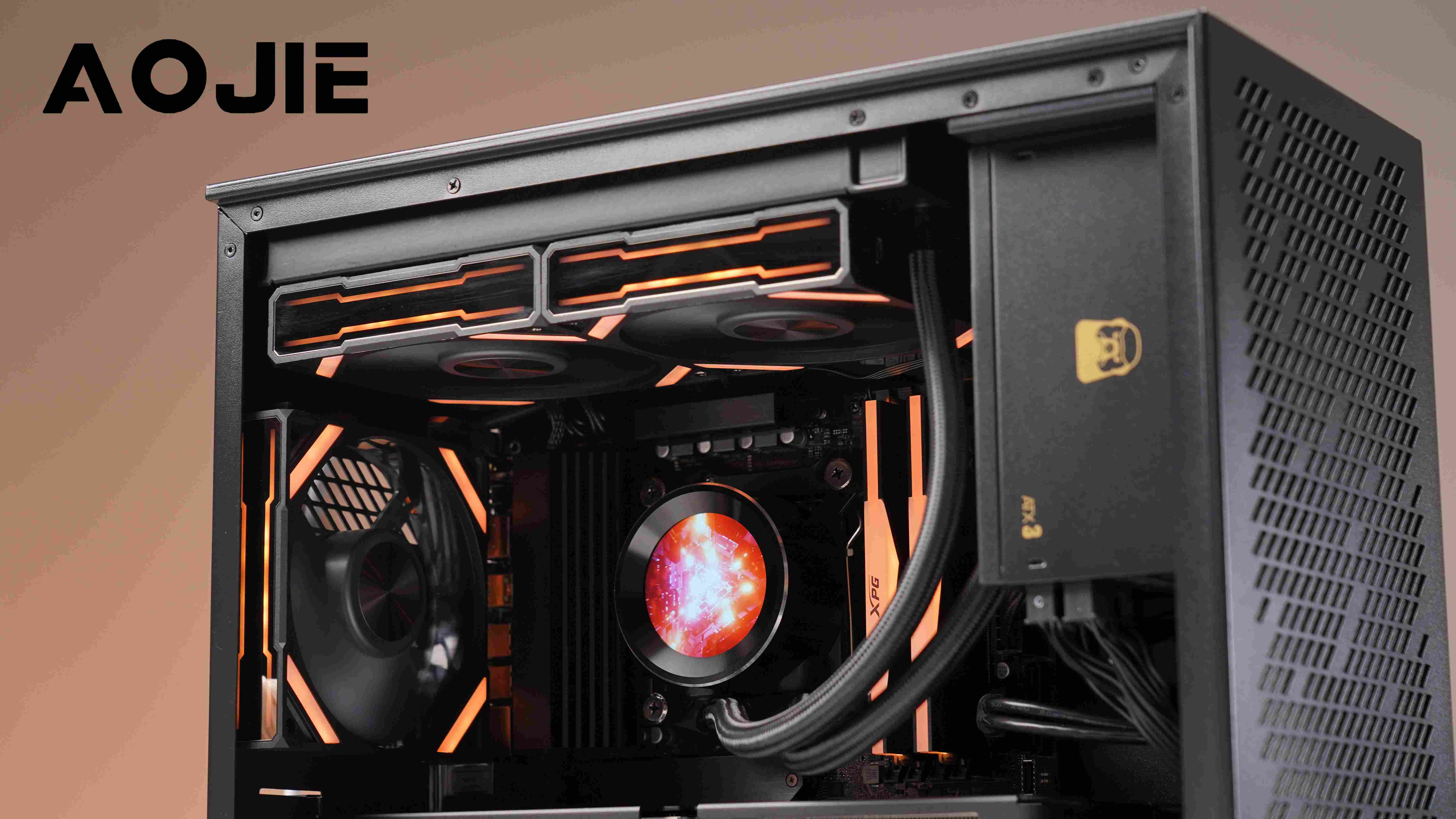
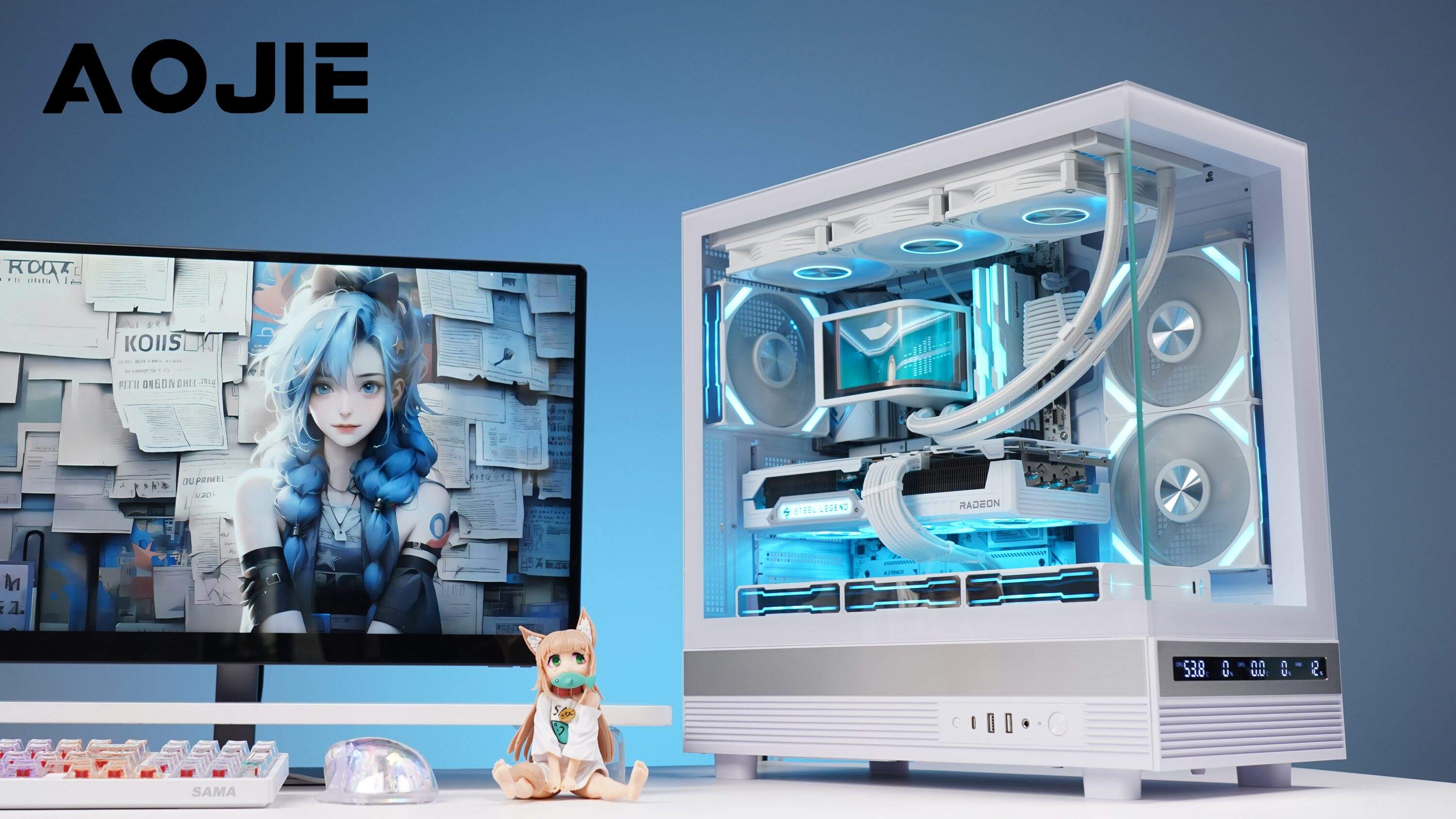
A computer case manufacturer serves as the backbone of modern computing infrastructure, designing and producing essential protective housings that safeguard internal computer components while facilitating optimal performance. These specialized manufacturers engineer robust enclosures that accommodate motherboards, power supplies, storage devices, and cooling systems within carefully structured frameworks. The primary function of a computer case manufacturer extends beyond simple protection, encompassing thermal management, electromagnetic interference shielding, and aesthetic design considerations that appeal to diverse consumer markets. Modern computer case manufacturer operations integrate advanced materials science, precision manufacturing techniques, and ergonomic design principles to create products that meet evolving technological demands. These manufacturers utilize steel, aluminum, tempered glass, and specialized polymers to construct cases that balance durability with weight considerations. The manufacturing process involves computer-aided design software, laser cutting technology, powder coating systems, and quality assurance protocols that ensure consistent product reliability. Contemporary computer case manufacturer facilities incorporate automated assembly lines, robotic welding systems, and precision tooling to maintain production efficiency while meeting strict dimensional tolerances. The technological features implemented by leading computer case manufacturer companies include modular designs that accommodate various motherboard form factors, integrated cable management systems, and advanced airflow optimization structures. These manufacturers also develop specialized mounting systems for graphics cards, storage drives, and liquid cooling solutions that enhance system stability and performance. Applications for computer case manufacturer products span gaming enthusiasts, professional workstations, server environments, and industrial computing applications where reliability and thermal performance remain critical factors for operational success.
 ×
×
 EN
EN