Versatile Compatibility and Future-Proof Design
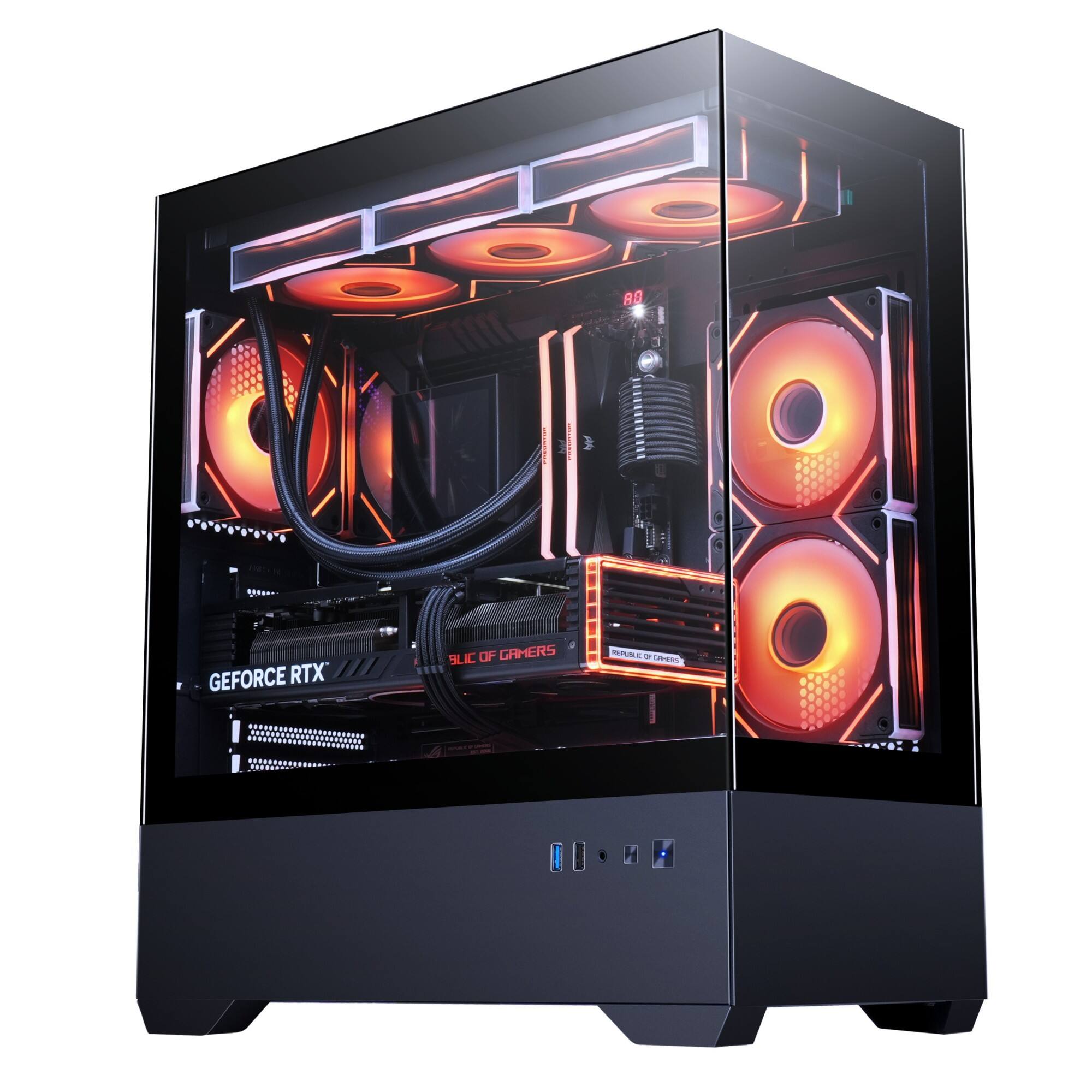
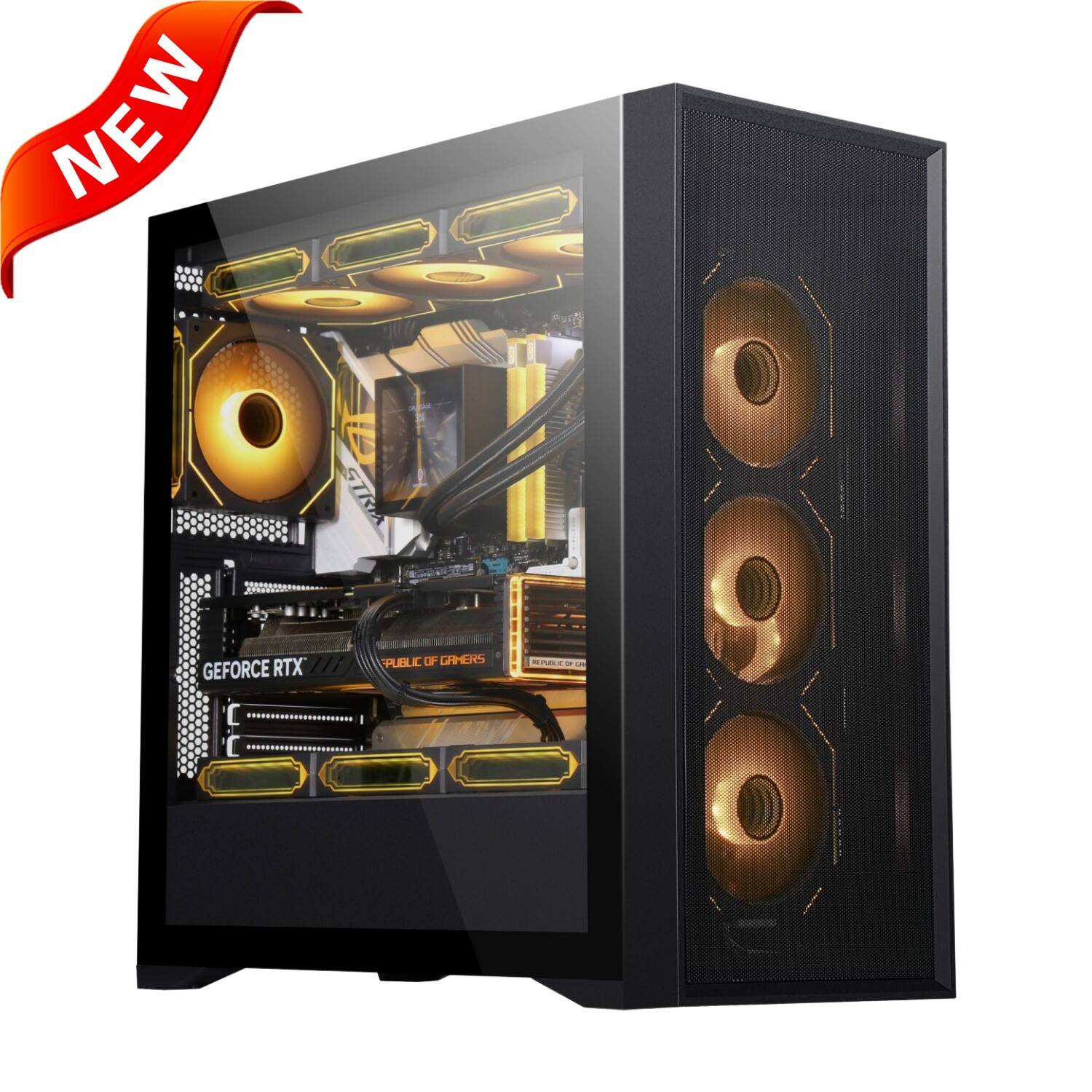
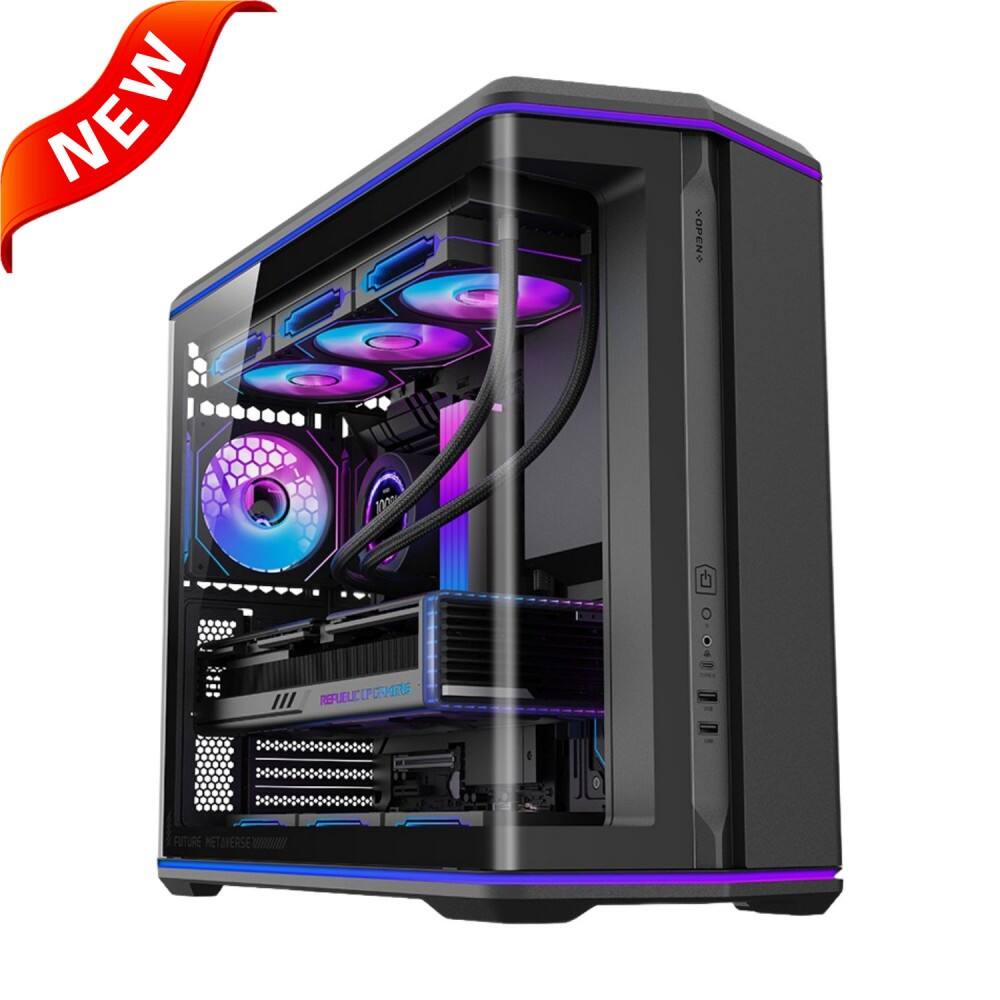
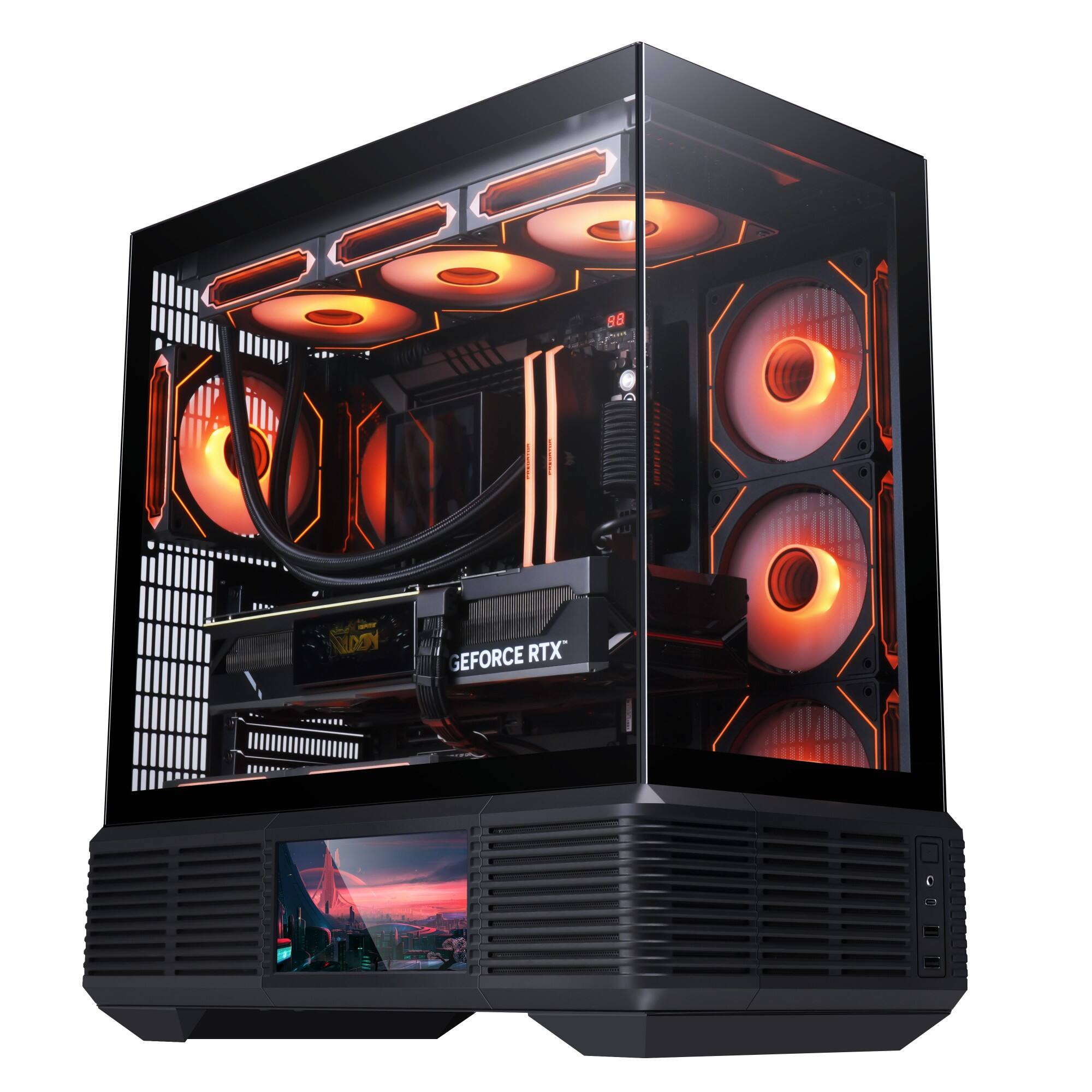
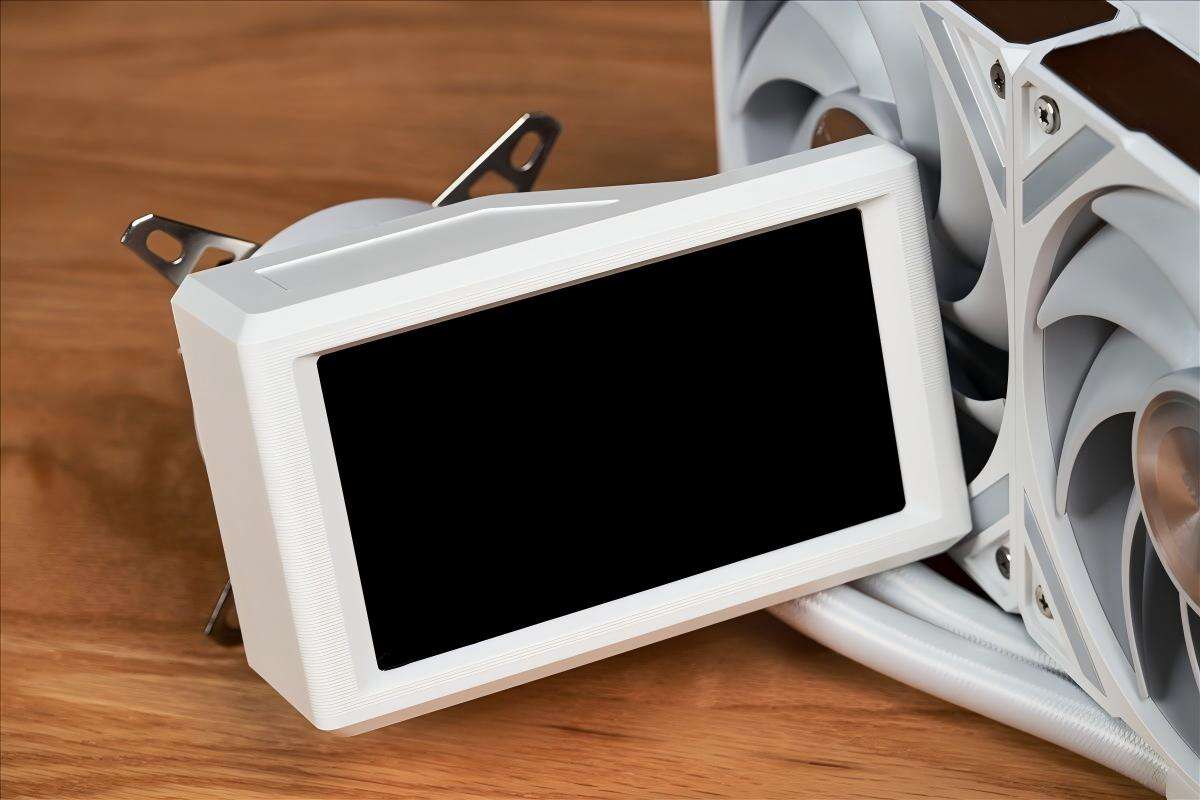
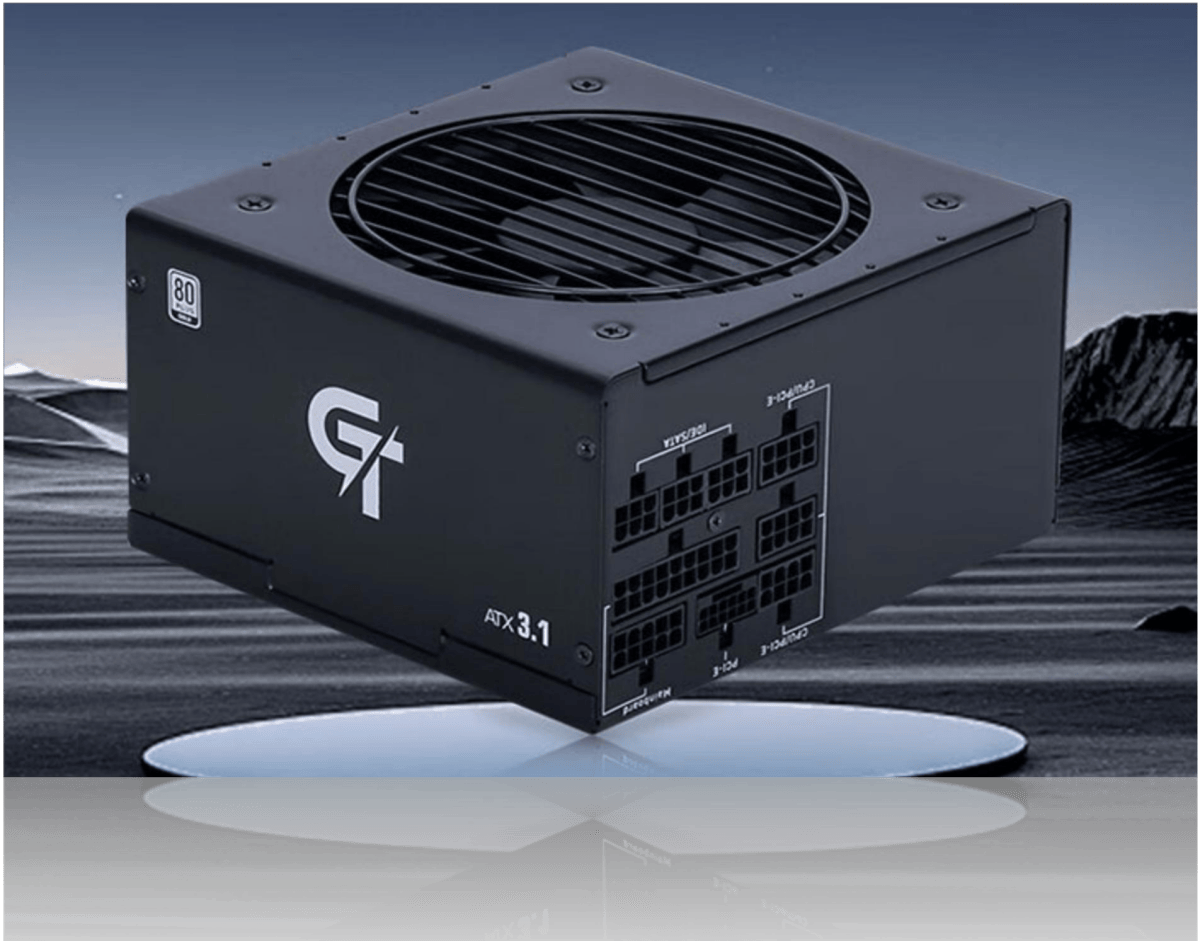
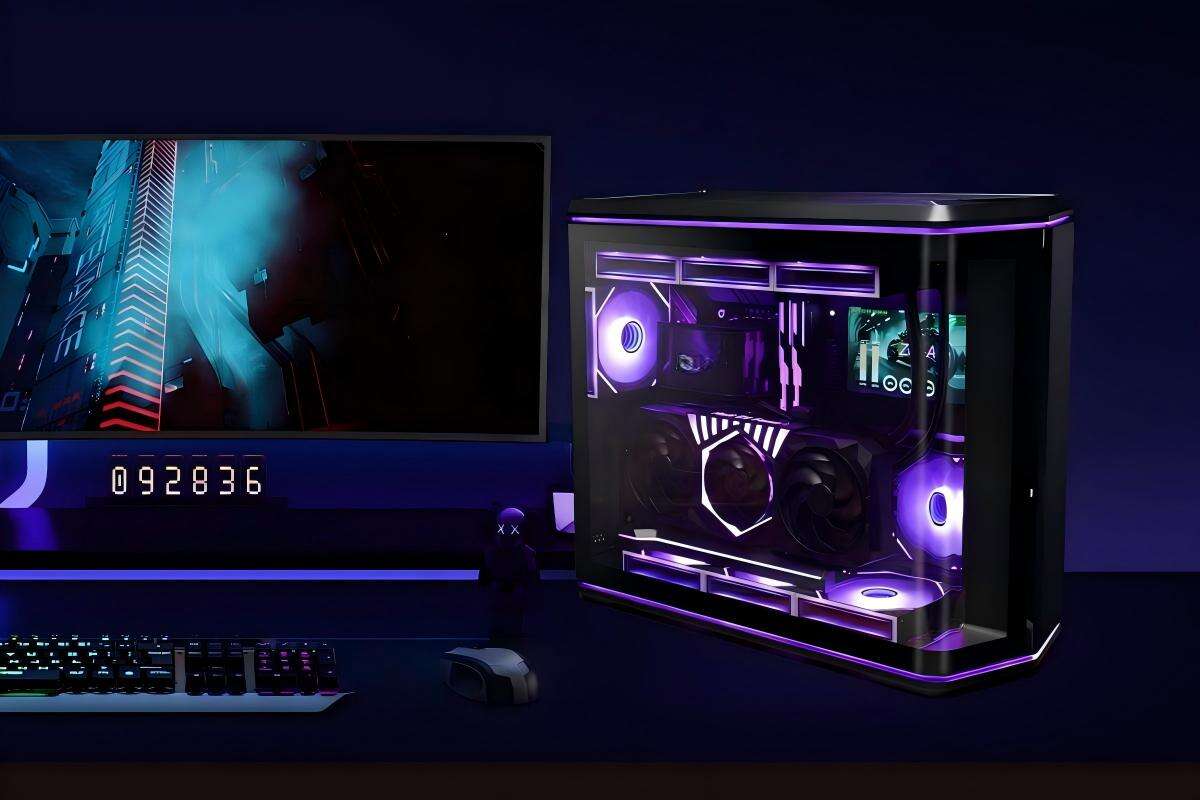
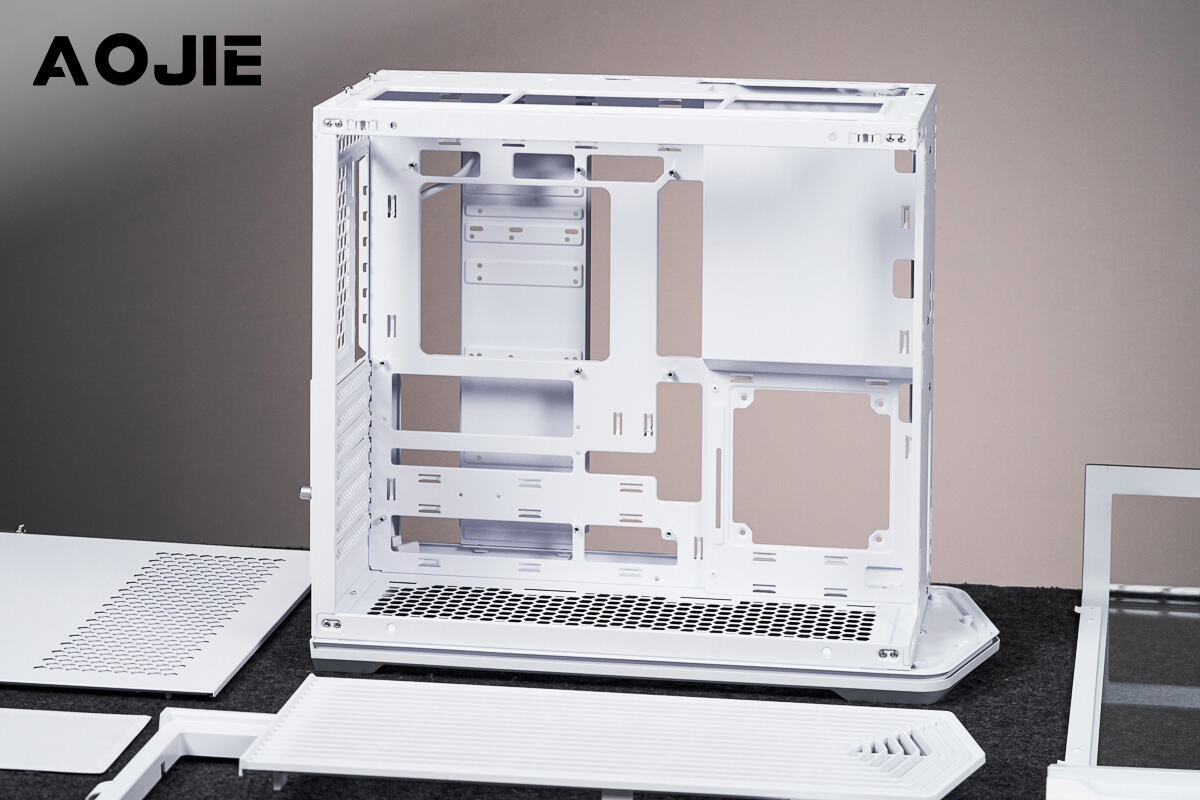
The PC case ATX mid tower offers exceptional compatibility with current and future computer components through thoughtful design and adherence to industry standards. ATX motherboard support ensures compatibility with the most popular motherboard form factor, accommodating full-sized ATX, micro-ATX, and mini-ITX motherboards for maximum flexibility in system configuration. The PC case ATX mid tower provides generous clearances for modern graphics cards, supporting lengths up to 350mm or more in most models, ensuring compatibility with high-end gaming cards and professional graphics solutions. Power supply compatibility extends to standard ATX units while also supporting newer SFX and SFX-L form factors for specialized builds or increased internal space utilization. Storage flexibility represents a crucial compatibility advantage, with the PC case ATX mid tower accommodating multiple 3.5-inch hard drives, 2.5-inch solid-state drives, and M.2 NVMe drives through various mounting solutions and motherboard support. Expansion slot configuration supports full-length PCI Express cards, multiple graphics cards in SLI or CrossFire configurations, and various expansion cards including sound cards, network cards, and storage controllers. The PC case ATX mid tower design anticipates future component evolution through adjustable drive cages, removable motherboard trays, and modular internal structures that adapt to changing hardware requirements. CPU cooler compatibility encompasses tower air coolers, low-profile cooling solutions, and all-in-one liquid cooling systems with clearances typically ranging from 150mm to 170mm in height. Front panel connectivity evolves with technology standards, featuring USB 3.0, USB-C, and next-generation connection options that maintain relevance as peripheral standards advance. The PC case ATX mid tower supports various cooling configurations including custom water cooling loops with multiple radiators, pumps, and reservoirs for enthusiasts seeking maximum performance. Cable management systems accommodate both current and future cable standards, with routing channels and tie-down points that adapt to changing power delivery and data connection requirements without requiring case modifications or replacements.
 ×
×

 EN
EN