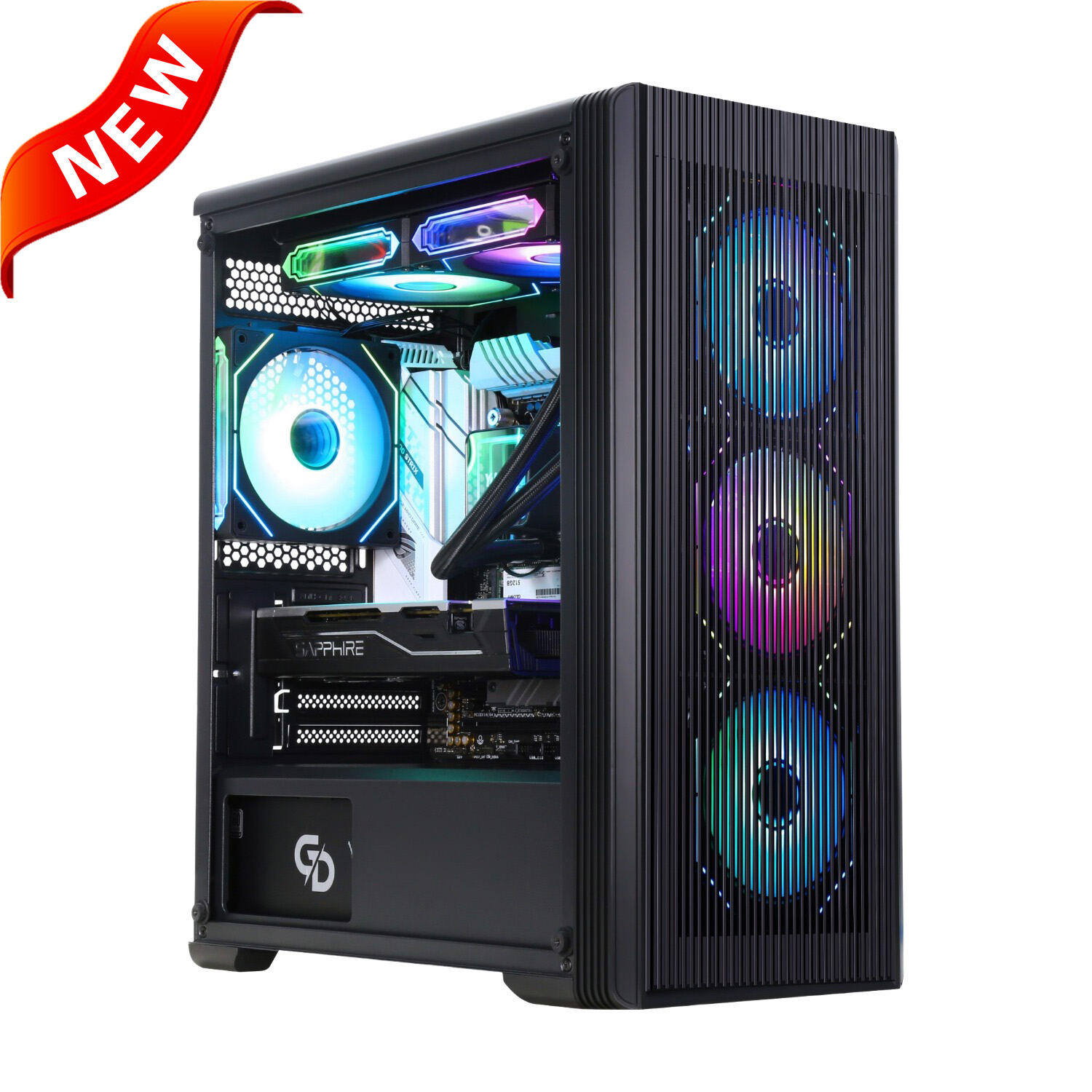
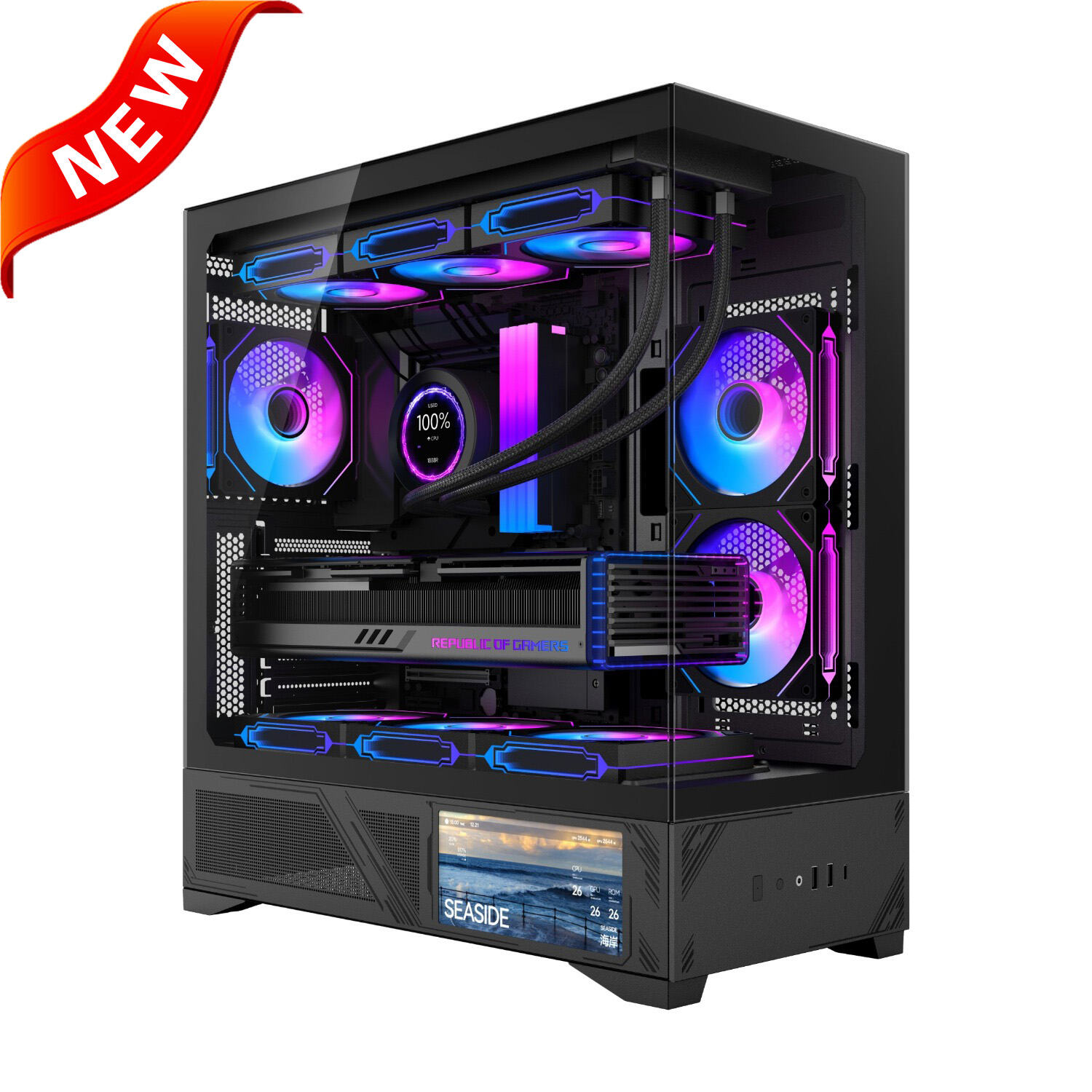
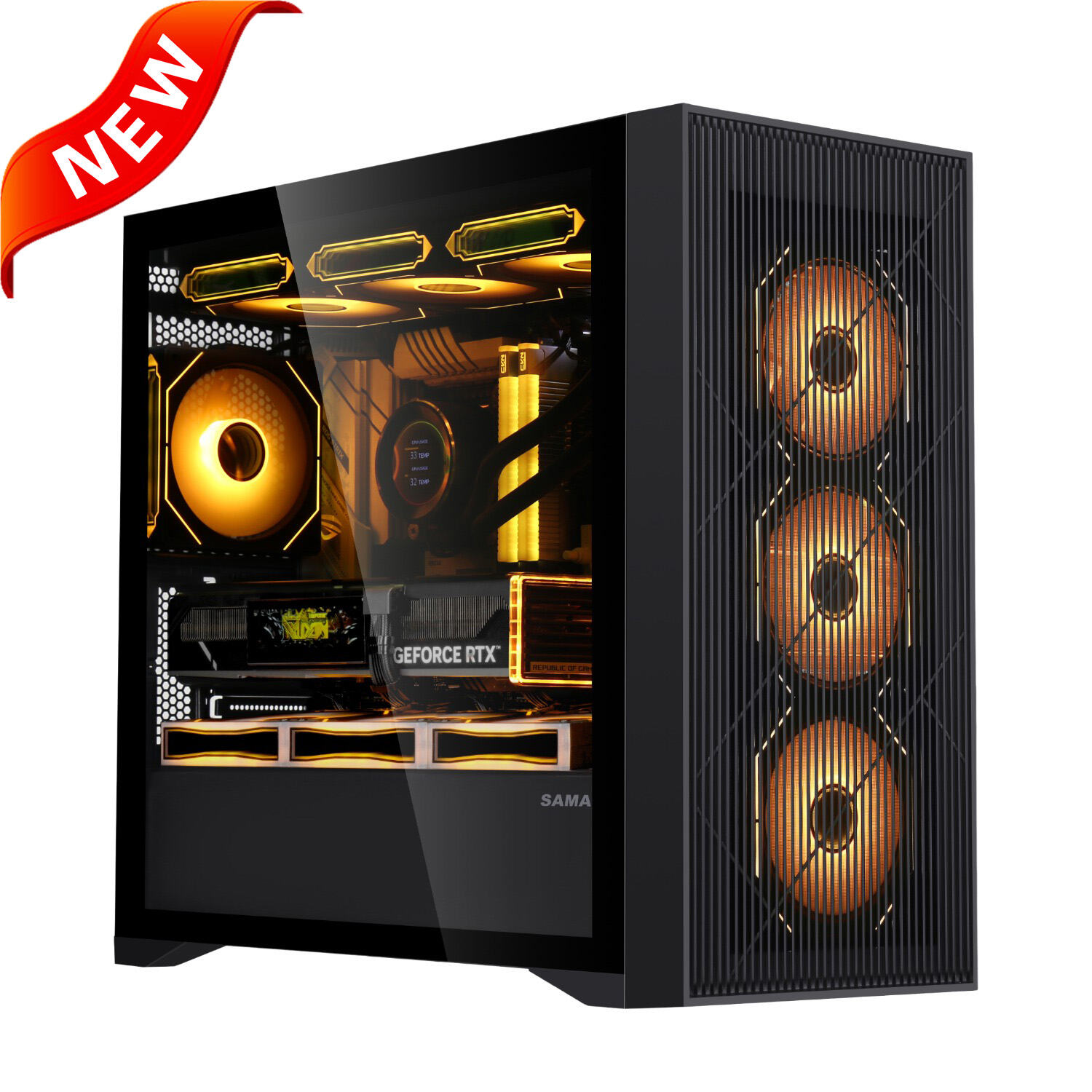
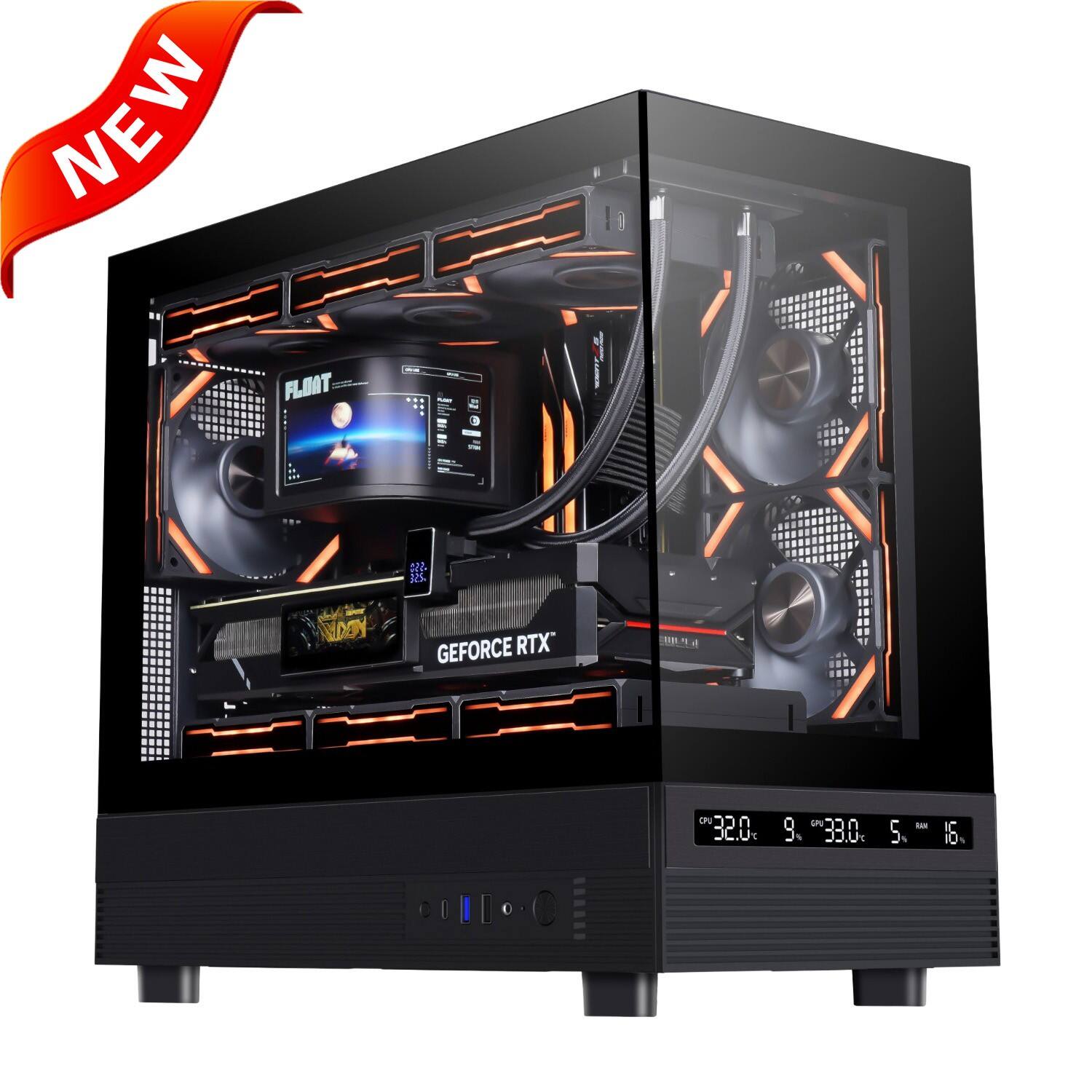
gaming power supply unit
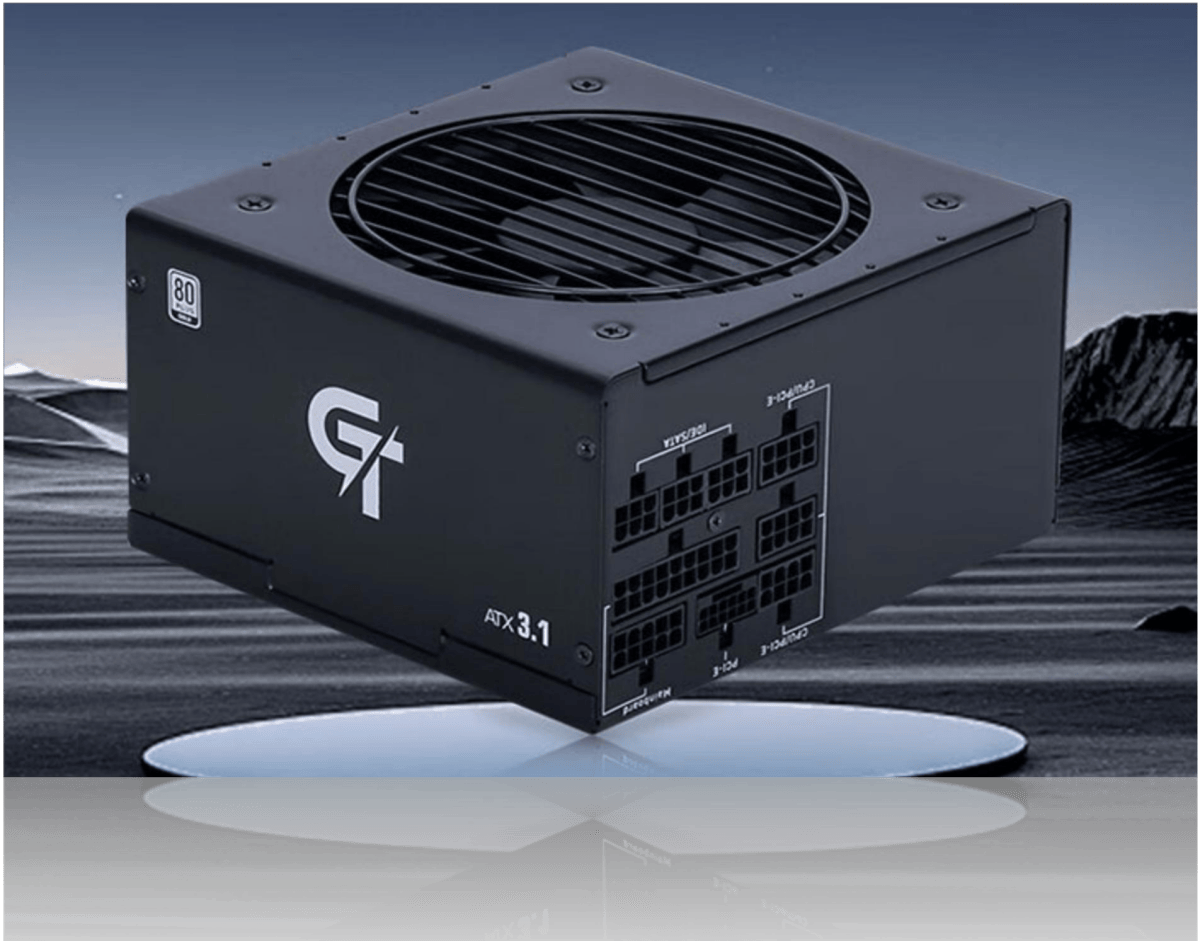
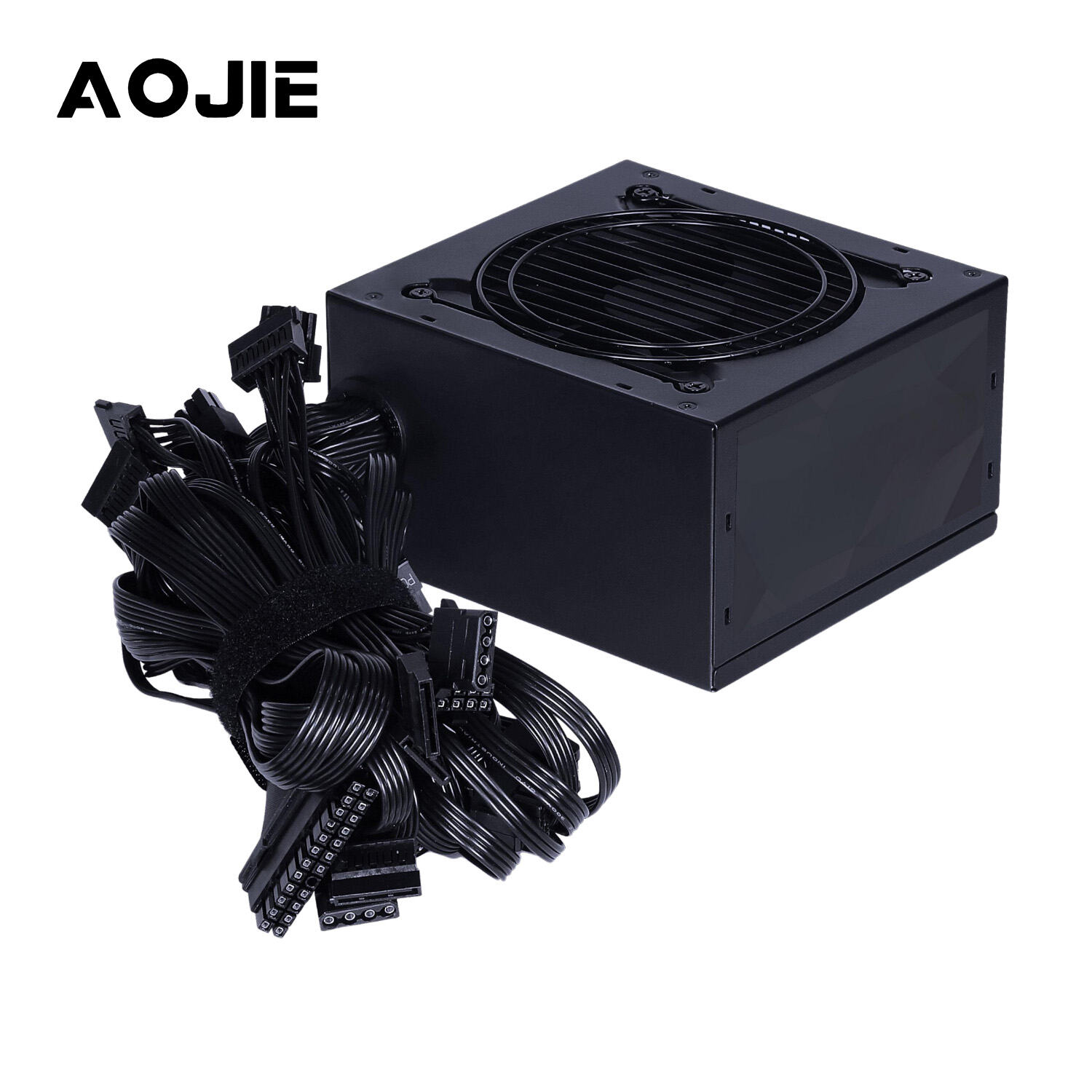
A gaming power supply unit represents the cornerstone of any high-performance gaming system, delivering stable and reliable electrical power to all connected components. This specialized hardware component transforms alternating current from wall outlets into direct current that computer parts require for optimal operation. The gaming power supply unit differs significantly from standard power supplies through enhanced efficiency ratings, superior build quality, and robust power delivery capabilities designed specifically for demanding gaming applications. Modern gaming power supply units incorporate advanced switching technology that maintains consistent voltage levels even during peak load scenarios, ensuring your graphics card, processor, and other components receive clean, stable power without fluctuations that could cause system instability or component damage. These units feature multiple rail designs that distribute power efficiently across different voltage requirements, typically providing +12V, +5V, and +3.3V outputs with precise regulation. The modular cable management system found in premium gaming power supply units allows users to connect only necessary cables, improving airflow within the case and reducing clutter. Advanced protection circuits including over-voltage protection, under-voltage protection, over-current protection, and short-circuit protection safeguard valuable components from electrical anomalies. Temperature-controlled cooling systems with intelligent fan curves adjust cooling performance based on load requirements, maintaining optimal operating temperatures while minimizing noise levels. The 80 PLUS certification system helps identify energy-efficient models, with ratings ranging from standard 80 PLUS to the premium 80 PLUS Titanium certification. High-quality capacitors, typically Japanese-made, ensure long-term reliability and stable power delivery throughout the gaming power supply unit's operational lifespan. These units support various form factors including ATX, SFX, and micro-ATX configurations to accommodate different case sizes and build requirements.
 ×
×
 EN
EN