EN
EN


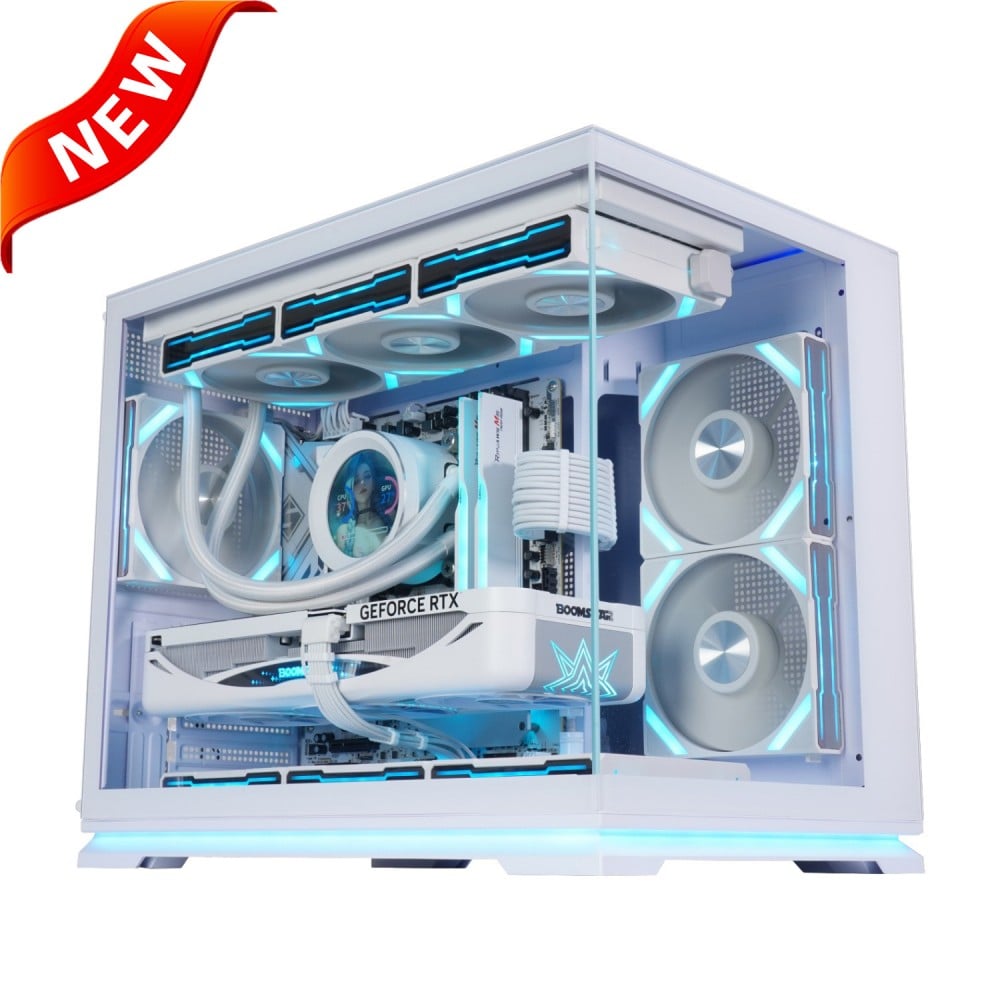
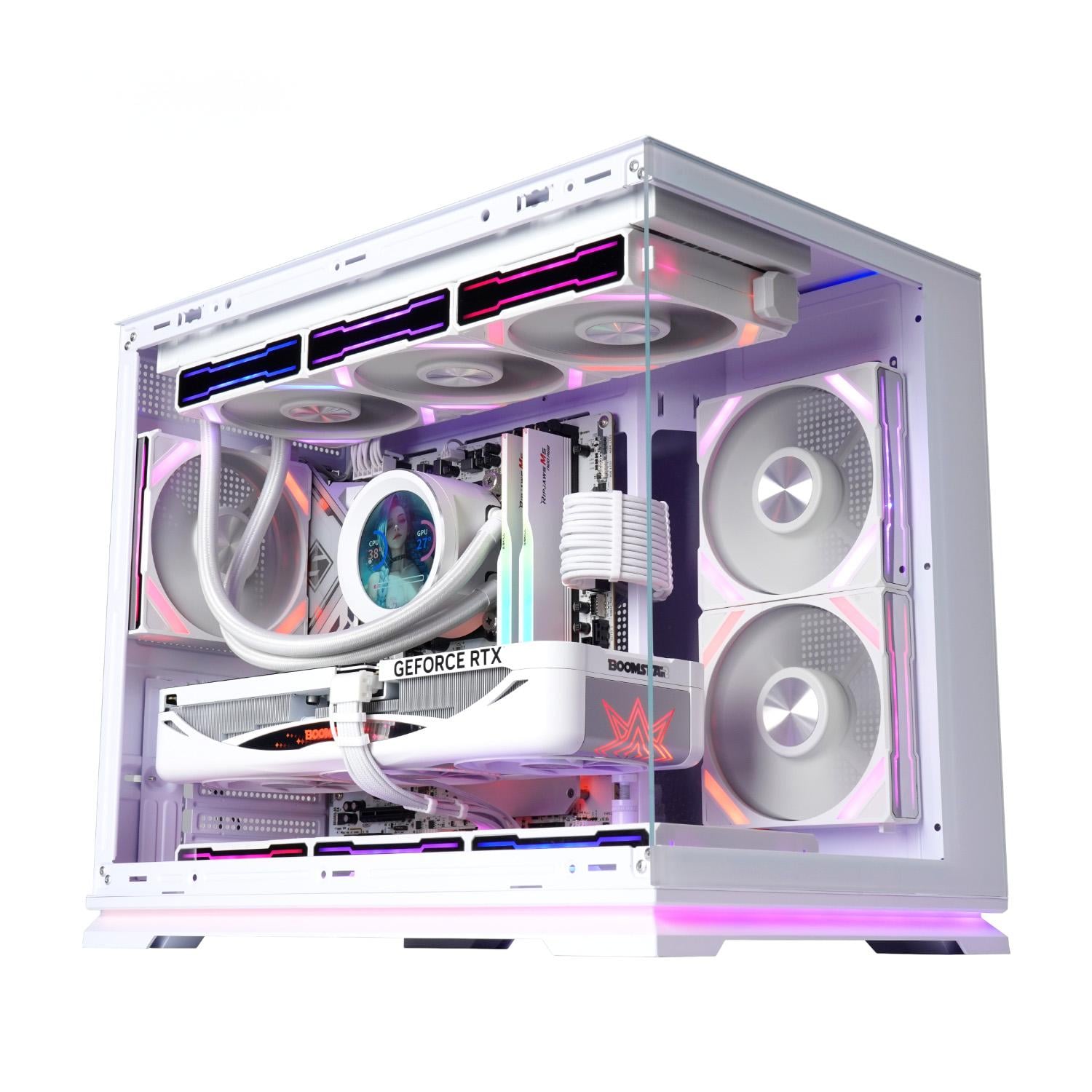
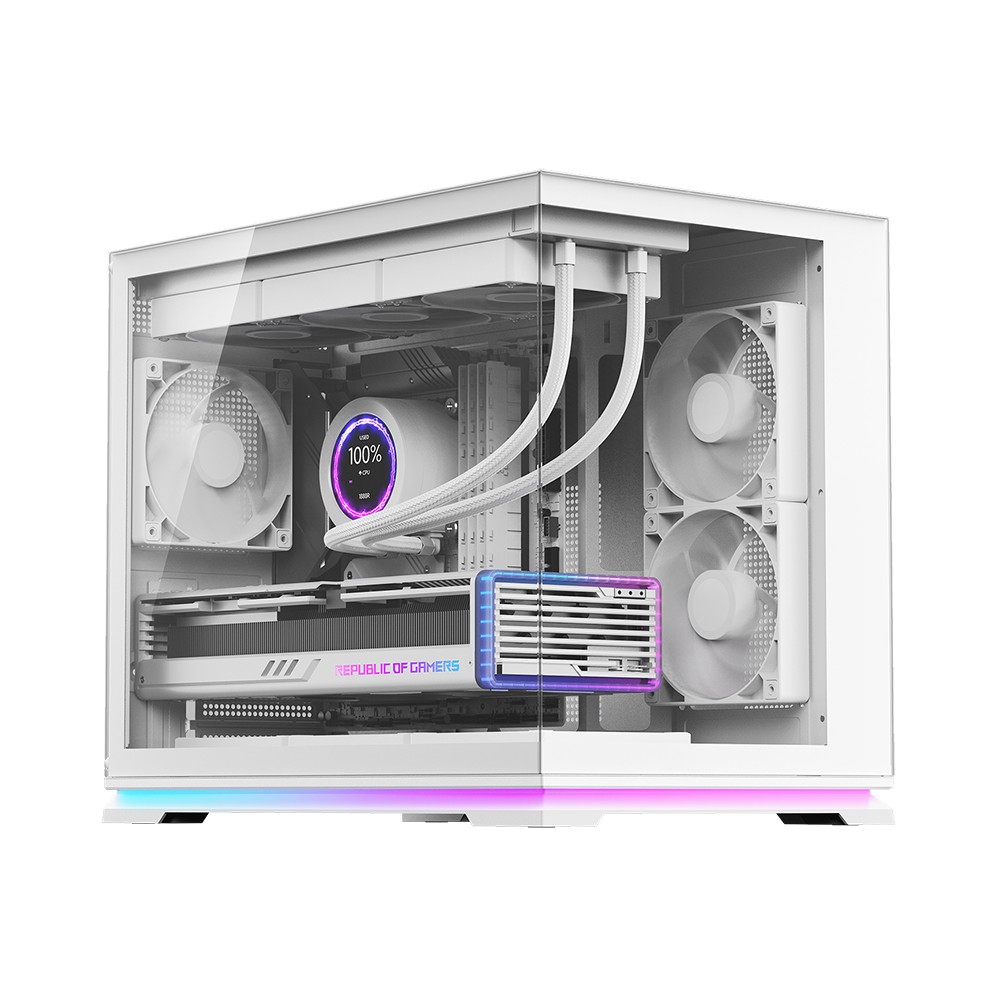
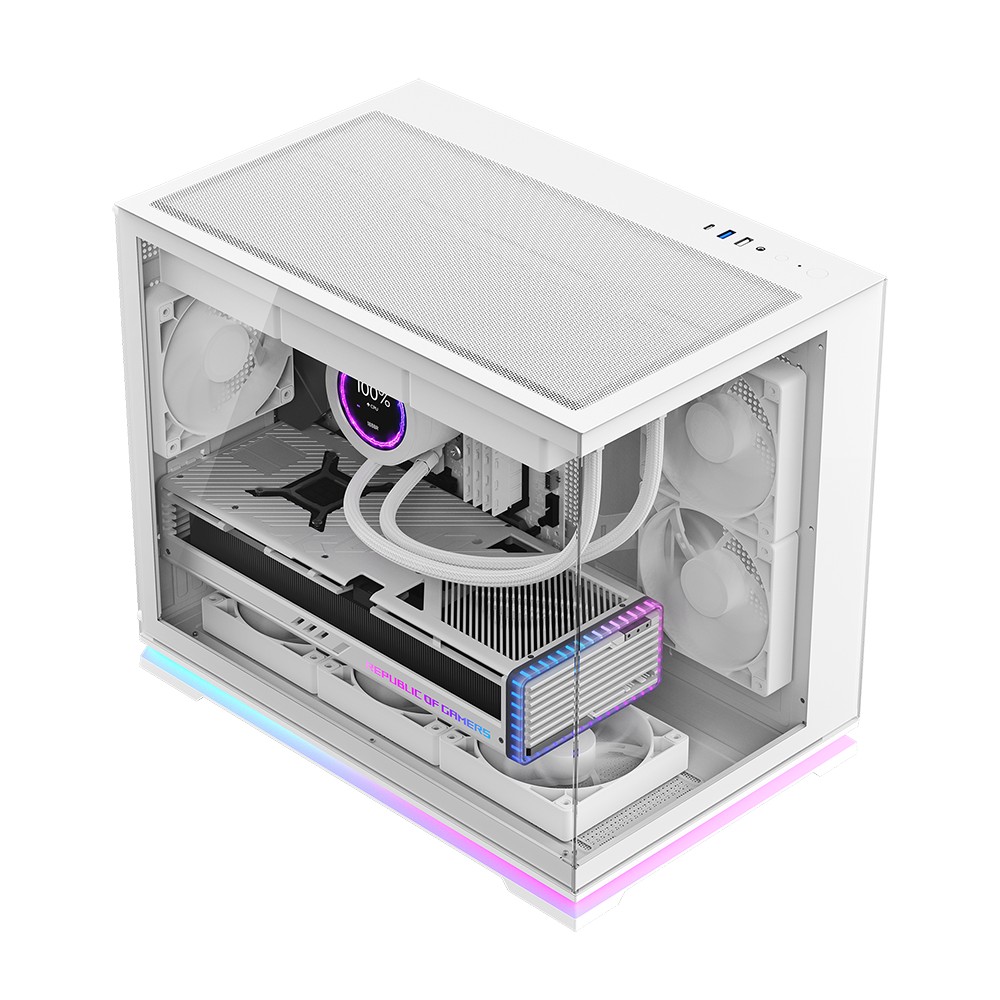
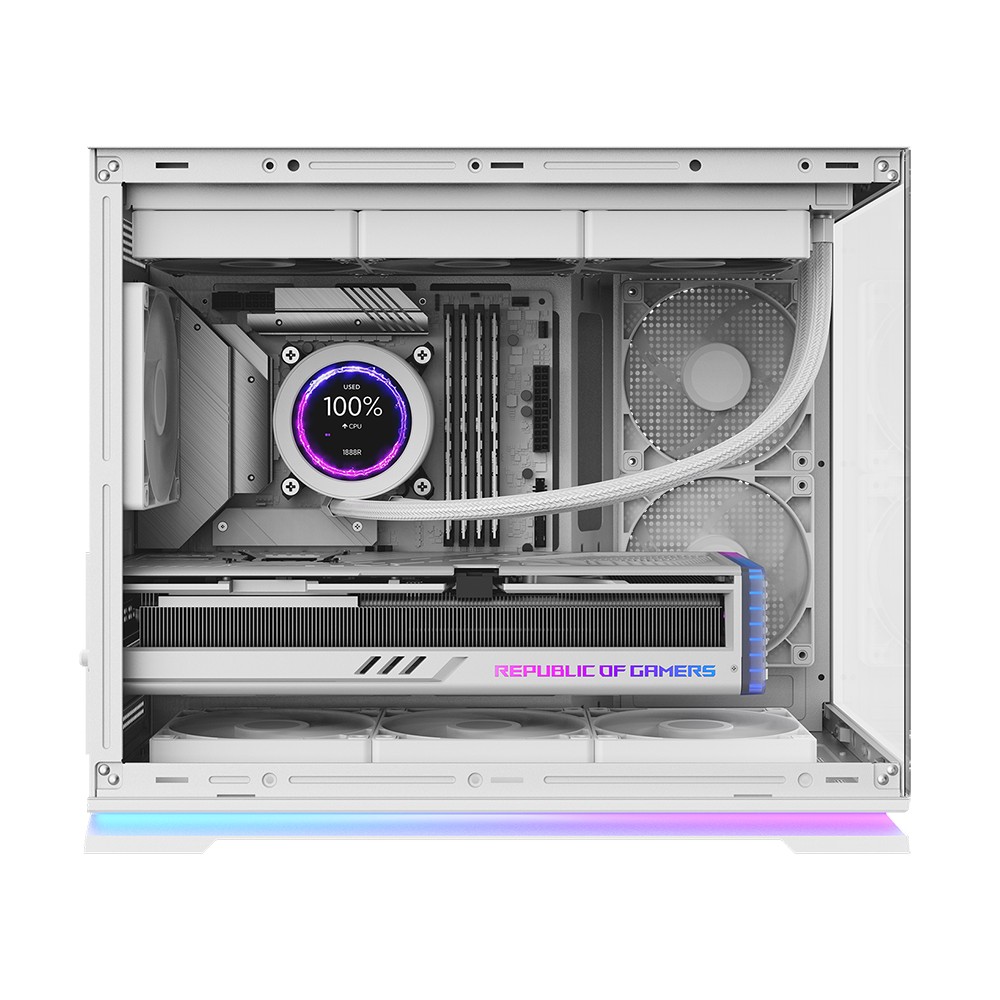
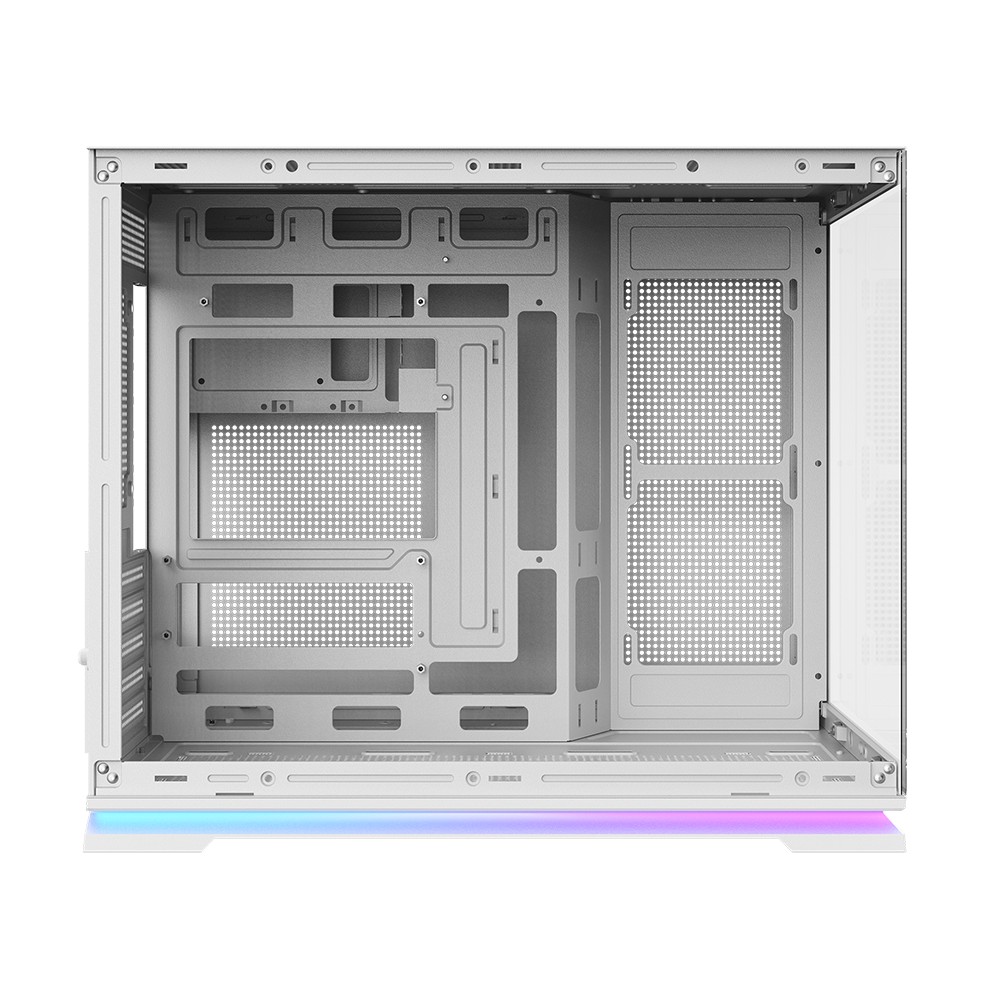
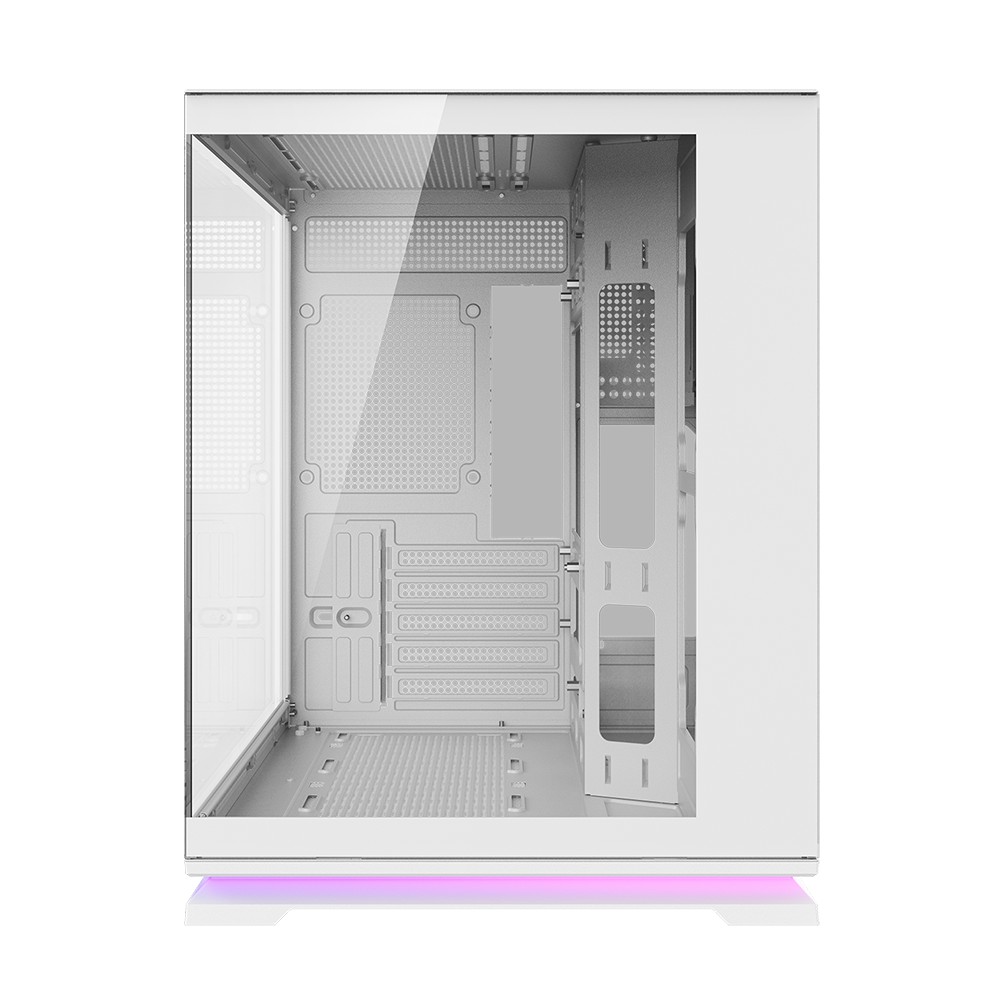
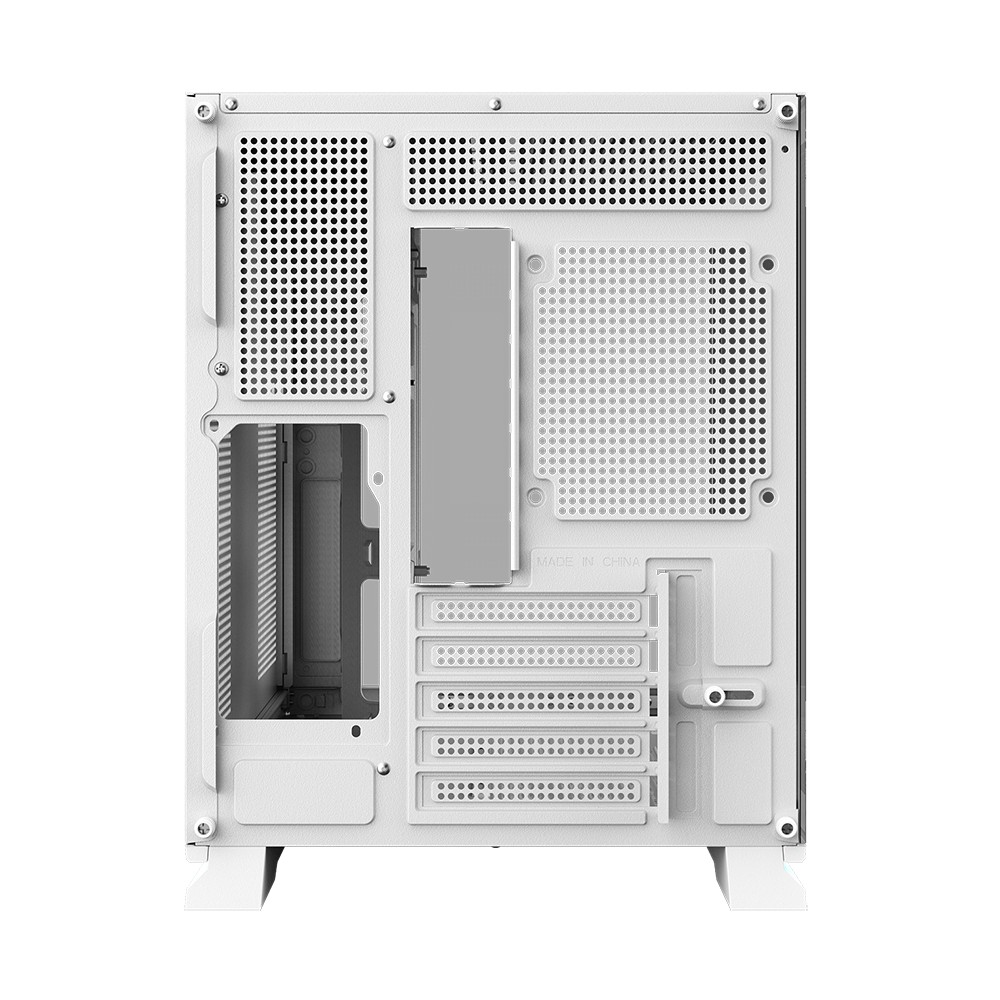
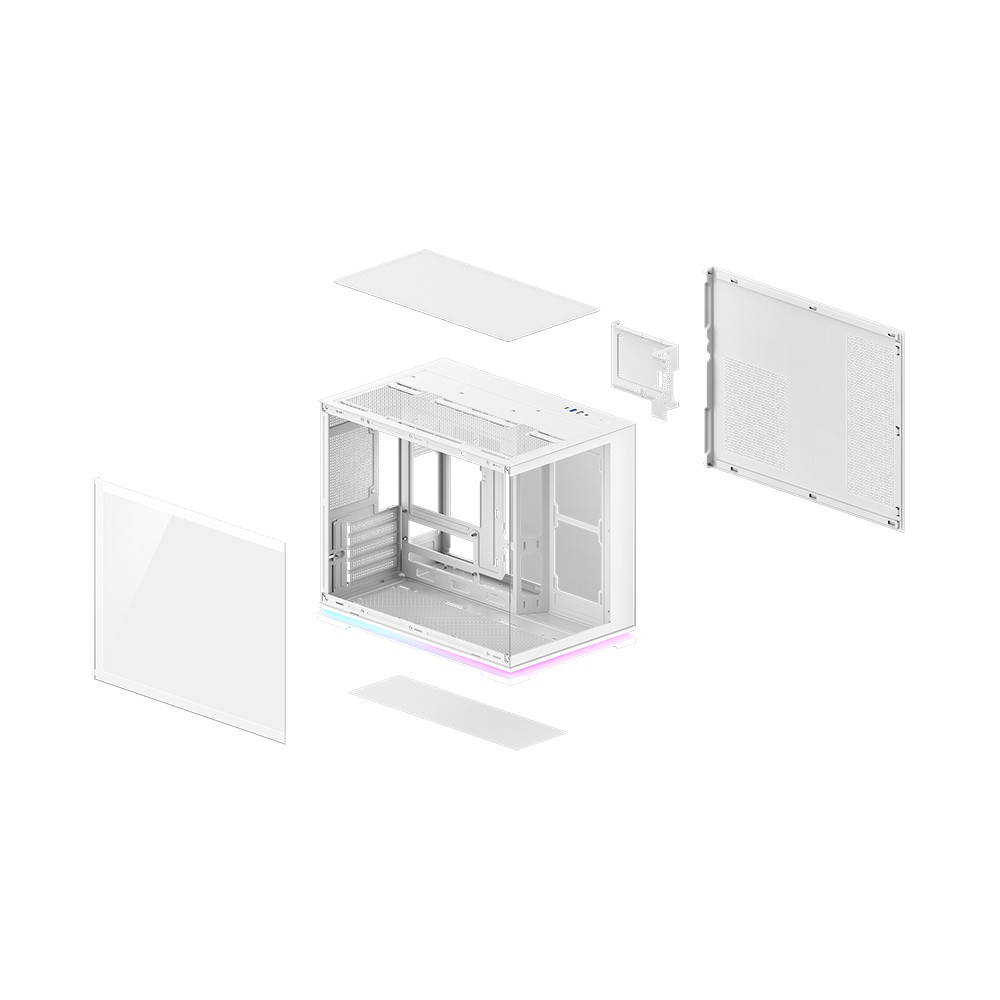
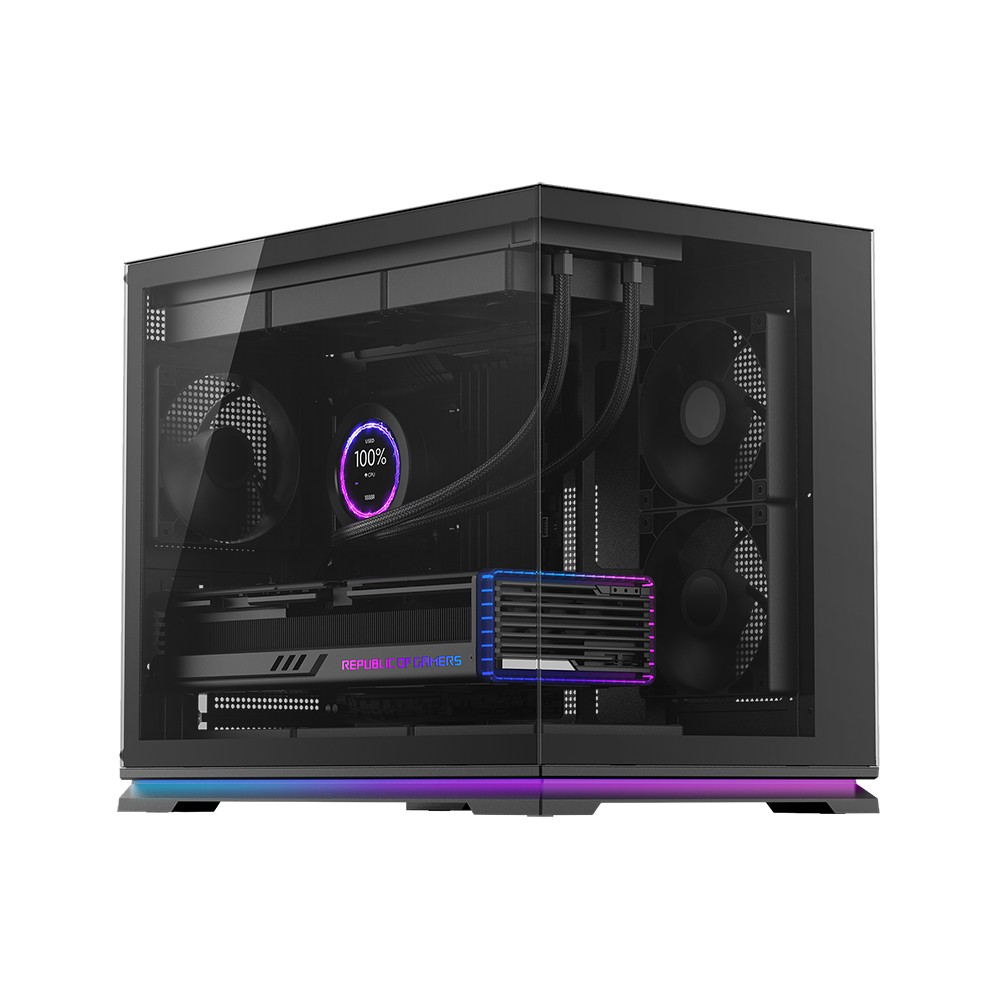
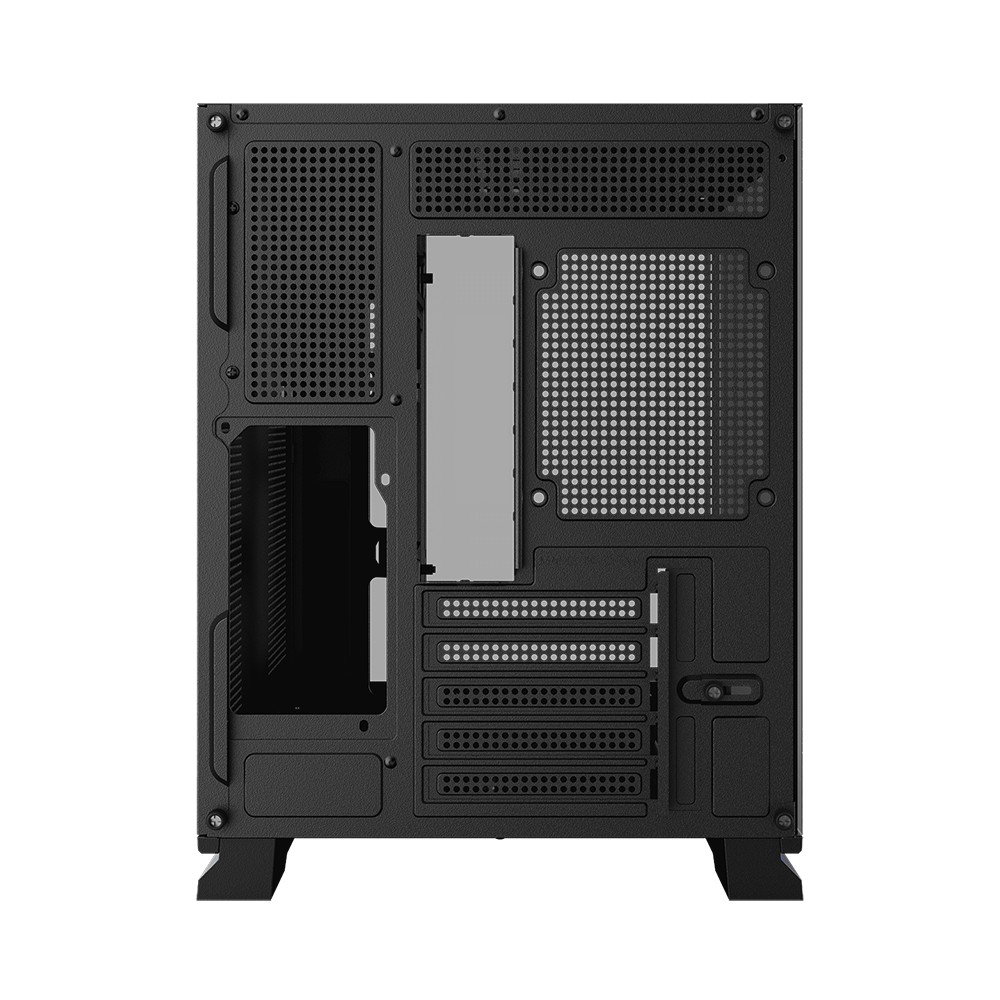
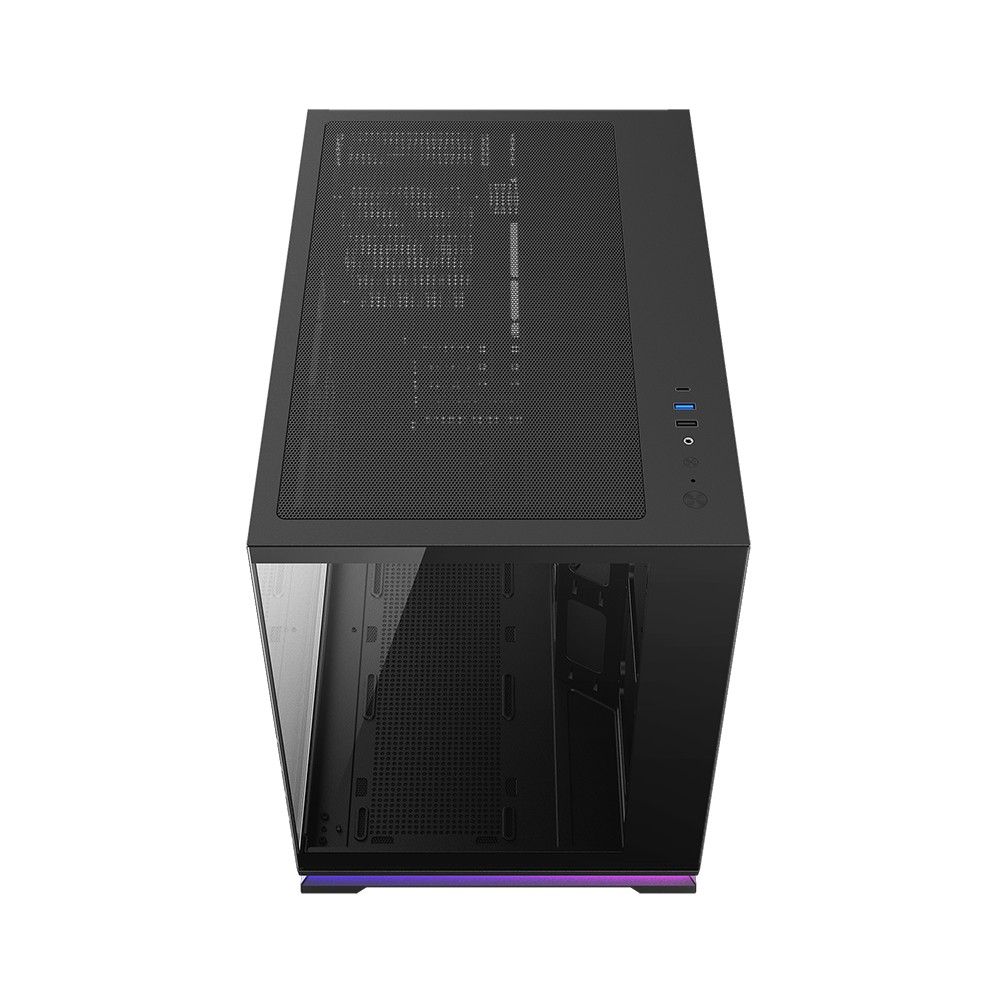
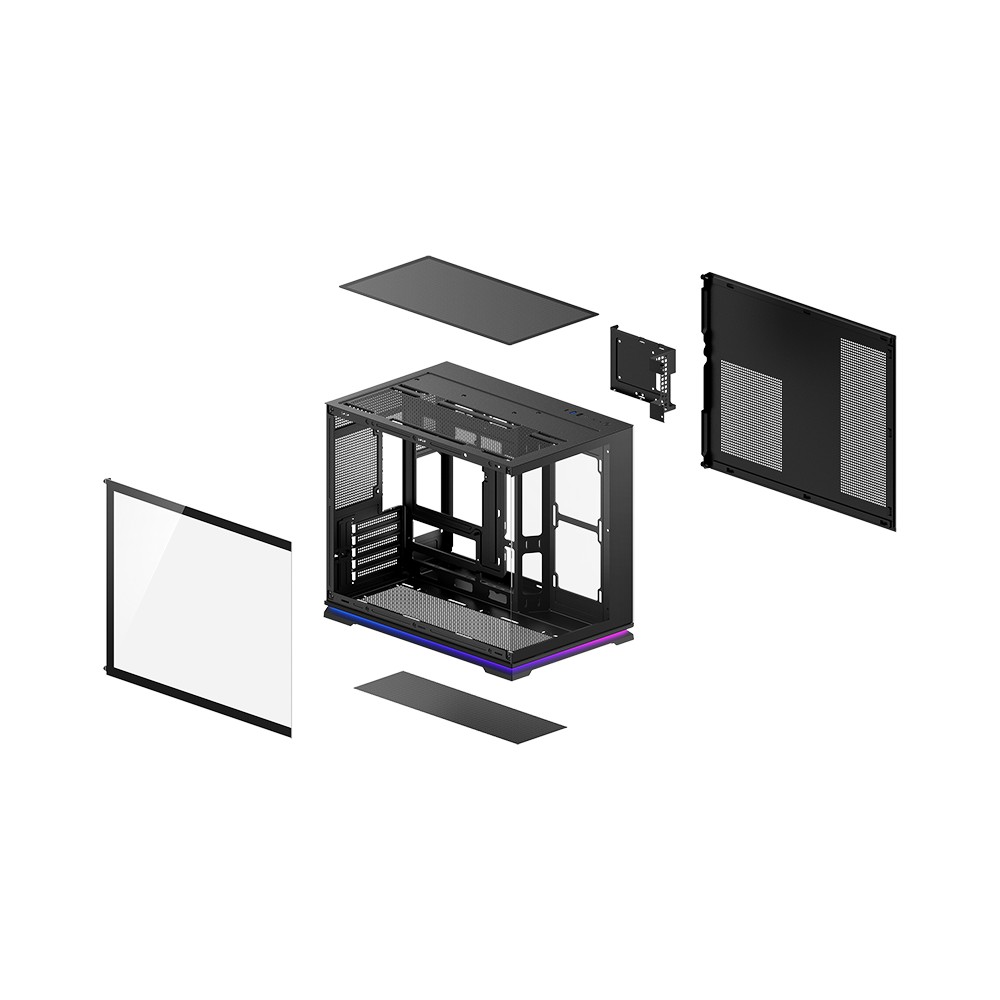
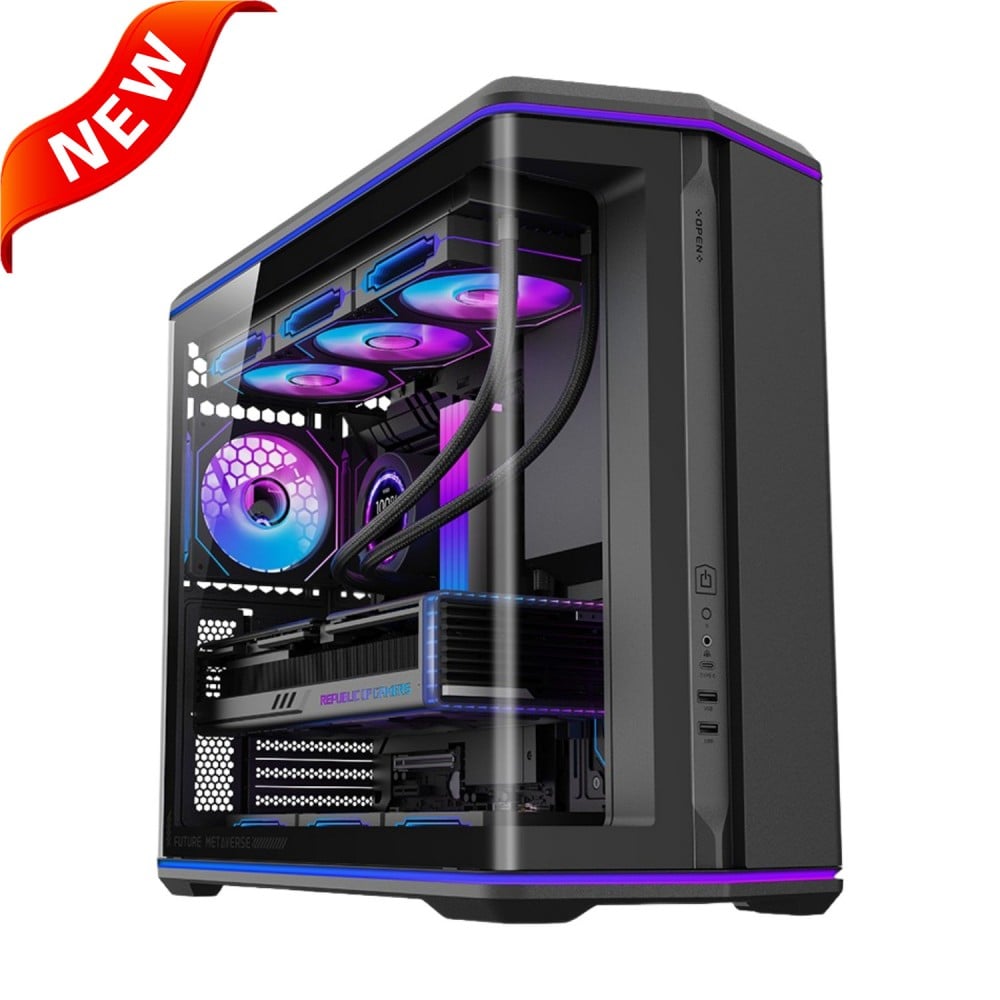
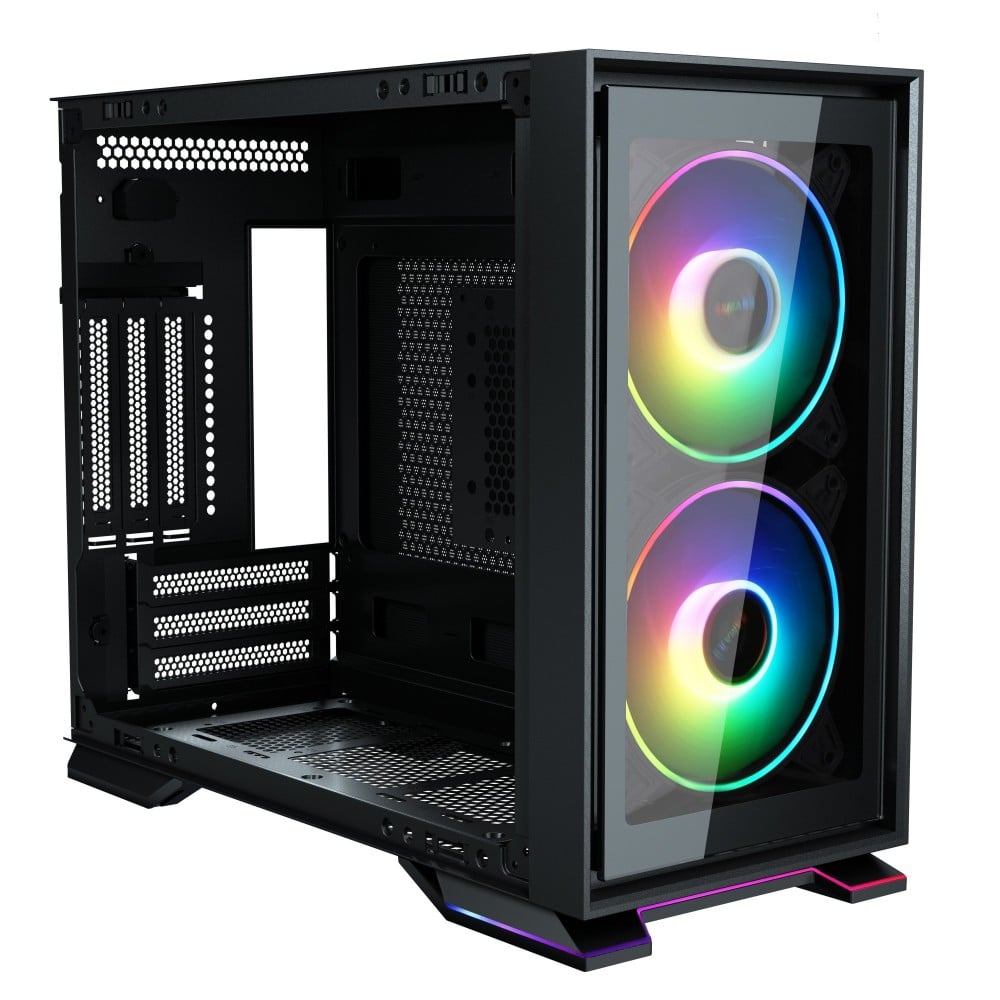
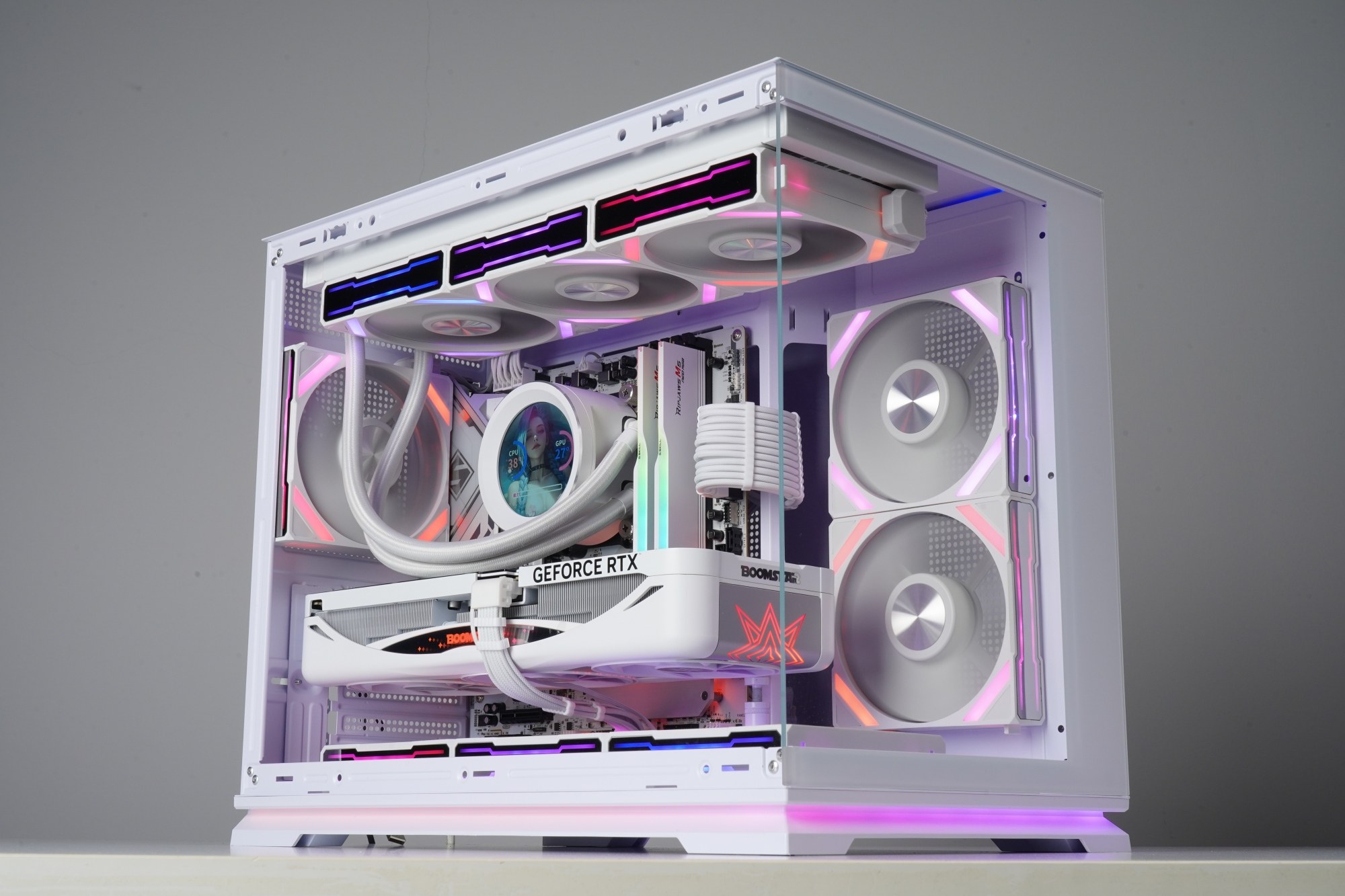
2805M MATX Gaming PC Case with Lighting Strips
- BTF compatible case
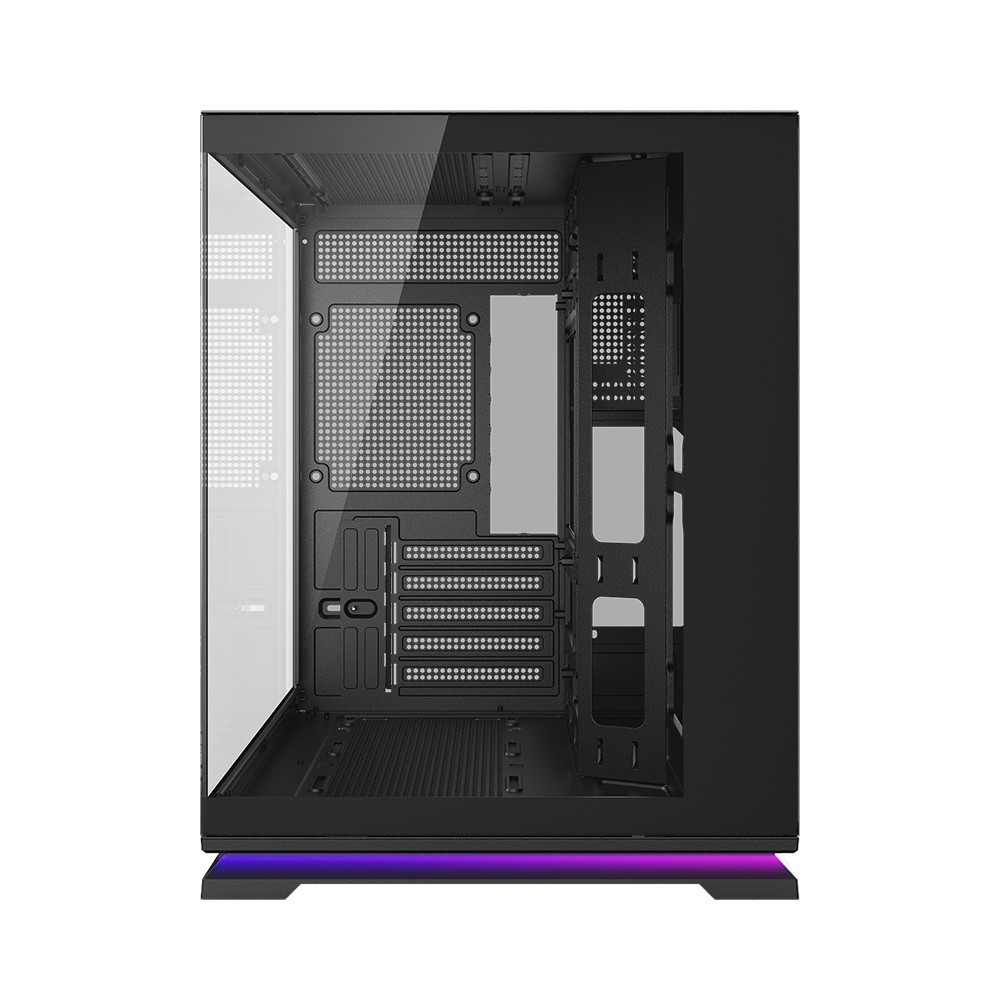
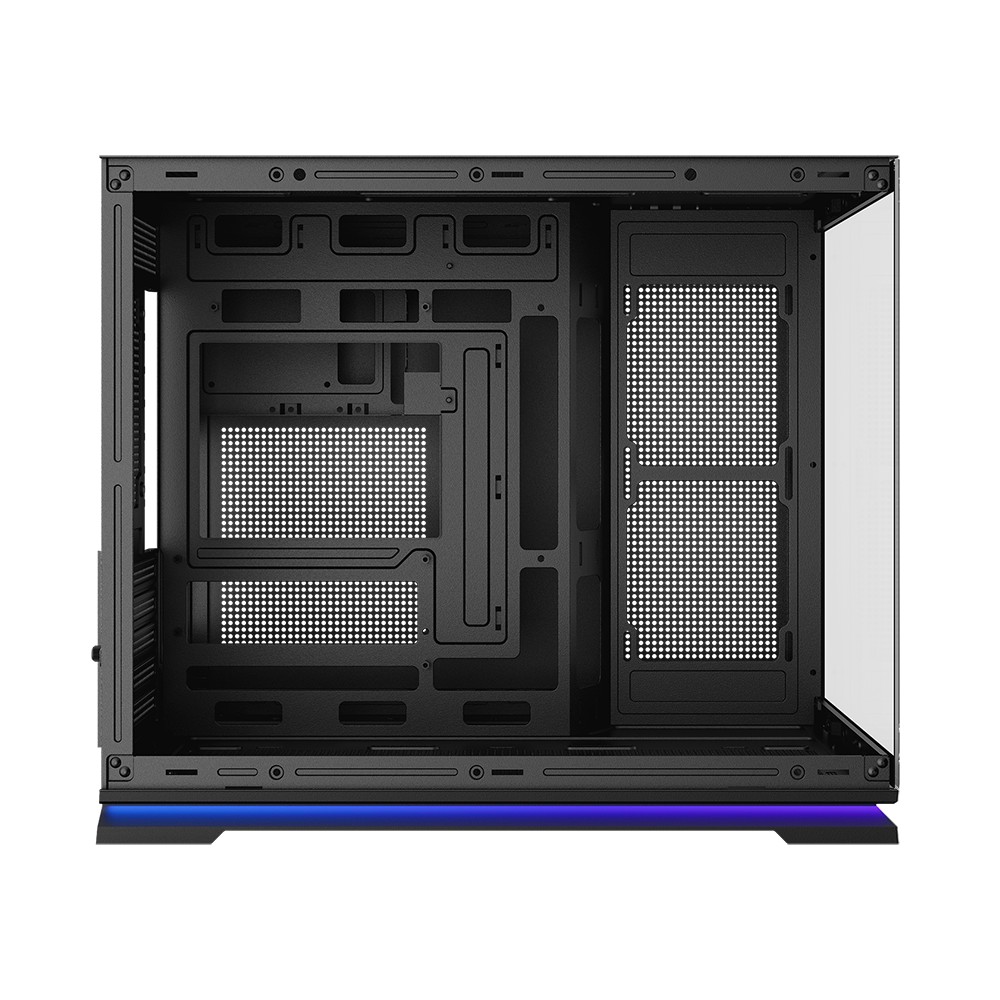
- Dual-Chamber Design
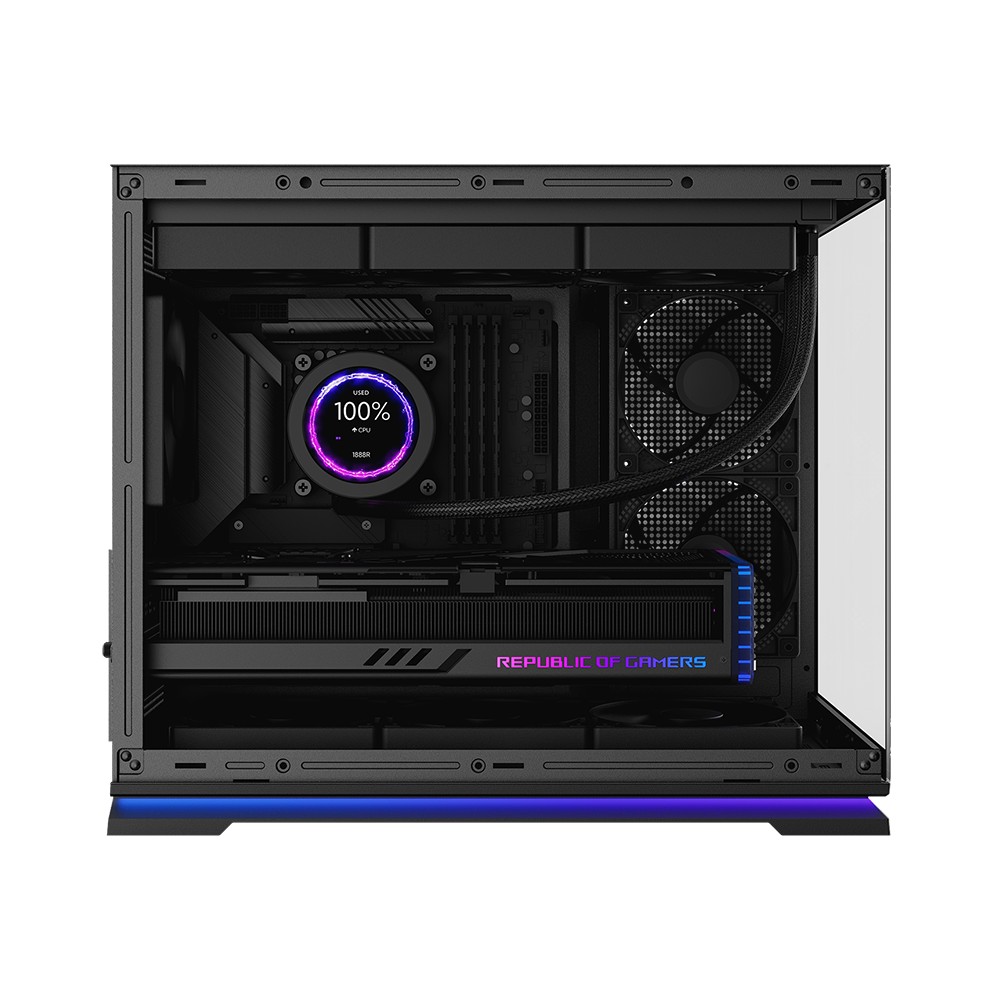
- 270° Pillar-Less Panoramic View
- Robust Materials and Craftsmanship
- Concealed Lighting Strips in Feet (Signature Feature)
- Extensive Fan Support & Hardware Compatibility
- Introduction
- Specifications
- FAQ
- Recommended Products
- The most popular trend today, targeting DIYers, streamers, and anyone obsessed with stunning visuals and RGB lighting.
- Solid Hardware Compatibility: Packs in M-ATX motherboards, most standard GPUs, and some 360mm coolers within a compact volume.
- Lighting strips are embedded above the feet, providing a soft, premium glow akin to "recessed lighting" design, serving as the hallmark of this chassis type.
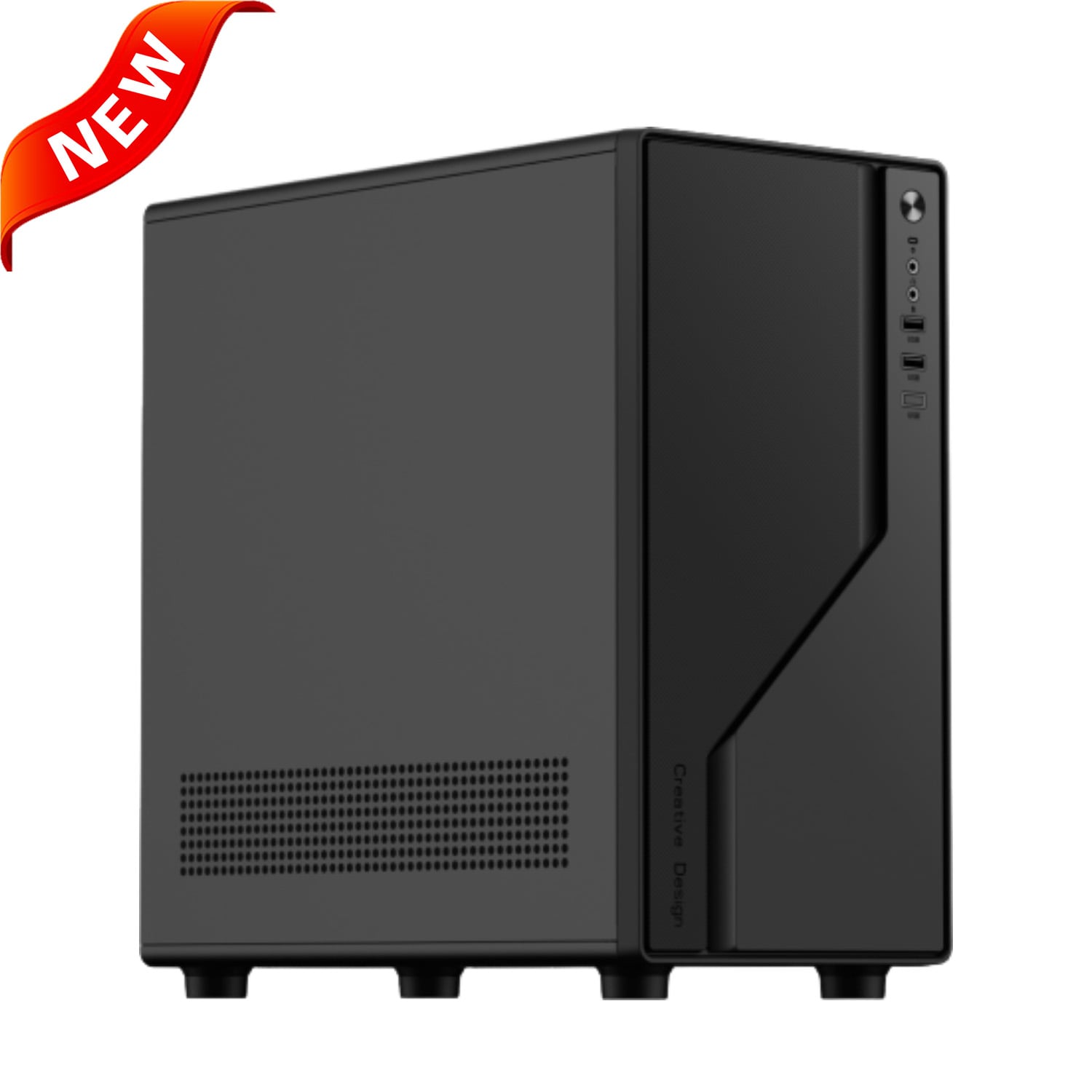
- The top I/O panel typically includes a high-speed USB Type-C port, USB 3.0, and a dedicated lighting control button for easy effect switching.
| Model Name: | 2805M (3-side LED foot pad included)(M-ATX、ITX) | ||
| Dimension: | Chassis | L428*W280*H340mm | |
| Product | L442*W280*H369mm | ||
| Carton | L415*W337*H494mm | ||
| left Side Panel: | 4mm tempered glass | ||
| Chassis: | Bottom panel 0.5mm/back panel 0.55/M/B ,top cover ,0.6mm,side panel 0.7MM,Including painting thickness 0.1mm | ||
| Default USB Config: | US21.0*1 + HD Audio, USB3.0 *1 | (included) | |
| Other USB Option: | Type C*1 (optional) | ||
| Reserved Fan Ports: | Top | 120mm*3/2*140mm | (fan optional) |
| 120/240/280/360mm liquid cooler | |||
| Front | N/A | ||
| N/A | |||
| Rear | 120mm*1 | (fan optional) | |
| 120mm liquid cooler | |||
| Bottom | 120mm*3 | (fan optional) | |
| N/A | |||
| M/B | 120mm*2 | (fan optional) | |
| 120/240mm liquid cooler | |||
| Drive Bays: | 5.25'' | 0 | |
| 3.5'' | 2 (one of them need to Share with 2.5" ) | ||
| 2.5'' | 1 ( Share with 3.5") | ||
| PCI Slots: | 5 | ||
| Max. VGA Card: | 420mm | ||
| Max. CPU Cooler: | 165mm | ||
| PSU: | Right side , length up to 190mm | ||
| Cable Management: | 96mm | ||
Commercial & OEM FAQ
Q: What are your strengths in chassis development?
A: We have more than 20 years of chassis development experience and launch new self-tooled products every year. Over the years, we have created multiple pioneering chassis designs and patented solutions, which allows us to support projects that require more than standard sourcing or simple logo customization.
Q: How is your chassis manufacturing system organized?
A: For chassis programs, we work with long-term joint-venture and deeply integrated manufacturing partners. These facilities cover assembly, stamping, plastic injection, painting, tooling, and related processes, and factory visits can be arranged in advance. Because our manufacturing partners and surrounding supply chain are closely integrated around our operation, the system is mature, stable, and cost-efficient.
Q: Do you support OEM and ODM projects for computer cases?
A: Yes. We support OEM and ODM development for front-panel styling, internal structure, logo application, color scheme, packaging, accessory sets, and project-specific appearance requirements.
In addition to standard OEM customization, we support deeper ODM programs with engineering, structural development, and ID design resources. This allows us to assist customers with customized chassis projects based on specific product positioning, market requirements, and branding goals.
Q: What is your MOQ?
A: For standard in-stock items, the MOQ can start from 1 piece. For customized case projects, the MOQ usually starts from around 300 pieces depending on tooling impact, structure changes, packaging, and target configuration.
Q: Can I order samples before mass production?
A: Yes. Samples are available for structure review, appearance confirmation, compatibility checking, and packaging evaluation. For customized projects, pre-production samples can be arranged after the design is confirmed.
Q: What is the typical lead time?
A: Standard products in stock are usually ready within 3 to 5 working days. For customized projects, the lead time is typically around 40 days after sample approval and order confirmation. For repeated orders, lead time is controlled to be 25-30 days.
Q: What is the warranty policy for cases? Is it the same for CKD or SKD shipments and fully assembled systems?
A: For fully assembled systems, we can normally provide a 1-year warranty. For case-only or loose-part shipments, we usually work with a 1% RMA allowance rather than a standard chassis warranty. If transport damage is identified after container unloading, compensation can be discussed case by case.
Q: What after-sales support do you provide for case projects?
A: Our after-sales support can include transport-damage review, missing-accessory follow-up, assembly guidance, and case-by-case claim handling according to the project agreement. For fully assembled systems, warranty service can be provided within the agreed period. For case-only shipments, we usually support customers through 1% designated RMA allowance, practical replacement handling, or evidence-based compensation review when logistics-related damage is confirmed.
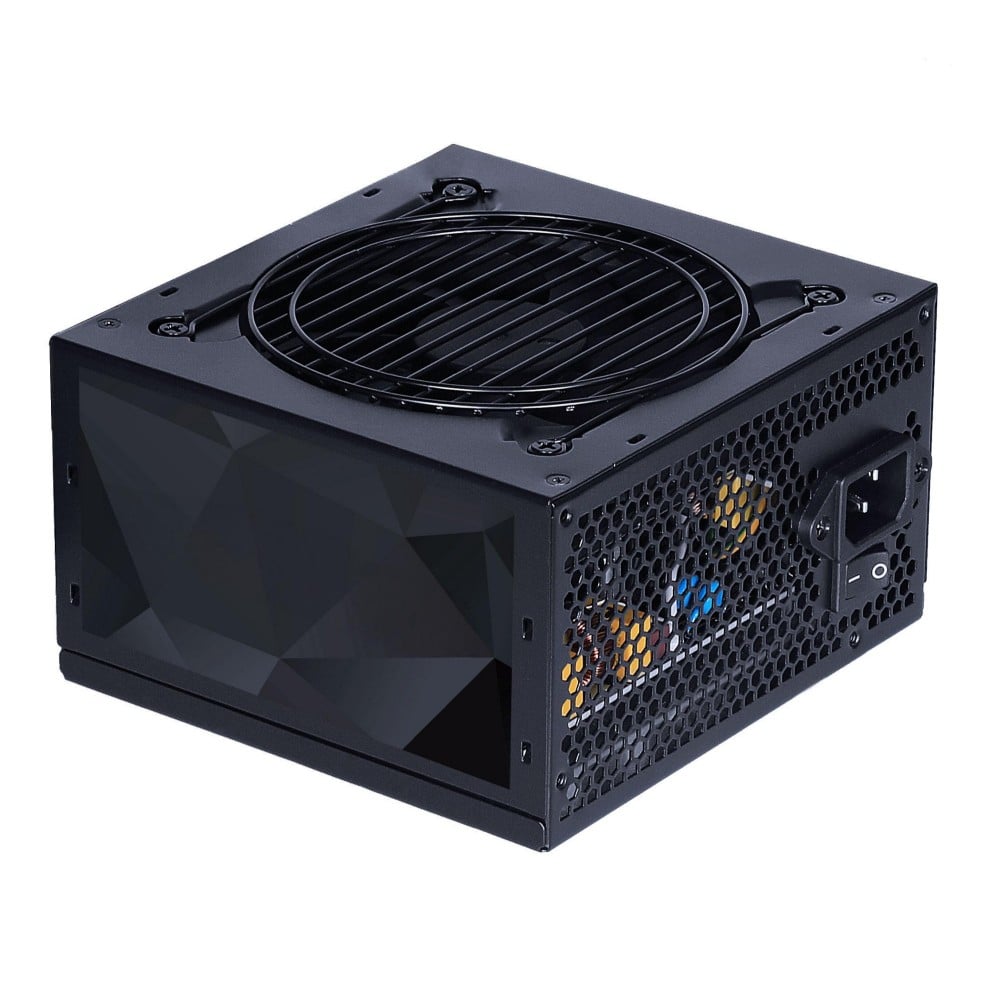
Q: Can you support chassis-plus-PSU assembly, and can we supply the PSU ourselves?
A: Yes. We can support chassis-and-PSU assembly projects, including selected customer-supplied PSU arrangements after mechanical and assembly validation.
Q: Do you offer regional exclusivity for selected case models?
A: We offer regional exclusivity for selected case models and maintain a broad product portfolio to support market differentiation for customers in different regions. In most cases, exclusivity begins after sample confirmation and order placement, and the protection scope is tied to the approved panel design and the agreed target market. The standard protection period and any extension are based on the agreed annual volume commitment and program performance. During the exclusivity period, we will not offer the same approved design to other customers in the protected market.
Q: Can you provide RMB quotations for domestic projects?
A: Yes. RMB quotations can be issued for domestic projects. Final pricing should be confirmed case by case based on exchange rate, tax treatment, configuration, and current commercial terms.
Technical Product FAQ
Q: How do you ensure chassis compatibility and usability?
A: Our chassis development process covers concept definition, structural design, prototype review, validation, and production readiness assessment. Key checkpoints include motherboard compatibility, GPU clearance, CPU cooler height limit, radiator support, power supply fitment, storage layout, and cable-management space. This helps ensure the chassis is practical to build in and compatible with mainstream hardware configurations.
Q: How do you protect products during shipping?
A: All products undergo packaging drop testing based on ASTM D5276 before shipment. Our packaging is developed according to product structure, weight, and transportation requirements to provide stable protection during long-distance shipping and reduce the risk of transit damage. Based on customer requirements, we can also add extra protective packaging for improved shipping safety.
Q: How do you develop airflow performance in a case?
A: Airflow is reviewed from the early design stage. We evaluate vent opening, panel structure, fan mounting positions, internal obstruction, and design airflow path so the chassis can maximize cooling effect without creating unnecessary noise or assembly difficulty.
Q: What manufacturing processes are involved in case production?
A: Depending on the design, case production may involve sheet metal processing, bending, welding, stamping, plastic injection, surface treatment, painting, silk-screen printing, and final assembly. Manufacturability (DFM) is reviewed early to improve consistency and reduce production risk.
Q: Can you support CKD, SKD, and complete assembly projects?
A: Yes. We can discuss loose-part shipment, semi-knocked-down supply, fully assembled chassis delivery, or complete-system assembly according to the project scope and customer requirement.
Q: Can you install fans or customer-supplied PSUs into the chassis?
A: Yes. We can support assembly services for fans, power supplies, and selected customer-supplied components after fitment validation. Installation service rates are usually reviewed by project based on the required workflow and configuration complexity.
Q: What happens if there is shipping damage after unloading?
A: If damage is identified after container unloading, we will review the condition together with the customer and discuss a practical solution according to the transport evidence, project agreement, and actual loss condition.
Q: Do you follow a PQC standard during production?
A: Yes. We follow internal PQC standards during production to monitor key checkpoints such as cosmetic defects (including scratches, dents, paint defects etc.), structural fitment, assembly consistency, functional performance, and packaging condition. All I/O ports are also tested to ensure proper function and usability. This helps us identify issues early, maintain stable quality, and improve production consistency before shipment.