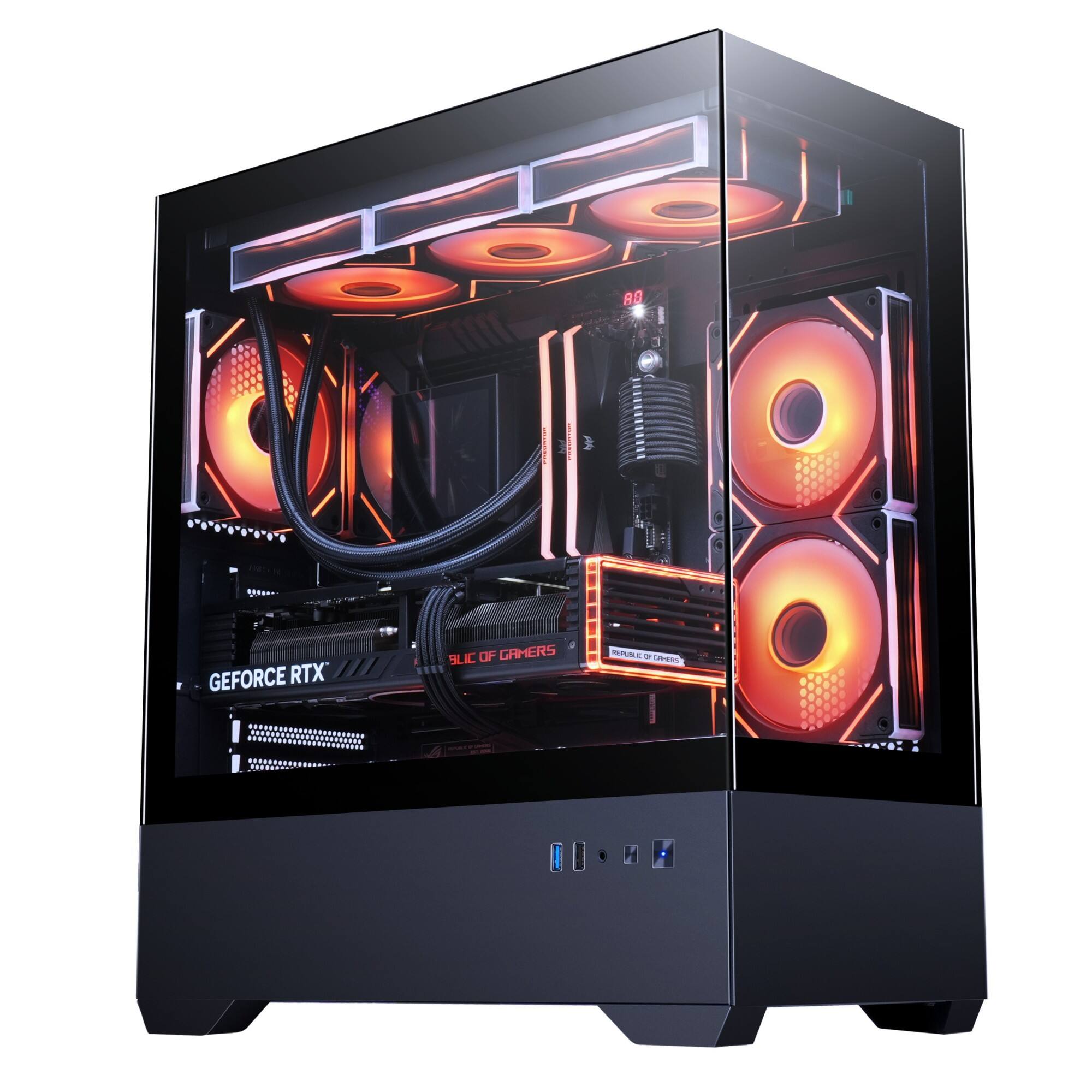
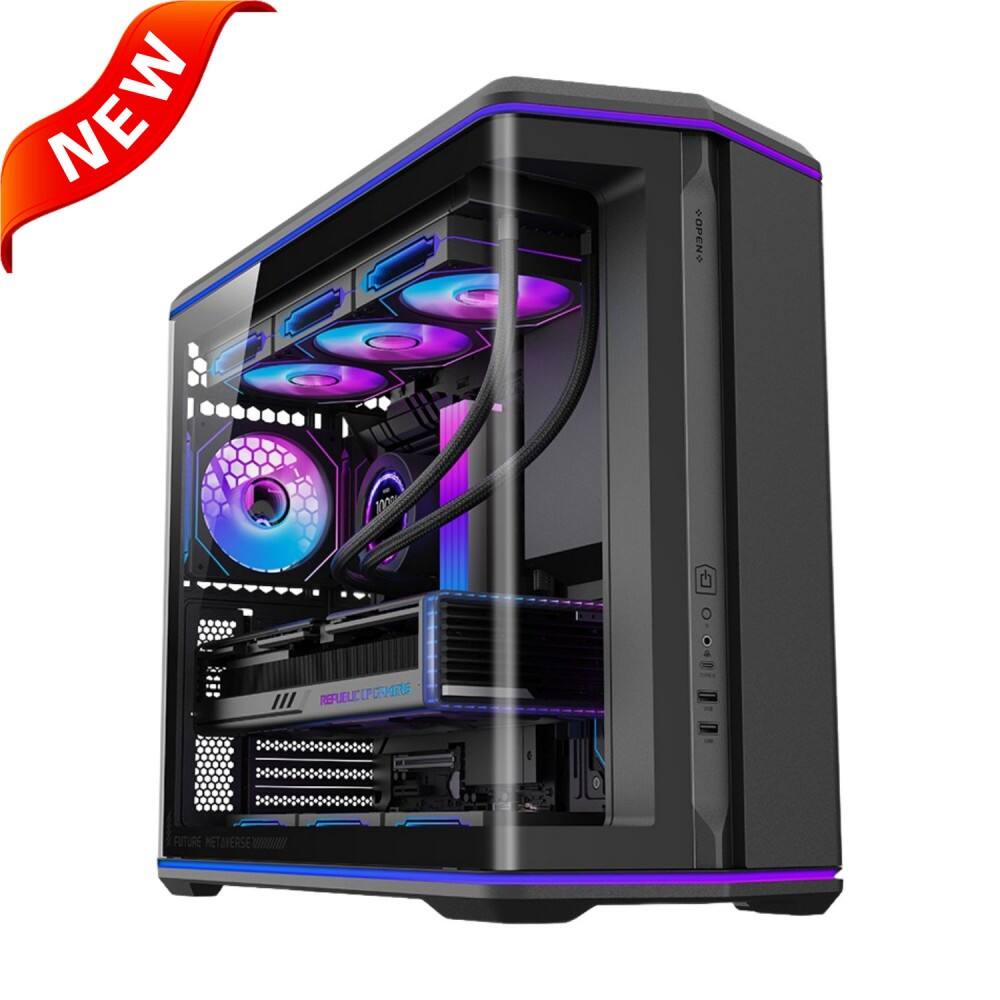
custom liquid cooler
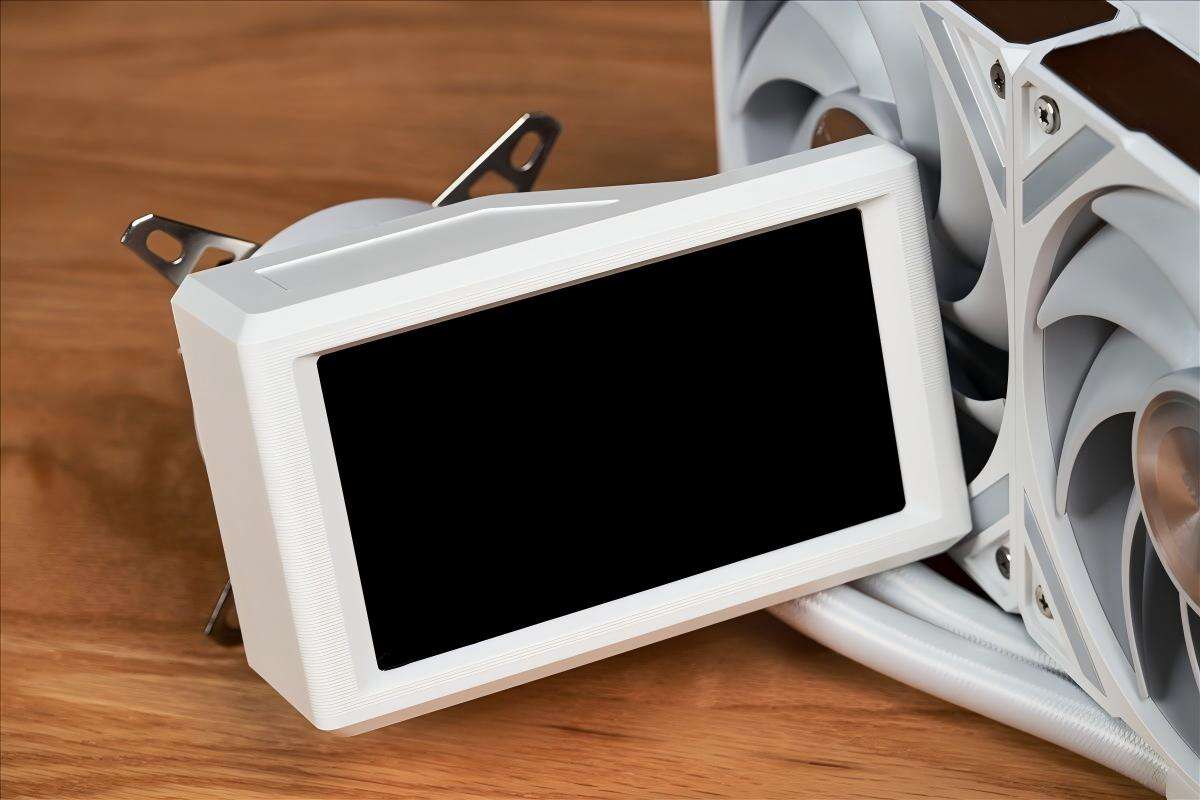
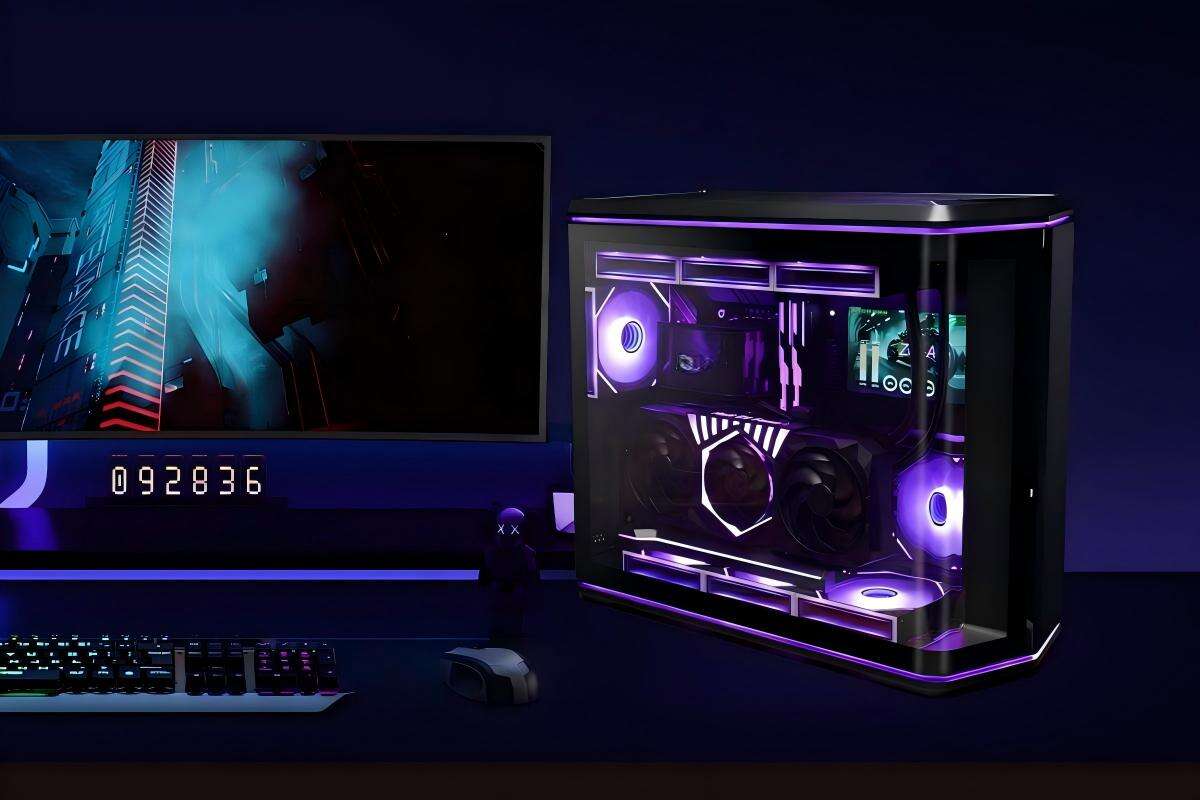
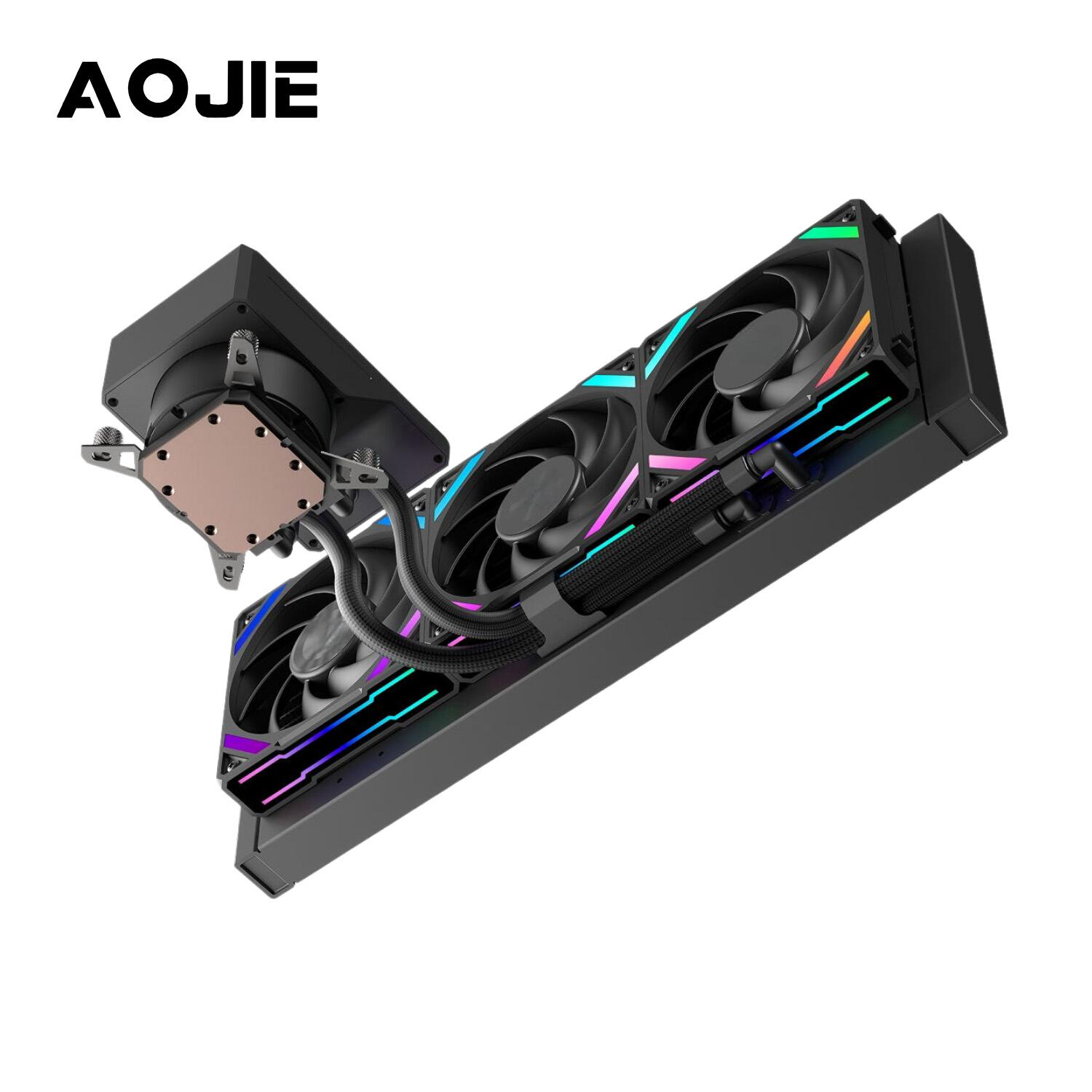
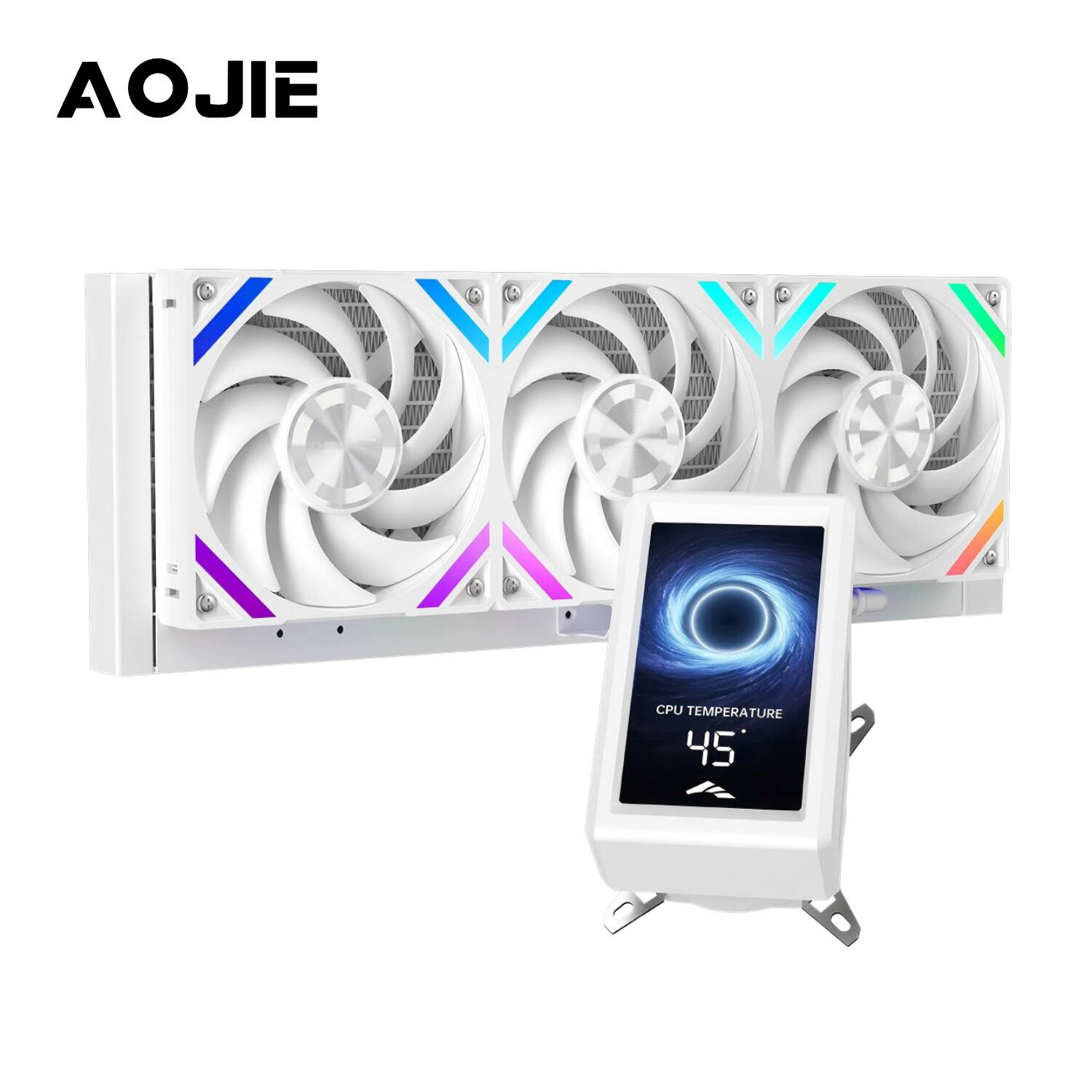
A custom liquid cooler represents a sophisticated thermal management solution designed to maintain optimal temperatures in high-performance computing systems, industrial equipment, and specialized applications. Unlike standard air cooling systems, a custom liquid cooler utilizes a closed-loop circulation system that transfers heat through liquid coolant, providing superior cooling efficiency and temperature control. The system consists of several critical components including a water block, radiator, pump, reservoir, and connecting tubing, all engineered to work in harmony for maximum heat dissipation. The water block serves as the primary heat exchanger, directly contacting the heat source to absorb thermal energy, while the pump circulates the coolant throughout the system. The radiator then dissipates the absorbed heat into the surrounding environment, typically assisted by high-performance fans. Modern custom liquid coolers incorporate advanced materials such as copper or aluminum for optimal thermal conductivity, and feature precision-engineered flow channels that maximize heat transfer efficiency. These systems are particularly valuable in applications where traditional cooling methods prove inadequate, such as high-end gaming computers, workstations, servers, and industrial machinery. The custom aspect allows for tailored solutions that match specific performance requirements, spatial constraints, and aesthetic preferences. Advanced custom liquid cooler systems often include intelligent temperature monitoring, variable pump speeds, and RGB lighting for enhanced user experience. The technology has evolved significantly, incorporating features like leak detection sensors, corrosion-resistant materials, and maintenance-free operation for years of reliable service. Applications extend beyond computer cooling to include laser systems, medical equipment, telecommunications infrastructure, and automotive performance modifications, making the custom liquid cooler an essential component in numerous high-performance thermal management scenarios.
 ×
×

 EN
EN